Cultivating the Crimson Jewels: A Comprehensive Guide to Mountain Pepperberry Plant Care
The Australian landscape, a tapestry of unique flora, offers a treasure trove of culinary delights. Among these, the Mountain Pepperberry ( Tasmannia lanceolata ) stands out, not just for its striking crimson berries but for its distinctive, pungent flavor. With a peppery bite that gives way to a subtle sweetness and hints of eucalyptus, this native shrub has garnered significant attention from chefs and home gardeners alike. However, cultivating this resilient yet particular plant requires understanding its specific needs. This comprehensive guide will delve into the intricacies of Mountain Pepperberry plant care, from selecting the right location to harvesting its prized berries, and will conclude with a selection of mouthwatering recipes to showcase its unique flavor.
Understanding the Mountain Pepperberry: A Botanical Snapshot
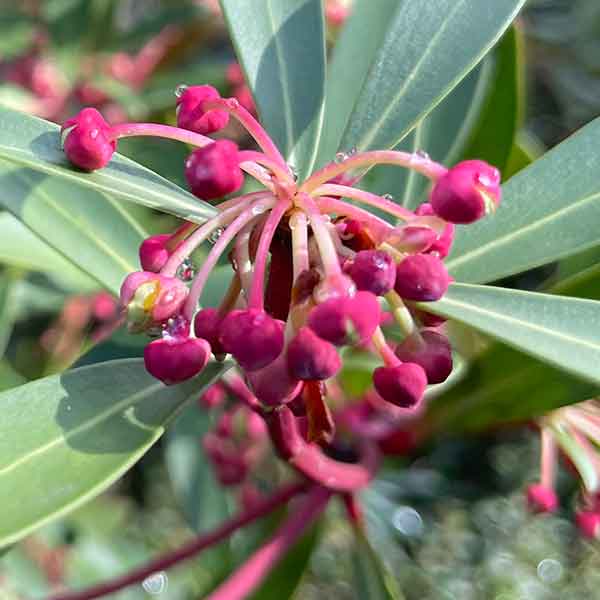
Before we embark on the journey of cultivation, it’s essential to understand the Mountain Pepperberry’s origins and characteristics. Native to the cooler, moist regions of southeastern Australia, including Tasmania and the Australian Alps, Tasmannia lanceolata is an evergreen shrub that can reach heights of up to 3 meters. It thrives in dappled shade or partial sun and prefers well-drained, acidic to neutral soil. The plant is dioecious, meaning it has separate male and female plants. For berry production, a female plant is essential, and ideally, a male plant should be present nearby to ensure pollination. The berries themselves are small, dark red to black drupes, ripening in late summer and autumn. Their flavor profile is intense and complex, offering a spicy, slightly numbing sensation followed by fruity undertones.
Choosing the Right Location: The Foundation of Success
The success of your Mountain Pepperberry plant hinges on selecting the ideal location. Mimicking its natural habitat is key.
- Sunlight: Mountain Pepperberries prefer dappled shade or partial sun. Direct, harsh afternoon sun can scorch their leaves, especially in hotter climates. A location that receives morning sun and afternoon shade is often optimal. If planting in full sun, ensure consistent moisture to mitigate stress.
- Soil: These plants are not overly fussy about soil type, but they perform best in well-drained, acidic to neutral soil. They appreciate a good amount of organic matter. If your soil is heavy clay, amend it with compost or well-rotted manure to improve drainage and aeration. Raised beds are an excellent option for areas with poor drainage.
- Moisture: Consistent moisture is crucial, especially during the establishment phase and during dry spells. While they are relatively drought-tolerant once mature, they will not thrive in waterlogged conditions. Aim for soil that is consistently moist but not soggy.
- Wind Protection: Strong winds can damage the delicate foliage and hinder growth. Planting in a sheltered spot or providing windbreaks can be beneficial.
- Pollination: Remember the dioecious nature of the plant. If you desire berries, you will need at least one female plant and, ideally, a male plant within a reasonable distance (within 10-20 meters) to facilitate pollination. While some female plants can produce a small crop without a male, pollination significantly increases yield and berry size.

Planting Your Mountain Pepperberry: From Pot to Earth
When planting your Mountain Pepperberry, whether it’s a young shrub from a nursery or a propagated cutting, follow these steps:
- Timing: The best time to plant is generally in spring or early autumn when the weather is milder.
- Hole Preparation: Dig a hole that is twice as wide and as deep as the root ball of your plant.
- Soil Amendment: Mix the excavated soil with generous amounts of compost or aged manure to enrich it and improve drainage.
- Placement: Gently remove the plant from its pot. If the roots are tightly bound, loosen them slightly. Place the plant in the center of the hole, ensuring the top of the root ball is level with the surrounding soil.
- Backfilling: Fill the hole with the amended soil, gently firming it around the base of the plant to remove air pockets.
- Watering: Water thoroughly after planting to settle the soil and help the roots establish.
- Mulching: Apply a layer of organic mulch (such as wood chips, straw, or shredded bark) around the base of the plant, keeping it a few centimeters away from the trunk. Mulch helps retain moisture, suppress weeds, and regulate soil temperature.
Ongoing Care: Nurturing Your Pepperberry Plant
Once your Mountain Pepperberry is established, ongoing care is relatively straightforward but crucial for optimal growth and berry production.
- Watering: Water deeply and regularly, especially during dry periods. The frequency will depend on your climate and soil type, but aim to keep the soil consistently moist. Avoid letting the soil dry out completely between waterings.
- Fertilizing: Mountain Pepperberries are not heavy feeders. A light application of a balanced, slow-release organic fertilizer in spring is usually sufficient. Over-fertilizing can lead to excessive leafy growth at the expense of berry production.
- Pruning: Pruning is important for maintaining shape, encouraging bushiness, and improving air circulation.
- Young Plants: Pinch back the tips of young plants to encourage branching and a more compact form.
- Mature Plants: Prune in late winter or early spring before new growth begins. Remove any dead, damaged, or crossing branches. You can also thin out dense growth to improve light penetration and air circulation. Aim for an open, well-shaped shrub. Pruning can also be used to manage the size of the plant.
- Pest and Disease Management: Mountain Pepperberries are generally hardy and resistant to many common pests and diseases. However, keep an eye out for:
- Aphids: These small insects can sometimes infest new growth. A strong spray of water or an insecticidal soap can usually manage them.
- Fungal Diseases: In very damp conditions, fungal issues can arise. Ensuring good air circulation through pruning and avoiding overwatering can help prevent this.
- Slugs and Snails: These can be a problem for young plants. Using slug pellets or natural deterrents can be effective.
Harvesting Your Crimson Jewels: The Sweet Reward
The most exciting part of growing Mountain Pepperberries is harvesting the berries.
- Timing: Berries typically ripen from late summer through autumn, usually between March and May in the Southern Hemisphere. They will turn from green to a deep, glossy red or black when ripe.
- Method: Harvest the berries by gently stripping them from the branches. You can also use secateurs to cut off entire clusters. It’s best to harvest in the morning after the dew has dried.
- Drying: Freshly harvested berries have a potent flavor. For longer storage and a more concentrated taste, they are often dried. Spread the berries in a single layer on a clean tray and dry them in a well-ventilated area out of direct sunlight. Alternatively, you can use a dehydrator on a low setting. Once completely dry, store them in an airtight container in a cool, dark place. Dried pepperberries will keep for several months.
Propagation: Expanding Your Pepperberry Patch
Mountain Pepperberries can be propagated through several methods:
- Cuttings: Semi-hardwood cuttings taken in summer or autumn can be rooted in a well-draining potting mix.
- Seed: While possible, growing from seed can be slow and may result in variable plants. Seeds also require a period of cold stratification.
- Layering: This involves bending a low-hanging branch to the ground and covering a section with soil. Once roots have formed, the layered branch can be severed and planted separately.
Mountain Pepperberry Recipes: Unleashing the Flavor
The unique flavor of Mountain Pepperberry lends itself to a wide range of culinary applications. Its peppery kick, followed by a subtle sweetness and herbaceous notes, can elevate both sweet and savory dishes. Here are a few ideas to get you started:
1. Mountain Pepperberry Infused Olive Oil
- Ingredients:
- 1 cup dried Mountain Pepperberries
- 2 cups good quality extra virgin olive oil
- Instructions:
- Gently crush the dried pepperberries.
- Combine the crushed pepperberries and olive oil in a clean glass jar.
- Seal the jar and let it infuse in a cool, dark place for at least 2-4 weeks, shaking occasionally.
- Strain the oil through a fine-mesh sieve or cheesecloth into a clean bottle.
- Use as a finishing oil for salads, roasted vegetables, grilled meats, or drizzled over dips.
2. Grilled Lamb with Mountain Pepperberry Crust
- Ingredients:
- 1 kg lamb loin or rack
- 2 tablespoons dried Mountain Pepperberries, coarsely ground
- 1 tablespoon fresh rosemary, finely chopped
- 1 clove garlic, minced
- 1 tablespoon olive oil
- Salt and freshly ground black pepper to taste
- Instructions:
- Preheat your grill to medium-high heat.
- In a small bowl, combine the ground pepperberries, rosemary, garlic, olive oil, salt, and pepper.
- Rub the lamb all over with the pepperberry mixture, ensuring an even coating.
- Sear the lamb on all sides for a few minutes until browned.
- Move the lamb to a cooler part of the grill or reduce the heat, and cook to your desired doneness (approximately 15-20 minutes for medium-rare, depending on thickness).
- Let the lamb rest for 10 minutes before slicing and serving.
3. Mountain Pepperberry Chocolate Mousse
- Ingredients:
- 200g good quality dark chocolate (70% cocoa solids), chopped
- 4 large eggs, separated
- 50g caster sugar
- 1 teaspoon dried Mountain Pepperberries, finely ground
- 150ml heavy cream, whipped to soft peaks
- Instructions:
- Melt the dark chocolate gently over a bain-marie or in the microwave in short bursts.
- In a separate bowl, whisk the egg yolks with half the sugar until pale and creamy. Stir in the finely ground pepperberries.
- Gradually fold the melted chocolate into the egg yolk mixture until well combined.
- In a clean bowl, whisk the egg whites until stiff peaks form. Gradually add the remaining sugar and whisk until glossy.
- Gently fold the whipped cream into the chocolate mixture, followed by the whisked egg whites, taking care not to overmix.
- Spoon the mousse into individual serving glasses or a large bowl.
- Chill for at least 2-3 hours, or until set. Garnish with a few fresh or dried pepperberries if desired.
4. Mountain Pepperberry and Lemon Vinaigrette
- Ingredients:
- 2 tablespoons fresh lemon juice
- 1 teaspoon Dijon mustard
- 1 teaspoon dried Mountain Pepperberries, finely ground
- 1/4 cup extra virgin olive oil
- Salt and freshly ground black pepper to taste
- Instructions:
- In a small bowl, whisk together the lemon juice, Dijon mustard, and ground pepperberries.
- Slowly drizzle in the olive oil while whisking continuously until the vinaigrette is emulsified.
- Season with salt and pepper to taste.
- Use on green salads, grain bowls, or as a marinade for chicken or fish.
Conclusion: A Rewarding Cultivation Experience
Cultivating Mountain Pepperberry plants offers a unique and rewarding experience for any gardener. By understanding their specific needs for light, soil, and moisture, and by providing consistent care, you can foster a thriving plant that will not only enhance your garden’s biodiversity but also provide you with a truly exceptional culinary ingredient. From the initial planting to the final harvest and the creation of delicious dishes, the journey of growing Mountain Pepperberry is as rich and complex as its distinctive flavor. So, embrace the challenge, nurture these crimson jewels, and unlock the exciting potential of this extraordinary Australian native.


