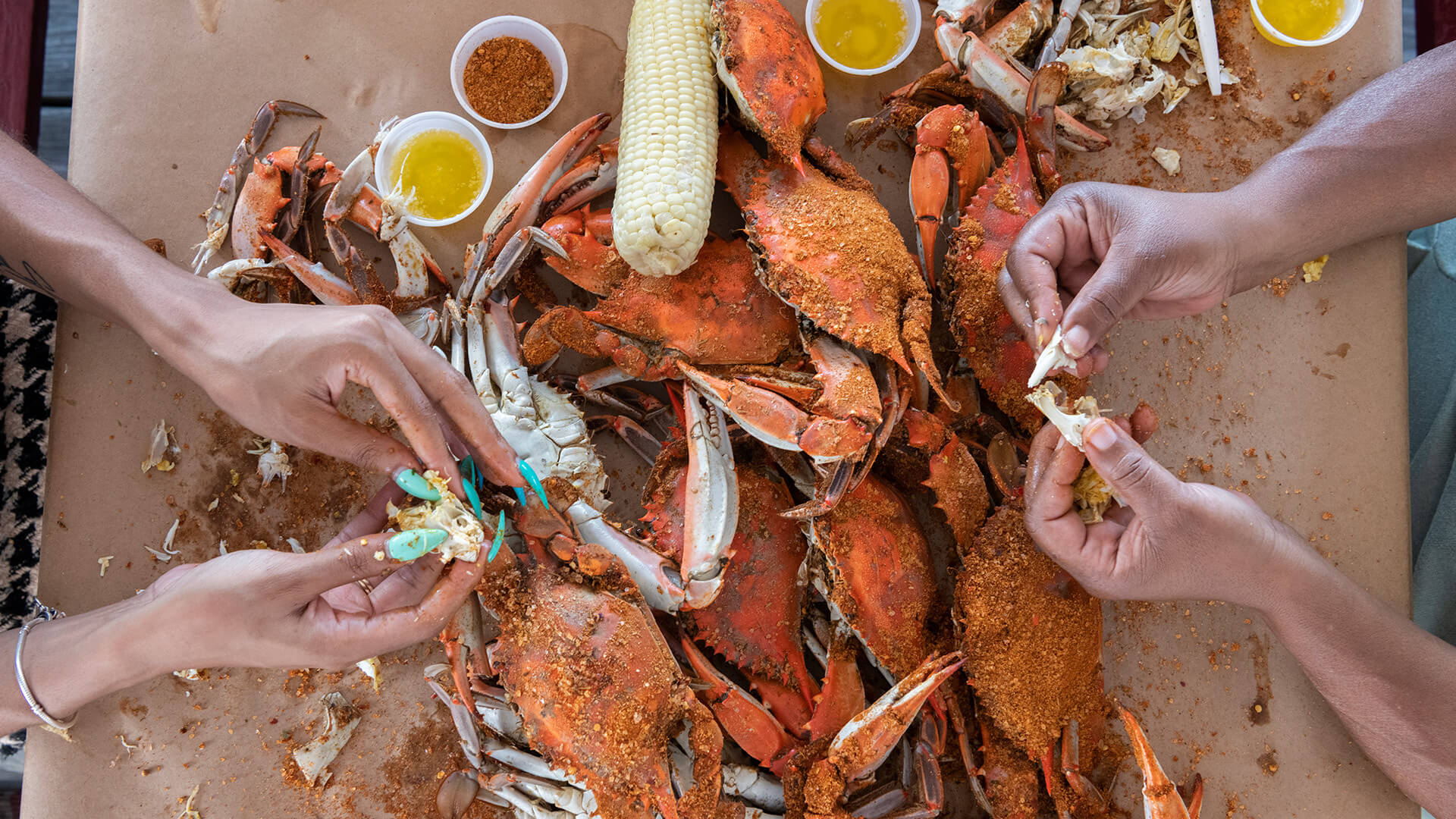
The Ultimate Mud Crab Cracking Guide: Unlocking the Sweet Treasures Within
The mud crab, a formidable crustacean of the mangrove swamps and coastal waters, is a culinary delight renowned for its rich, sweet meat and robust flavor. Often referred to as the "king of crabs," these powerful creatures demand a respectful and skillful approach to unlock their delicious bounty. Whether you’ve just caught your own or purchased them fresh from the market, this comprehensive guide will equip you with the knowledge and techniques to confidently crack open a mud crab and savor every succulent morsel.
Understanding Your Mud Crab: Anatomy and Preparation
Before diving into the cracking process, it’s essential to understand the anatomy of a mud crab and the crucial preparation steps.
Anatomy of a Mud Crab:
- Carapace (Shell): This is the large, dome-shaped top part of the crab, enclosing its vital organs. It’s where much of the "fat" (hepatopancreas) is located, which is highly prized by many for its rich flavor.
- Legs: Mud crabs have four pairs of walking legs and one pair of powerful chelipeds (claws).
- Chelipeds (Claws): These are the most formidable appendages, used for defense and crushing prey. They contain a significant amount of meat.
- Underside (Belly): This is where you’ll find the apron (in females, it’s broad and rounded; in males, it’s narrow and pointed), gills, and mouthparts.
- Gills: These are feathery structures located beneath the carapace. They should be removed as they are not edible.
- Hepatopancreas (Tomally/Fat): This is the greenish-yellow substance found within the carapace, between the meat. It’s a rich, flavorful organ that adds depth to dishes.

Preparation is Key:
-
Killing the Crab Humanely: This is the first and most important step. There are several methods, but the most common and humane involves swift decapitation.
- Method 1 (Decapitation): Place the crab on a stable surface, belly up. Using a sharp, heavy knife, quickly and decisively plunge the tip into the "head" area (where the two large eyes meet) and swiftly cut forward, severing the head from the body. This method is quick and minimizes suffering.
- Method 2 (Chilling): Some chefs recommend chilling the crab in the freezer for 20-30 minutes to numb it before decapitation. This can make the process easier.
-
Cleaning the Crab: Once the crab is deceased, it needs to be cleaned.
- Remove the Carapace: Gently lift the carapace from the body. You can use a knife to help pry it open if it’s stubborn.
- Discard Gills and Innards: Remove the feathery gills from both the carapace and the body. Scrape out any remaining dark innards or digestive tract. Rinse the body and carapace under cold running water to remove any debris.
- Separate the Body: The body can be left whole or cut in half or quarters, depending on your intended cooking method.
The Art of Cracking: Tools and Techniques
Cracking a mud crab requires a bit of force and the right tools. Don’t be intimidated; with practice, you’ll become adept at this rewarding process.
Essential Tools:
- Crab Crackers/Nutcrackers: These are specifically designed to apply pressure and break through the hard shell.
- Mallet (Small or Meat Mallet): A rubber or wooden mallet is excellent for gently but firmly tapping to break the shell.
- Heavy-Duty Kitchen Shears/Poultry Shears: These are invaluable for cutting through legs and joints.
- Sharp Chef’s Knife: For the initial decapitation and for cutting through larger sections.
- Cutting Board: A sturdy, non-slip cutting board is essential for safety.
- Bowl for Shells and Meat: Have separate bowls ready to keep the extracted meat organized and to discard the shells.
Cracking Techniques:
-
The Claws (Chelipeds):
- The Main Joint: This is the thickest part. Place the claw firmly on the cutting board. Use your crab cracker or mallet to apply firm pressure to the thickest part of the joint. You’ll hear a satisfying crack. Repeat until the shell breaks open, revealing the sweet meat inside.
- The Dactyl (Pincer): This smaller part of the claw also contains meat. Crack it similarly to the main joint.
- Using Shears: For stubborn claws, you can also use heavy-duty kitchen shears to cut through the segments.
-
The Legs:
- Segment by Segment: Each leg has several segments. Use your crab cracker or mallet to gently tap and crack each segment. The meat is often found in the larger, thicker segments.
- Using Shears: Kitchen shears are very effective for cutting through the leg joints, making it easier to extract the meat.
-
The Body:
- Quartering: After cleaning, the body can be cut in half or quarters using a sharp chef’s knife.
- Cracking the Sections: The body contains delicious meat within its chambers. Use your crab cracker or mallet to gently tap along the edges and ribs of the body sections. You’ll be able to pry apart the shell to access the meat.
- Scraping: Once the shell is broken, use a small spoon or the tip of your knife to scrape out any remaining meat from the crevices.
Tips for Success:
- Work on a Stable Surface: This prevents the crab from moving and ensures your safety.
- Start Gently: Begin with lighter taps and gradually increase pressure if needed. You don’t want to pulverize the meat.
- Listen for the Crack: A clear cracking sound indicates the shell is breaking.
- Extract Meat Promptly: Once cracked, extract the meat immediately to prevent it from drying out.
- Don’t Waste the Tomalley: The greenish-yellow hepatopancreas is a delicacy. Carefully scoop it out and consider incorporating it into your cooking.
Cooking Your Mud Crab: Simple and Savory Methods
Once your mud crab is cracked and the meat extracted, it’s time to cook it. Mud crab is incredibly versatile and shines with simple preparations that highlight its natural sweetness.
Popular Cooking Methods:
- Steaming: This is perhaps the purest way to enjoy mud crab. Steam the cleaned crab sections (or whole crab) for 10-15 minutes until the shell turns bright red and the meat is opaque. Serve with a dipping sauce.
- Boiling: Similar to steaming, boiling is a straightforward method. Boil the crab in salted water for 10-15 minutes.
- Stir-frying: Crab meat, especially the claw and leg meat, is excellent in stir-fries. Add it towards the end of the cooking process to avoid overcooking.
- Grilling/Broiling: Halved or quartered crabs can be brushed with butter or oil and grilled or broiled until cooked through.
- Soup/Broth: The shells can be used to make a rich and flavorful crab broth, which is the base for many delicious soups.
Delicious Mud Crab Recipes
Here are a few simple and popular recipes to inspire your mud crab culinary journey:
Recipe 1: Steamed Mud Crab with Garlic and Ginger
This classic preparation lets the sweet flavor of the mud crab take center stage.
Yields: 2-4 servings
Prep time: 15 minutes
Cook time: 10-15 minutes
Ingredients:
- 2 live mud crabs, cleaned (see preparation above)
- 4 cloves garlic, minced
- 1-inch piece of ginger, grated
- 2 tablespoons soy sauce
- 1 tablespoon Shaoxing wine (or dry sherry)
- 1 tablespoon sesame oil
- 1/4 cup water or chicken broth
- Fresh cilantro, chopped, for garnish
Instructions:
- Prepare the Crab: Ensure the crabs are thoroughly cleaned and cut into halves or quarters.
- Make the Sauce: In a small bowl, whisk together minced garlic, grated ginger, soy sauce, Shaoxing wine, sesame oil, and water/broth.
- Steam the Crab: Arrange the crab pieces in a steamer basket over a pot of simmering water.
- Add the Sauce: Pour the prepared sauce evenly over the crab pieces.
- Steam: Cover the steamer and steam for 10-15 minutes, or until the crab shells are bright red and the meat is opaque and cooked through.
- Serve: Garnish with fresh cilantro and serve immediately with the steaming juices from the pot.
Recipe 2: Singapore Chili Crab (Simplified)
A globally loved dish, this recipe offers a delicious balance of sweet, savory, and slightly spicy flavors.
Yields: 2-4 servings
Prep time: 20 minutes
Cook time: 15-20 minutes
Ingredients:
- 2 live mud crabs, cleaned and cut into halves or quarters
- 2 tablespoons cooking oil
- 4 cloves garlic, minced
- 1 inch ginger, grated
- 1-2 red chilies, finely chopped (adjust to your spice preference)
- 1/2 cup tomato sauce
- 1/4 cup chili sauce (e.g., Sriracha or sambal oelek)
- 2 tablespoons ketchup
- 1 tablespoon soy sauce
- 1 teaspoon sugar
- 1/2 cup chicken broth or water
- 1 egg, lightly beaten
- 2 tablespoons cornstarch mixed with 4 tablespoons water (for thickening)
- Fresh scallions, chopped, for garnish
Instructions:
- Prepare the Crab: Ensure the crabs are cleaned and cut into manageable pieces.
- Sear the Crab (Optional but recommended): Heat 1 tablespoon of oil in a wok or large skillet over medium-high heat. Briefly sear the crab pieces on both sides until they turn slightly pink. Remove from the wok and set aside.
- Sauté Aromatics: Add the remaining 1 tablespoon of oil to the wok. Add minced garlic, grated ginger, and chopped chilies. Sauté until fragrant, about 1 minute.
- Make the Sauce: Add tomato sauce, chili sauce, ketchup, soy sauce, sugar, and chicken broth/water to the wok. Stir well and bring to a simmer.
- Cook the Crab: Return the seared crab pieces to the wok. Stir to coat them evenly with the sauce. Cover and simmer for 8-10 minutes, or until the crab is cooked through.
- Thicken the Sauce: Stir in the cornstarch slurry gradually, stirring continuously until the sauce thickens to your desired consistency.
- Add Egg: Slowly drizzle in the beaten egg while stirring gently to create ribbons of egg throughout the sauce.
- Serve: Garnish with chopped scallions and serve immediately with steamed rice or mantou (fried buns).
Recipe 3: Crab Cakes with Lemon Aioli
A delightful way to enjoy the sweet crab meat, these crab cakes are crispy on the outside and tender on the inside.
Yields: 6-8 crab cakes
Prep time: 20 minutes
Cook time: 10-12 minutes
Ingredients:
- 1 cup cooked mud crab meat, picked and roughly chopped (from about 1-2 crabs)
- 1/4 cup panko breadcrumbs (plus more for coating)
- 2 tablespoons mayonnaise
- 1 tablespoon Dijon mustard
- 1 tablespoon fresh lemon juice
- 1 tablespoon chopped fresh parsley
- 1/4 teaspoon salt
- 1/4 teaspoon black pepper
- 1 egg, lightly beaten
- 2-3 tablespoons cooking oil (for frying)
For the Lemon Aioli:
- 1/4 cup mayonnaise
- 1 clove garlic, minced
- 1 teaspoon fresh lemon juice
- Pinch of salt
Instructions:
- Prepare the Crab Meat: Ensure all shell fragments are removed from the cooked crab meat. Gently pick through it and roughly chop any large pieces.
- Make the Crab Cake Mixture: In a medium bowl, combine the crab meat, 1/4 cup panko breadcrumbs, 2 tablespoons mayonnaise, Dijon mustard, lemon juice, parsley, salt, and pepper. Gently mix until just combined; avoid overmixing.
- Form the Crab Cakes: Shape the mixture into 6-8 evenly sized patties.
- Coat the Crab Cakes: Place extra panko breadcrumbs on a plate. Gently press each crab cake into the panko, coating both sides.
- Cook the Crab Cakes: Heat the cooking oil in a large skillet over medium-high heat. Carefully place the crab cakes in the hot oil. Cook for 3-5 minutes per side, until golden brown and heated through.
- Make the Lemon Aioli: While the crab cakes are cooking, whisk together all the aioli ingredients in a small bowl.
- Serve: Serve the crab cakes hot with the lemon aioli for dipping.
Cracking a mud crab is more than just a culinary task; it’s an experience. It’s about engaging with the ingredients, appreciating the effort involved, and ultimately, savoring the incredibly sweet and rewarding meat. With this guide, you’re well-equipped to embark on your mud crab cracking adventure. Enjoy the process and the delicious treasures you’ll uncover!


