Certainly, here’s an article about Murnong yam daisy plants for sale, along with recipe listings, written in English and aiming for approximately 1,200 words.
The Murnong: A Resurgent Australian Native for Your Garden and Table
For millennia, the Murnong ( Microseris lanceolata) has held a place of profound cultural and nutritional significance for the Indigenous peoples of southeastern Australia. This humble yet remarkable daisy, often referred to as the yam daisy, is far more than just a native plant; it represents a rich culinary heritage and a resilient food source. Today, a growing movement is bringing the Murnong back into our gardens and kitchens, offering a unique opportunity to connect with Australia’s ancient past and cultivate a truly sustainable food. If you’re seeking to add a distinctive, edible, and historically rich plant to your landscape, then the Murnong yam daisy plant for sale is an opportunity you won’t want to miss.
Understanding the Murnong: A Botanical and Cultural Gem
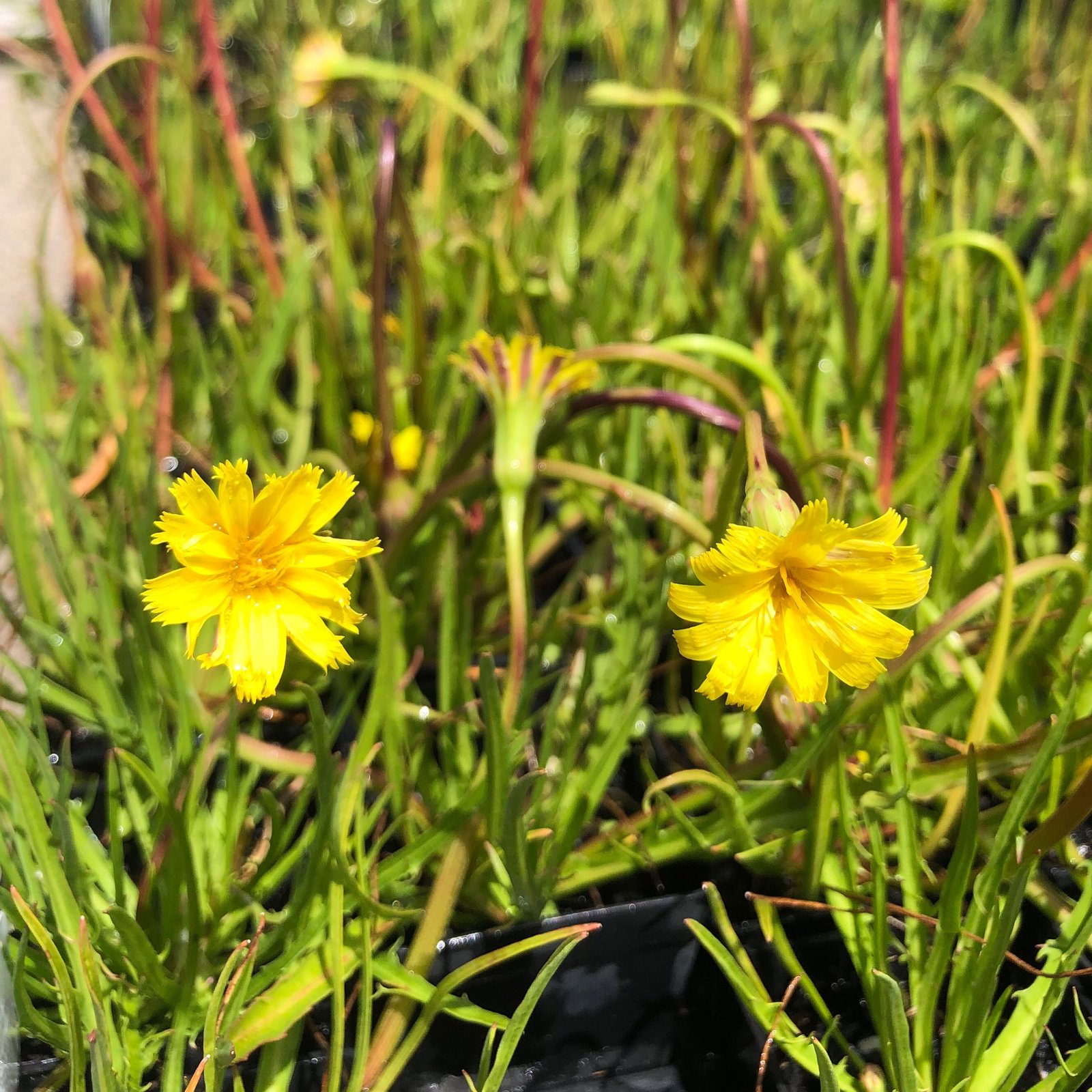
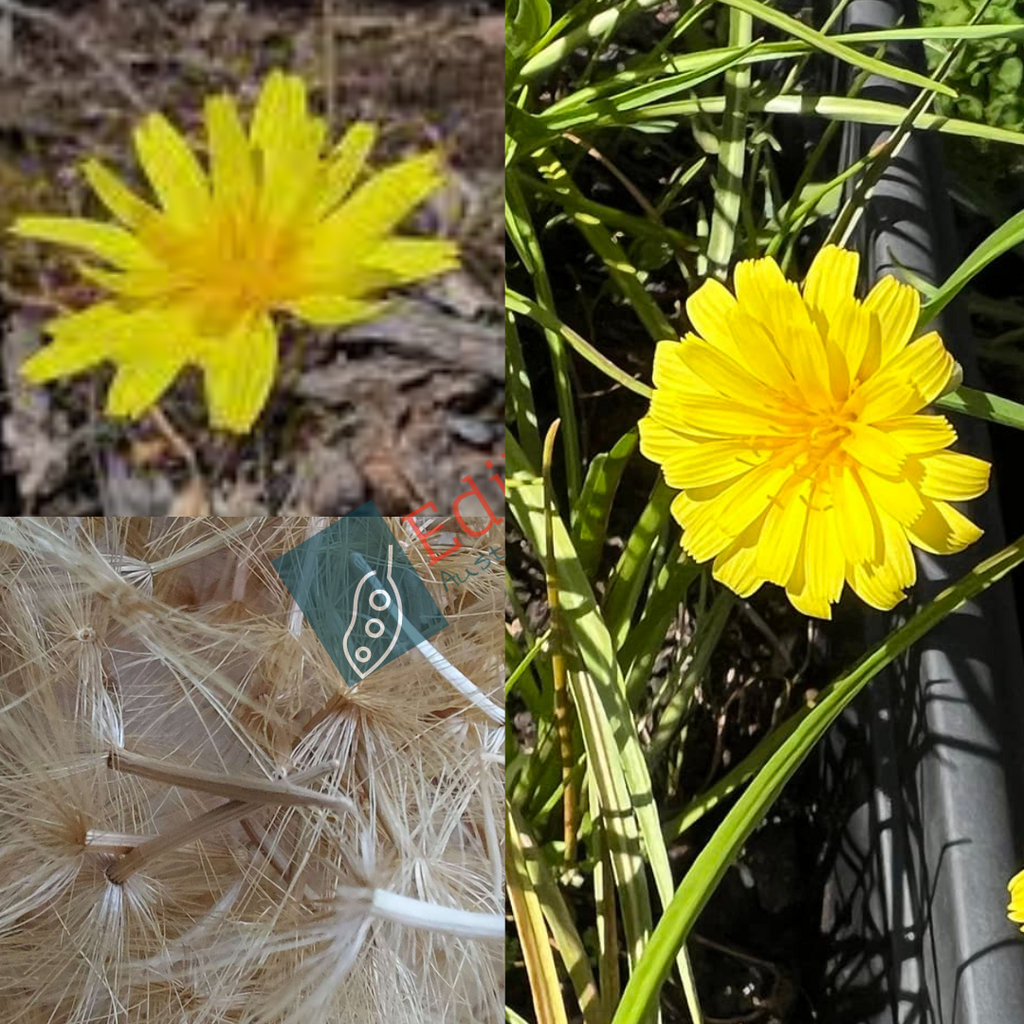
The Murnong is an herbaceous perennial native to a wide swathe of southeastern Australia, from the coastal regions to the inland plains. It’s characterized by its deeply lobed, lance-shaped leaves that emerge from a basal rosette. The plant produces bright yellow, dandelion-like flowers that eventually give way to a distinctive pappus, a feathery structure that aids in seed dispersal.
However, the true treasure of the Murnong lies beneath the soil: its tuberous roots. These tubers are the "yams" that give the plant its common name, and they are the primary reason for its historical importance as a food source. The tubers are typically elongated and can grow to be quite substantial, varying in size and shape depending on the specific variety and growing conditions.
Nutritional Powerhouse and Culinary Versatility:
Historically, the Murnong was a staple food for many Aboriginal language groups. The tubers were harvested, often communally, and prepared in a variety of ways. Their nutritional profile is impressive, offering a good source of carbohydrates, fibre, and essential minerals. They possess a subtly sweet, earthy flavour, often described as a cross between a potato and a parsnip, with a creamy texture when cooked.
The preparation methods were diverse and ingenious. Tubers could be roasted directly in the ashes of a fire, boiled, or baked in earth ovens. They could also be mashed and formed into cakes, or even ground into flour for use in bread-making. The leaves and flowers were also sometimes consumed, though the tubers were the main focus for sustenance.
Ecological Importance and Traditional Management:
The cultivation and harvesting of Murnong were not simply about food acquisition; they were integrated into sophisticated land management practices. Indigenous peoples understood the Murnong’s life cycle and employed techniques such as controlled burning and selective harvesting to ensure the plant’s continued abundance and health. This deep ecological knowledge ensured the sustainability of this vital resource for thousands of years.
Why Grow Murnong? Benefits for Your Garden and Well-being
The resurgence of interest in Murnong is driven by a multitude of compelling reasons, making it an increasingly sought-after plant for home gardeners and those interested in native food systems.
- Edible and Delicious: The most obvious benefit is the ability to grow your own delicious, nutritious food. Imagine harvesting your own Murnong tubers for a unique side dish or incorporating them into your favourite recipes.
- Native and Sustainable: As a native Australian plant, Murnong is perfectly adapted to the local climate and soil conditions. It requires minimal watering once established and is generally resistant to pests and diseases that plague introduced species. This makes it an exceptionally sustainable choice for your garden.
- Low Maintenance: Once planted and established, Murnong is remarkably low-maintenance. It thrives in well-drained soil and prefers a sunny to partly shaded position. Its perennial nature means you can enjoy harvests year after year without replanting.
- Attracts Pollinators: The bright yellow flowers of the Murnong are a magnet for native bees and other beneficial insects, contributing to the biodiversity of your garden ecosystem.
- Historical and Cultural Connection: Growing Murnong offers a tangible way to connect with Australia’s ancient Indigenous heritage. It’s an opportunity to learn about and honour the traditions of the First peoples and to participate in the revival of their food systems.
- Unique Garden Feature: The Murnong’s distinctive foliage and cheerful flowers add a unique aesthetic to any garden. It’s a conversation starter and a beautiful reminder of Australia’s rich botanical history.
- Drought Tolerance: While it benefits from moisture, established Murnong plants are surprisingly drought-tolerant, making them suitable for many Australian climates, especially those prone to dry spells.
Sourcing Murnong Yam Daisy Plants for Sale
As the demand for Murnong grows, so does its availability. You can now find Murnong yam daisy plants for sale from a variety of reputable sources.
- Native Plant Nurseries: Many specialized native plant nurseries across Australia are beginning to stock Murnong. These nurseries are often the best place to find healthy, well-cared-for plants and knowledgeable staff who can offer advice on cultivation.
- Indigenous Land Management Organizations and Social Enterprises: Several Indigenous-led organizations and social enterprises are actively involved in propagating and selling Murnong. Purchasing from these sources directly supports Indigenous communities and their efforts to revive traditional food practices.
- Online Retailers: A growing number of online retailers specializing in native Australian plants also offer Murnong. Ensure you are buying from a trusted vendor with good reviews and clear shipping policies.
- Community Gardens and Seed Banks: Sometimes, community gardens or local seed banks may have Murnong plants or seeds available. These can be excellent resources for connecting with local growers and sharing knowledge.
When purchasing Murnong plants, look for:
- Healthy foliage: The leaves should be vibrant green and free from significant damage or disease.
- A well-developed root system: If possible, gently inspect the root ball to ensure it’s not pot-bound and shows signs of healthy growth.
- Reputable source: Buy from nurseries or organizations known for their commitment to native plants and ethical sourcing.
Cultivating Your Own Murnong: Tips for Success
Growing Murnong is a rewarding experience, and with a little care, you can ensure a bountiful harvest.
1. Site Selection:
- Sunlight: Murnong prefers a sunny to partly shaded position. Full sun will generally result in more vigorous growth and better tuber development.
- Soil: It thrives in well-drained soil. Avoid heavy clay soils that retain too much moisture, as this can lead to root rot. Amending heavy soils with compost and grit can improve drainage. Raised garden beds are also an excellent option.
2. Planting:
- Timing: The best time to plant Murnong is typically in autumn or early spring, allowing the plants to establish their root systems before the heat of summer or the cold of winter.
- Spacing: Space plants about 30-50 cm apart to allow for adequate growth.
- Depth: Plant the tubers or young plants at a depth that ensures the crown (where the leaves emerge) is just at soil level.
3. Watering:
- Establishment: Water regularly during the establishment phase, especially during dry periods.
- Mature Plants: Once established, Murnong is quite drought-tolerant. Water deeply but infrequently, allowing the soil to dry out slightly between waterings. Overwatering is a common cause of failure.
4. Fertilizing:
- Murnong is not a heavy feeder. A light application of compost or a balanced native plant fertilizer in spring is usually sufficient. Avoid fertilizers high in phosphorus, as many native plants are adapted to low-phosphorus soils.
5. Weed Control:
- Keep the area around your Murnong plants free of weeds, especially when they are young. Mulching with organic material can help suppress weeds and retain soil moisture.
6. Harvesting:
- Timing: Murnong tubers are typically ready for harvest in late spring or early summer, after the flowering period has finished and the foliage begins to die back.
- Method: Gently dig around the base of the plant with a fork or spade, being careful not to damage the tubers. Lift the plant carefully to reveal the tubers.
- Sustainability: Harvest responsibly. Leave some tubers in the ground to allow the plant to regenerate for future seasons.
7. Propagation:
- Murnong can be propagated by dividing established tubers or by seed. Division is generally the easiest method for home gardeners.
Culinary Inspiration: Bringing Murnong to Your Table
The subtle, earthy sweetness of Murnong makes it a versatile ingredient in the kitchen. Here are some simple recipe ideas to get you started. Remember, the texture and flavour can be enhanced by cooking methods, similar to how potatoes or parsnips are prepared.
Basic Murnong Preparation:
- Washed and Scrubbed: Thoroughly wash and scrub the harvested tubers to remove any soil. You can peel them if you prefer, but the skin is edible and contains nutrients.
- Cooking: The most common methods are boiling, roasting, or baking.
Recipe Listings:
Here are a few recipe concepts that highlight the potential of Murnong:
1. Roasted Murnong with Native Herbs:
- Ingredients:
- Murnong tubers, scrubbed and cut into bite-sized pieces
- Olive oil or native oil (e.g., eucalyptus oil, used sparingly and safely)
- Salt and pepper to taste
- Fresh native herbs (e.g., lemon myrtle, sea parsley, warrigal greens – finely chopped)
- Instructions:
- Preheat oven to 200°C (400°F).
- Toss Murnong pieces with olive oil, salt, and pepper.
- Spread in a single layer on a baking tray.
- Roast for 25-40 minutes, or until tender and slightly caramelized, turning occasionally.
- Toss with fresh native herbs before serving.
2. Creamy Murnong Mash:
- Ingredients:
- Murnong tubers, peeled (optional) and cubed
- Milk or plant-based milk
- Butter or native nut oil
- Salt and pepper to taste
- A pinch of nutmeg or native spice (e.g., ground quandong)
- Instructions:
- Boil Murnong cubes in salted water until very tender.
- Drain well.
- Mash the Murnong with milk, butter (or oil), salt, pepper, and nutmeg (or spice) until smooth and creamy. Add more liquid if needed to reach desired consistency.
3. Murnong and Bush Tomato Stew:
- Ingredients:
- Murnong tubers, peeled and cubed
- Onion, chopped
- Garlic, minced
- Diced tomatoes (fresh or canned)
- Bush tomatoes (dried or fresh, if available)
- Vegetable broth
- Native herbs (e.g., anise myrtle, pepperberry)
- Salt and pepper to taste
- Olive oil
- Instructions:
- Heat olive oil in a pot or Dutch oven. Sauté onion and garlic until softened.
- Add Murnong cubes, diced tomatoes, bush tomatoes, and vegetable broth.
- Bring to a simmer, add native herbs, salt, and pepper.
- Cover and cook for 30-45 minutes, or until Murnong is tender and the stew has thickened.
4. Murnong Cakes (Inspired by Traditional Methods):
- Ingredients:
- Cooked and mashed Murnong tubers
- A small amount of native flour (e.g., wattle seed flour) or regular flour (optional, for binding)
- A pinch of salt
- A little water or milk (if needed for binding)
- Native oil or animal fat for frying
- Instructions:
- Ensure mashed Murnong is relatively dry.
- Mix in flour (if using) and salt. Add a tiny bit of liquid if the mixture is too dry to hold together.
- Form into small, flat cakes.
- Heat native oil or fat in a pan over medium heat.
- Fry the Murnong cakes for a few minutes on each side until golden brown and heated through.
Important Culinary Note: As with any new food, it’s always advisable to start with a small portion to ensure you don’t have any adverse reactions.
The Future of Murnong: Cultivation and Conservation
The increasing availability of Murnong yam daisy plants for sale is a positive sign for the plant’s future. It signifies a growing appreciation for Australia’s native food potential and a commitment to reviving traditional food systems. By choosing to grow Murnong, you are not just adding a unique plant to your garden; you are participating in a movement that values sustainability, cultural heritage, and delicious, healthy food.
Whether you’re a seasoned gardener or a curious novice, the Murnong offers a rewarding and deeply meaningful experience. Embrace the opportunity to connect with the land, honour ancient traditions, and enjoy the unique flavours of this extraordinary Australian native. The Murnong is more than just a plant; it’s a living link to the past and a promise for a more sustainable culinary future.


