A Taste of the Ancient: Unveiling the Richness of Native Australian Food Resources
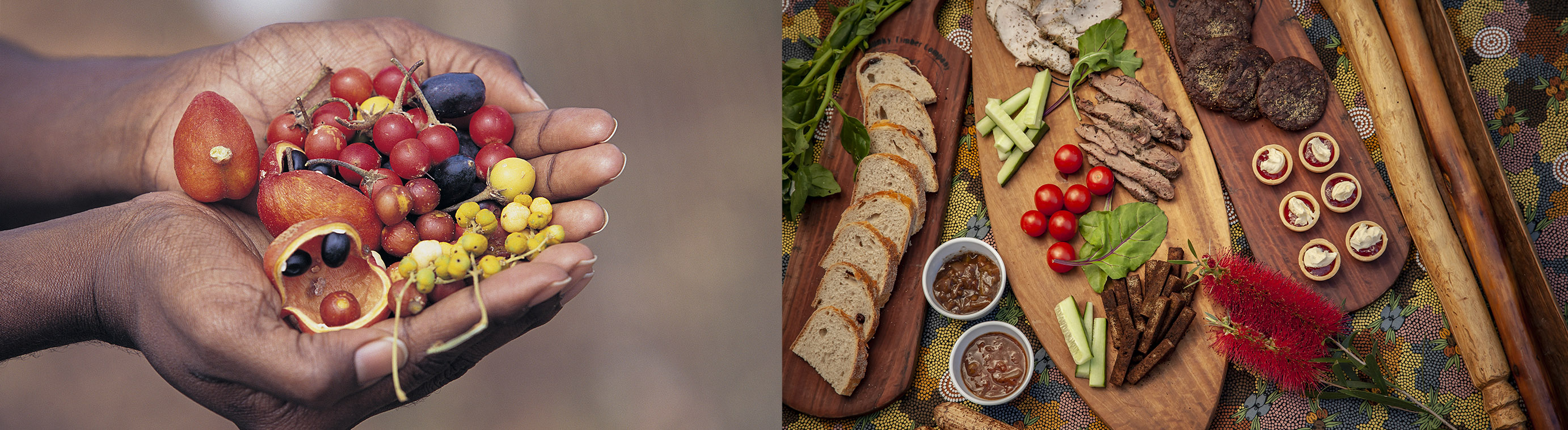
For millennia, the vast and diverse landscapes of Australia have provided sustenance for its Indigenous peoples. Long before the arrival of European settlers, Aboriginal and Torres Strait Islander communities cultivated a deep understanding of their environment, identifying and utilizing a breathtaking array of native plants and animals for food. This rich heritage of Indigenous food knowledge, often referred to as "bush tucker," represents a sustainable, nutritious, and culturally significant culinary tradition that is experiencing a renaissance today.
The sheer biodiversity of Australia offers an unparalleled pantry of native ingredients. From the arid Outback to the lush rainforests, the coastal waters to the temperate woodlands, each region boasts its own unique edible resources. This traditional knowledge, passed down through generations, encompasses not only the identification of edible species but also the understanding of their seasonality, preparation methods, and medicinal properties.
A Deep Dive into Native Australian Food Resources:

The realm of native Australian foods is vast and can be broadly categorized into plants and animals.
Native Flora: A Bounty of the Land
The plant kingdom provides an extraordinary diversity of edible resources, often with surprising nutritional profiles and unique flavours.
-
Bush Fruits and Berries: These are perhaps the most widely recognized category. Think of the vibrant Quandong, a tart, apricot-like fruit that thrives in arid regions and is rich in Vitamin C. The Finger Lime, often called "citrus caviar," offers tiny, bursting vesicles with a zesty lime flavour, perfect for seafood and desserts. The Kakadu Plum holds the title for the highest known natural source of Vitamin C in the world, possessing a tart, slightly astringent taste. Other notable fruits include the Davidson Plum, with its intense, sour flavour, and the Lilly Pilly, offering sweet, cranberry-like berries.
-

Nuts and Seeds: Australia’s native trees and shrubs yield a variety of nutritious nuts and seeds. The Bunya Nut, from the Bunya Pine, is a large, starchy nut with a flavour akin to chestnuts, often roasted or ground into flour. Wattleseed, derived from various Acacia species, is a highly versatile ingredient, possessing a rich, coffee-like aroma and flavour, perfect for baking, thickening sauces, and even as a coffee substitute. Macadamia Nuts, now a global commodity, are native to the rainforests of Queensland and Northern New South Wales, prized for their creamy texture and buttery flavour.
-
Vegetables and Roots: The ground beneath our feet offers a wealth of edible roots and tubers. The Yam Daisy (Murnong) was a staple food for many Aboriginal groups, its starchy tubers providing essential carbohydrates. The Warrigal Greens (Native Spinach) are a nutrient-rich leafy green, a valuable source of vitamins and minerals, particularly in drier areas. Water Chestnuts and Water Ribbons are aquatic plants that provide crisp, edible rhizomes and stalks. Many types of Ferns also offer edible fiddleheads and rhizomes, prepared through various cooking methods to remove any bitterness.
-
Herbs and Spices: Beyond their culinary applications, many native plants were used for medicinal purposes, with their flavours also enhancing meals. Lemon Myrtle is a highly aromatic herb with a strong lemon scent and flavour, used in both sweet and savoury dishes, as well as for teas. Aniseed Myrtle offers a sweet, liquorice-like flavour, while Pepperberry provides a pungent, spicy kick with a lingering heat. Saltbush leaves, as the name suggests, have a naturally salty flavour and are a good source of minerals.
Native Fauna: Sustaining the Indigenous Diet
The animal kingdom has always played a crucial role in the Indigenous Australian diet, with a focus on sustainable hunting and fishing practices.
-
Seafood: The extensive coastlines and freshwater systems provide an abundance of seafood. Barramundi, a prized fish known for its firm, white flesh, is a staple in many coastal communities. Oysters, Mussels, Clams, and other shellfish were readily harvested. Eels were a significant food source in river systems, particularly in the south. Dugongs and Sea Turtles were traditionally hunted in coastal and island communities, providing rich sources of protein and fat.
-
Game Meats: The Australian continent is home to unique marsupials and other animals that were traditionally hunted. Kangaroo and Wallaby are lean, red meats with a flavour often described as slightly gamey. Emu, the largest bird in Australia, provides lean, dark meat. Various Reptiles, such as goannas and snakes, were also consumed, with their meat often described as chicken-like. Possums and Bilbies were also part of the traditional diet.
-
Insects: While perhaps less appealing to modern palates, insects have historically been a vital and highly nutritious food source for Indigenous Australians. Witchetty Grubs, the larvae of a moth, are rich in protein and fat, often eaten raw or roasted. Honey Ants, which store honey in their abdomens, are a sweet delicacy. Green Ants are also consumed for their tart, citrusy flavour.
The Renaissance of Native Australian Cuisine:
In recent decades, there has been a growing interest and appreciation for native Australian foods. This resurgence is driven by several factors:
- Cultural Revitalization: Indigenous communities are actively working to preserve and promote their traditional food knowledge and practices. This includes educating younger generations and sharing their heritage with the wider community.
- Culinary Innovation: Renowned Australian chefs are increasingly incorporating native ingredients into their menus, creating exciting and innovative dishes that showcase the unique flavours and textures of bush tucker. This has brought these ingredients to the forefront of the Australian culinary scene.
- Health and Sustainability: Native Australian foods are often highly nutritious, rich in vitamins, minerals, and antioxidants. Furthermore, their cultivation and harvesting are often inherently sustainable, aligning with a growing global demand for environmentally conscious food choices.
- Biodiversity and Unique Flavours: The distinctiveness of native ingredients offers a unique selling point for restaurants and food producers, providing consumers with exciting new taste experiences.
Challenges and Opportunities:
Despite the growing interest, challenges remain. The availability of some native ingredients can be seasonal and localized, and their commercial cultivation is still developing. However, these challenges also present opportunities for research, innovation, and the development of new industries. Education and awareness are crucial to ensure the long-term survival and appreciation of this invaluable culinary heritage.
Conclusion:
Native Australian food resources represent a profound connection to the land, a testament to millennia of ecological wisdom, and a vibrant, evolving culinary tradition. As we explore the flavours of "bush tucker," we not only discover delicious and nutritious ingredients but also gain a deeper understanding of Australia’s ancient past and its potential for a sustainable culinary future. Embracing these native foods is an invitation to taste the very essence of the Australian continent.
Possible Native Australian Recipe Ideas (Illustrative):
It’s important to note that traditional preparation methods are diverse and often depend on the specific ingredients and regional practices. These are simplified suggestions for modern adaptation.
1. Wattleseed Crusted Kangaroo Loin with Davidson Plum Glaze
- Description: A lean and flavourful kangaroo loin coated in a nutty wattleseed crust, served with a tangy and sweet Davidson plum glaze.
- Key Native Ingredients: Kangaroo, Wattleseed, Davidson Plum.
- Possible Method:
- Marinate kangaroo loin in native herbs (e.g., lemon myrtle).
- Toast wattleseed and grind coarsely. Coat the marinated kangaroo loin in the wattleseed.
- Sear the kangaroo loin in a hot pan until medium-rare. Rest.
- Simmer Davidson plums with a little sugar and water to create a thick glaze.
- Slice the kangaroo and serve with the Davidson plum glaze.
2. Pan-Seared Barramundi with Lemon Myrtle and Warrigal Greens
- Description: Flaky barramundi fillets infused with the bright citrus notes of lemon myrtle, served alongside wilted, slightly salty Warrigal Greens.
- Key Native Ingredients: Barramundi, Lemon Myrtle, Warrigal Greens.
- Possible Method:
- Season barramundi fillets. Lightly bruise lemon myrtle leaves and place them on top of the fish.
- Pan-sear the barramundi until cooked through and the skin is crispy.
- Sauté Warrigal Greens in a little olive oil until just wilted.
- Serve the barramundi over the Warrigal Greens, drizzled with a little lemon juice.
3. Quandong and Macadamia Nut Tartlets
- Description: Sweet and slightly tart quandong filling nestled in a buttery crust, studded with crunchy macadamia nuts.
- Key Native Ingredients: Quandong, Macadamia Nuts.
- Possible Method:
- Prepare a sweet pastry crust and line mini tartlet tins. Blind bake.
- Simmer dried or fresh quandongs with a little sugar and water until softened.
- Roughly chop macadamia nuts.
- Fill the baked tartlet shells with the quandong mixture and sprinkle with chopped macadamia nuts.
- Bake until the filling is set and the nuts are golden.
4. Bush Tomato and Native Herb Stew
- Description: A hearty and aromatic stew featuring the earthy flavours of bush tomatoes (a variety of native tomatoes or related species) and a blend of native herbs.
- Key Native Ingredients: Bush Tomato (or substitute with sun-dried tomatoes with a pinch of native spice), Native Herbs (e.g., saltbush, pepperberry, aniseed myrtle).
- Possible Method:
- Sauté onions, garlic, and native herbs.
- Add diced bush tomatoes (or sun-dried tomatoes), native spices (like pepperberry), and vegetable stock.
- Simmer until the tomatoes have broken down and the stew has thickened.
- Can be served with native grains or as a standalone dish.
5. Finger Lime and Native Mint Cooler
- Description: A refreshing and zesty drink featuring the bursting citrus pearls of finger limes and the cool aroma of native mint.
- Key Native Ingredients: Finger Lime, Native Mint (e.g., River Mint, Peppermint Gum leaves).
- Possible Method:
- Muddle native mint leaves in a glass.
- Add finger lime pulp.
- Top with sparkling water or lemonade.
- Garnish with a sprig of mint.
These recipe ideas are starting points. The beauty of native Australian ingredients lies in their versatility and the endless possibilities for culinary exploration. It’s always recommended to research specific ingredients and their traditional uses for the most authentic and flavourful results.


