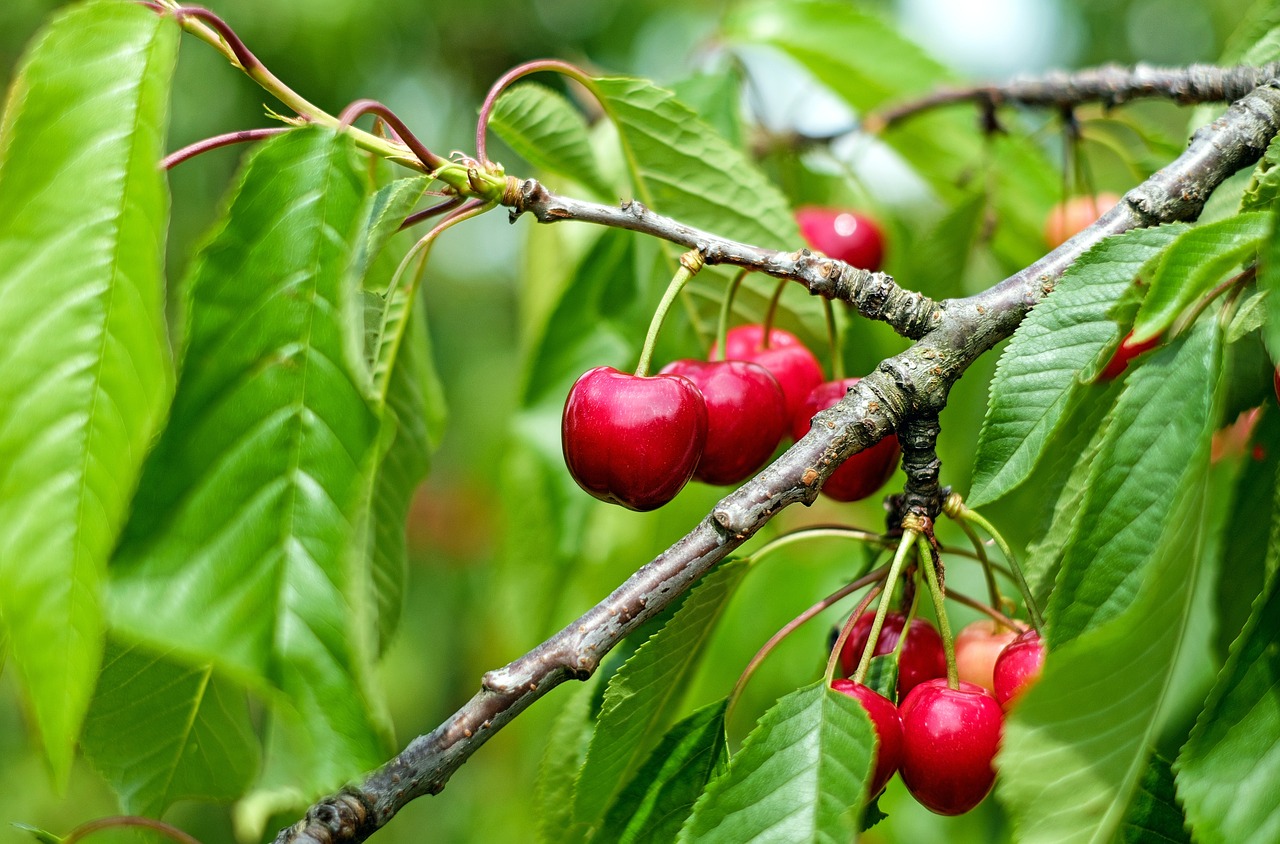
The Sweet Rewards of Native Cherry Tree Care: A Guide to Thriving in Your Backyard
The sight of a native cherry tree in bloom is a quintessential symbol of spring’s arrival. Their delicate white or pink blossoms herald warmer days, attracting pollinators and painting landscapes with ephemeral beauty. Beyond their aesthetic appeal, these trees offer the sweet, juicy reward of homegrown cherries, a delight for both the palate and the soul. Cultivating a native cherry tree is a rewarding endeavor, but it requires understanding and attentive care to ensure its health, productivity, and longevity. This comprehensive guide will delve into the essential aspects of native cherry tree care, from selection and planting to ongoing maintenance and pest management.
Choosing the Right Native Cherry Tree:
The first step to successful cherry tree ownership is selecting the right variety for your specific climate and needs. "Native" refers to cherry species that naturally occur in your region, offering better adaptation to local conditions, pest resistance, and support for indigenous wildlife. Common native cherry species in North America include:

- Black Cherry (Prunus serotina): A large, fast-growing tree that produces small, edible, but often bitter, dark purple cherries. Primarily grown for its timber and wildlife value, but the fruit can be used for jams and jellies.
- Pin Cherry (Prunus pensylvanica): A smaller, often shrub-like tree with bright red, tart cherries. Excellent for attracting birds and used in jellies and sauces.
- Chokecherry (Prunus virginiana): A multi-stemmed shrub or small tree producing tart, astringent red to dark purple cherries. Best for processing into jams, syrups, and wines.
- Sand Cherry (Prunus pumila): A low-growing shrub that produces small, sweet, purplish-black cherries. Ideal for hedges and wildlife attractors.
When choosing, consider:
- Climate Zone: Ensure the variety is hardy in your USDA Plant Hardiness Zone.
- Sunlight: Most cherry trees require at least six to eight hours of direct sunlight daily.
- Soil Drainage: Cherries thrive in well-draining soil. Avoid areas prone to waterlogging.
- Pollination: Many cherry varieties are self-unfruitful, meaning they require a second, compatible cherry tree of a different variety nearby for fruit production. Research pollination needs for your chosen species.
- Purpose: Are you growing for fruit, ornamental beauty, or wildlife support?
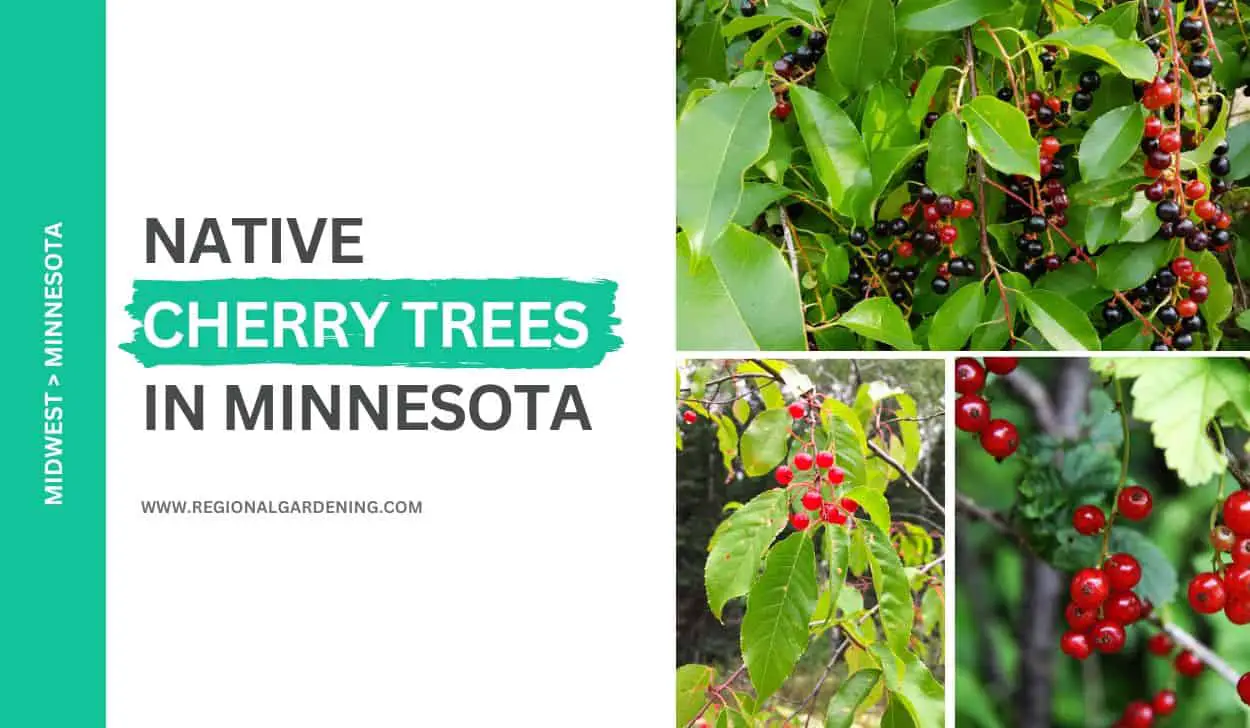
Planting Your Native Cherry Tree:
Proper planting is crucial for establishing a healthy root system and setting your tree up for success.
- Timing: The best time to plant is during the dormant season, typically late fall or early spring, before new growth begins.
- Site Preparation: Choose a sunny location with excellent drainage. Dig a hole that is at least twice as wide as the tree’s root ball and as deep as the root ball. This allows roots to spread easily.
- Root Ball: Gently loosen any circling roots on the root ball. If the tree is container-grown, carefully remove it from the pot. If it’s bare-root, inspect the roots and prune any damaged ones.
- Placement: Place the tree in the hole so that the top of the root ball is level with or slightly above the surrounding soil. Avoid planting too deep, as this can lead to root rot.
- Backfilling: Fill the hole with the original soil, breaking up any large clumps. Water thoroughly to settle the soil and eliminate air pockets.
- Mulching: Apply a 2-3 inch layer of organic mulch (wood chips, compost) around the base of the tree, keeping it a few inches away from the trunk. Mulch conserves moisture, suppresses weeds, and regulates soil temperature.
- Watering: Water deeply and regularly, especially during the first year, to encourage strong root development.
Ongoing Care for a Thriving Tree:
Once planted, consistent care is key to a healthy and productive cherry tree.
- Watering: While established trees are relatively drought-tolerant, consistent moisture is essential, particularly during dry spells and fruit development. Water deeply at the base of the tree, allowing the soil to dry out slightly between waterings. Avoid overhead watering, which can promote fungal diseases.
- Fertilizing: Native cherry trees generally do not require heavy fertilization. A light application of a balanced, slow-release fertilizer in early spring can be beneficial, especially for young trees. Avoid over-fertilizing, which can lead to excessive leafy growth at the expense of fruit production. A soil test can help determine specific nutrient needs.
- Pruning: Pruning is vital for shaping the tree, improving air circulation, removing dead or diseased branches, and encouraging fruit production.
- Young Trees: Focus on establishing a strong central leader and well-spaced scaffold branches. Remove any competing leaders or branches that grow inward.
- Mature Trees: Prune in late winter or early spring, before bud break. Remove any dead, diseased, or damaged branches. Thin out crowded branches to improve light penetration and air circulation. Aim for an open, vase-like structure.
- Summer Pruning: Light pinching back of new shoots in summer can help control growth and encourage fruit bud formation.
- Pest and Disease Management: Native cherry trees are generally more resistant to pests and diseases than their cultivated counterparts, but they are not immune. Vigilance and early intervention are key.
- Common Pests: Aphids, borers, cherry fruit flies, and various caterpillars can affect cherry trees.
- Common Diseases: Brown rot, powdery mildew, and leaf spot are prevalent fungal diseases.
- Integrated Pest Management (IPM): This approach emphasizes prevention and uses a combination of methods:
- Sanitation: Remove fallen leaves and fruit to reduce overwintering sites for pests and diseases.
- Observation: Regularly inspect your tree for signs of infestation or disease.
- Beneficial Insects: Encourage natural predators like ladybugs and lacewings.
- Physical Barriers: Use netting to protect ripening fruit from birds and insects.
- Pruning: Proper pruning improves air circulation, reducing the risk of fungal diseases.
- Organic Sprays: Use insecticidal soaps, neem oil, or horticultural oils as a last resort for severe infestations, following label instructions carefully. Avoid broad-spectrum pesticides that can harm beneficial insects.
- Resistant Varieties: When purchasing, inquire about varieties known for their disease resistance.
- Weed Control: Keep the area around the base of your tree free of weeds, which compete for water and nutrients. Mulching is an excellent way to suppress weeds.
- Protection from Wildlife: Birds are notorious for their love of cherries. Netting ripening fruit is the most effective way to protect your harvest. Deer can also damage young trees by browsing on branches. Fencing or tree guards may be necessary in deer-prone areas.
Harvesting Your Cherries:
The most rewarding part of caring for a native cherry tree is harvesting the fruit.
- Ripeness: Cherries are typically ready to harvest when they are fully colored and slightly soft to the touch. Taste a few to determine peak ripeness and sweetness.
- Harvesting Technique: Gently pull or snip the cherries from the stem, avoiding tearing the branch. It’s best to harvest on a dry day to prevent bruising and spoilage.
- Frequency: Cherries ripen over a period of a few weeks, so plan for multiple harvesting sessions.
Recipes for Your Native Cherry Harvest:
Native cherries, especially tart varieties, are incredibly versatile in the kitchen. Here are a few ideas:
1. Simple Native Cherry Jam:
This recipe highlights the tartness of native cherries, balanced with sugar.
Ingredients:
- 4 cups fresh native cherries, pitted and roughly chopped
- 2 cups granulated sugar (adjust to taste)
- 1/4 cup lemon juice
- 1 tablespoon pectin (optional, for a firmer set)
Instructions:
- Combine chopped cherries, sugar, and lemon juice in a large, heavy-bottomed pot.
- If using pectin, stir it in according to package directions.
- Bring the mixture to a boil over medium-high heat, stirring constantly.
- Reduce heat and simmer for 20-30 minutes, or until the jam thickens. Stir frequently to prevent scorching.
- Test for set by placing a small amount on a chilled plate; it should wrinkle when pushed.
- Ladle the hot jam into sterilized jars, leaving 1/4 inch headspace.
- Wipe rims clean, secure lids, and process in a boiling water bath for 10 minutes.
- Let cool completely before storing.
2. Native Cherry Sauce/Compote:
Perfect for topping pancakes, yogurt, or ice cream.
Ingredients:
- 2 cups fresh native cherries, pitted
- 1/4 cup water or fruit juice (cherry, apple, or orange)
- 2-4 tablespoons sugar or maple syrup (to taste)
- 1 teaspoon cornstarch mixed with 2 teaspoons cold water (optional, for thickening)
- Pinch of cinnamon or nutmeg (optional)
Instructions:
- Combine cherries, water/juice, and sweetener in a saucepan.
- Bring to a simmer over medium heat.
- Cook for 5-10 minutes, until cherries begin to soften and release their juices.
- If desired, stir in the cornstarch slurry and cook, stirring constantly, until thickened.
- Add spices if using.
- Serve warm or chilled.
3. Tart Cherry Cobbler Topping:
A rustic and delicious way to enjoy your harvest.
Ingredients:
- 3 cups fresh native cherries, pitted
- 1/4 cup sugar (adjust to taste)
- 1 tablespoon all-purpose flour or cornstarch
- 1/2 teaspoon lemon zest (optional)
- 1/2 teaspoon ground cinnamon
Instructions:
- In a bowl, gently toss pitted cherries with sugar, flour/cornstarch, lemon zest (if using), and cinnamon.
- Pour the cherry mixture into a greased baking dish.
- Top with your favorite cobbler topping (biscuit dough, crumble topping, etc.) and bake according to the topping recipe’s instructions.
Conclusion:
Caring for a native cherry tree is a journey of patience, observation, and rewarding results. By understanding their needs, providing proper planting and ongoing care, and employing integrated pest management strategies, you can cultivate a thriving tree that not only graces your landscape with beauty but also generously yields the sweet, delicious fruits of your labor. The satisfaction of harvesting and enjoying your own native cherries is a testament to the enduring connection between us and the natural world, a connection nurtured with every bloom and every ripe, juicy fruit.


