
The Native Currant Bush: A Flavorful and Versatile Addition to Your Garden
Native currant bushes, also known as Ribes sanguineum, are a delightful and rewarding addition to any garden. These beautiful shrubs are native to western North America, thriving in a variety of climates and soil types. With their stunning spring blooms and edible berries, native currant bushes offer both ornamental appeal and culinary delights.
A Burst of Spring Color
One of the most striking features of the native currant bush is its vibrant spring blossoms. In early to mid-spring, the plant produces pendulous clusters of bright pink to deep red flowers, which are a magnet for hummingbirds and other pollinators. The flowers are not only visually appealing but also emit a sweet, musky fragrance, adding another sensory dimension to your garden. The flowering period can last for several weeks, providing a welcome splash of color after the long winter months.
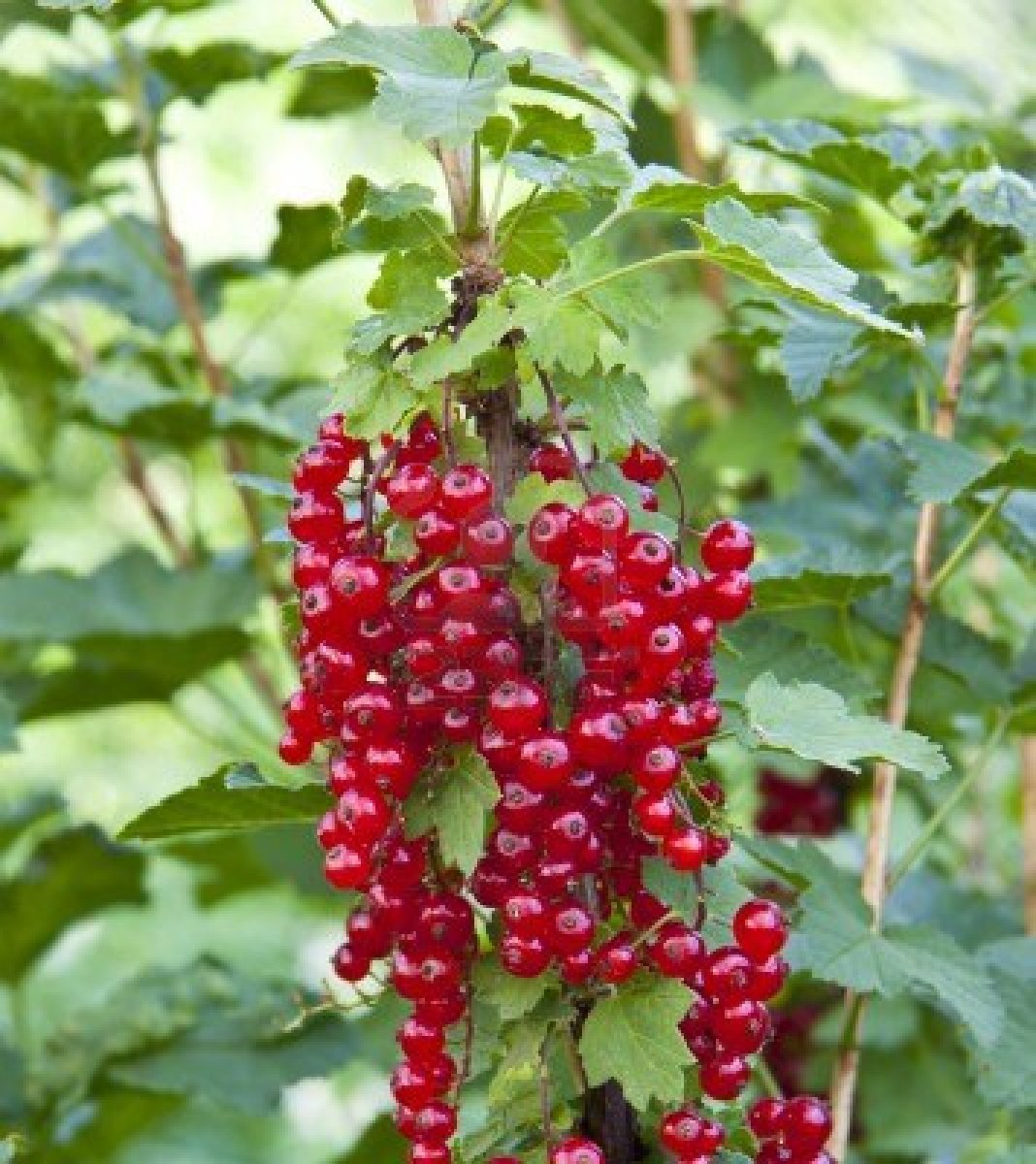
Edible Delights: The Humble Currant
Beyond their ornamental value, native currant bushes are prized for their delicious berries. These small, round fruits are typically tart and tangy, with a flavor that can be described as a cross between a raspberry and a gooseberry. The berries ripen in the summer, usually from June to August, depending on the variety and your local climate.
The berries can be enjoyed fresh off the bush, offering a refreshing and slightly zesty snack. However, their true culinary potential is unleashed when they are cooked. Native currants are incredibly versatile in the kitchen, lending themselves to a wide range of preparations. They are excellent for making jams, jellies, sauces, pies, tarts, and even wines. Their tartness makes them a perfect counterpoint to rich desserts, and they can also be used in savory dishes to add a touch of acidity.
Varieties and Characteristics
There are several varieties of Ribes sanguineum available, each with slightly different characteristics. Some popular choices include:
- ‘King Edward VII’: Known for its particularly abundant and showy clusters of deep crimson flowers.
- ‘White Icicle’: Offers delicate white flowers, providing a softer aesthetic.
- ‘Claremont’: Produces large, dark red berries that are excellent for culinary use.
- ‘Red Wing’: Features attractive red flowers and good-sized berries.

When choosing a native currant bush, consider the following:
- Flower Color: Do you prefer vibrant reds, soft pinks, or elegant whites?
- Berry Production: If you plan to use the berries for cooking, opt for varieties known for good fruit yield.
- Growth Habit: Most native currant bushes are deciduous shrubs that can reach a height and spread of 4-6 feet, but some varieties may be more compact or vigorous.
Growing Your Native Currant Bush
Native currant bushes are relatively easy to grow and maintain, making them a great choice for both novice and experienced gardeners. They are adaptable to a range of soil conditions but prefer well-draining soil.
Sunlight: While they can tolerate partial shade, native currant bushes thrive in full sun to partial shade. In hotter climates, afternoon shade can be beneficial to prevent the leaves from scorching.
Watering: Once established, native currant bushes are fairly drought-tolerant. However, regular watering is important, especially during dry spells and when the plants are young. Aim to keep the soil consistently moist but not waterlogged.
Pruning: Pruning is generally done in late winter or early spring, before new growth begins. This helps to maintain the plant’s shape, remove any dead or diseased branches, and encourage better fruit production. You can also prune after flowering to remove spent flower stalks.
Pests and Diseases: Native currant bushes are generally quite hardy and resistant to most pests and diseases. Occasionally, they may be affected by aphids or powdery mildew, but these issues can usually be managed with good cultural practices and, if necessary, organic pest control methods.
Benefits of Native Plants
Choosing native plants like the native currant bush offers numerous advantages for your garden and the wider ecosystem:
- Attracts Wildlife: The flowers are a vital food source for hummingbirds and other pollinators, while the berries provide sustenance for birds and small mammals.
- Low Maintenance: Native plants are adapted to local conditions, requiring less watering, fertilizing, and pest control compared to many non-native species.
- Supports Biodiversity: By planting natives, you are contributing to the health and diversity of your local ecosystem.
- Environmental Benefits: Native plants help to conserve water, reduce soil erosion, and improve air quality.
Where to Buy Native Currant Bushes
Native currant bushes can be found at many reputable nurseries and garden centers that specialize in native plants. Online retailers also offer a wide selection of varieties. When purchasing, look for healthy, well-established plants with good root systems.
Culinary Uses: A Taste of the Wild
The tart, flavorful berries of the native currant bush are a culinary treasure. Here are some popular ways to enjoy them:
Fresh: While tart, some varieties are delicious eaten directly from the bush as a refreshing, tangy snack.
Jams and Jellies: The high pectin content in native currants makes them ideal for setting into preserves. Their tartness balances the sweetness of sugar beautifully.
Sauces: A simple currant sauce can be a wonderful accompaniment to roasted meats, particularly game or duck, or drizzled over ice cream and yogurt.
Pies and Tarts: The bright, zesty flavor of currants adds a wonderful dimension to baked goods. They pair well with other fruits like apples or berries.
Syrups and Cordials: Currant syrup can be used to flavor drinks, create homemade sodas, or add a burst of flavor to cocktails.
Drying: Currants can be dried to create a raisin-like snack, though they will retain their characteristic tartness.
Native Currant Berry Recipe Listings
Here are a few simple recipes to get you started with your harvested native currants:
1. Simple Native Currant Jam
Yields: Approximately 2-3 cups
Prep time: 15 minutes
Cook time: 20-30 minutes
Ingredients:
- 4 cups fresh native currant berries, rinsed and stems removed
- 2 cups granulated sugar (adjust to taste based on berry tartness)
- 1/4 cup lemon juice
Instructions:
- In a large, heavy-bottomed saucepan, combine the native currant berries, sugar, and lemon juice.
- Stir well to combine. Let the mixture sit for about 15-20 minutes to allow the sugar to draw out the juices from the berries.
- Place the saucepan over medium-high heat and bring the mixture to a rolling boil, stirring frequently.
- Continue to boil, stirring often, until the jam thickens and reaches the setting point. This can be tested by dropping a small amount of jam onto a chilled plate; if it wrinkles when pushed, it’s ready. This usually takes about 20-30 minutes.
- Skim off any foam that rises to the surface.
- Carefully ladle the hot jam into sterilized jars, leaving about 1/4 inch headspace. Wipe the rims clean.
- Seal the jars with lids and bands. Process in a boiling water bath for 10 minutes for shelf-stable jam, or store in the refrigerator for immediate consumption.
2. Quick Native Currant Sauce
Yields: Approximately 1.5 cups
Prep time: 5 minutes
Cook time: 10-15 minutes
Ingredients:
- 2 cups fresh native currant berries, rinsed and stems removed
- 1/4 cup water
- 2-4 tablespoons sugar (to taste)
- 1 teaspoon cornstarch (optional, for thickening)
- 1 tablespoon cold water (if using cornstarch)
Instructions:
- In a small saucepan, combine the native currant berries, water, and sugar.
- Bring to a simmer over medium heat, stirring occasionally, until the berries begin to break down and release their juices (about 5-10 minutes).
- If you prefer a smoother sauce, you can mash the berries with a fork or potato masher. For a chunkier sauce, leave them as is.
- If you want to thicken the sauce, whisk together the cornstarch and 1 tablespoon of cold water in a small bowl to create a slurry.
- Stir the cornstarch slurry into the simmering sauce and cook for another 1-2 minutes, or until the sauce has thickened.
- Remove from heat and let cool slightly before serving. This sauce is delicious served warm or cold with roasted meats, poultry, or as a topping for desserts.
3. Native Currant and Apple Crumble Topping
Yields: Enough for a standard 8×8 inch baking dish
Prep time: 10 minutes
Cook time: 35-45 minutes (for the crumble and filling)
Ingredients for Topping:
- 1 cup all-purpose flour
- 1/2 cup rolled oats
- 1/2 cup packed light brown sugar
- 1/2 teaspoon ground cinnamon
- Pinch of salt
- 1/2 cup cold unsalted butter, cut into small cubes
Ingredients for Filling:
- 3 cups sliced apples (about 2-3 medium apples)
- 1 cup fresh native currant berries
- 2 tablespoons granulated sugar
- 1 tablespoon lemon juice
- 1 tablespoon all-purpose flour (or cornstarch)
Instructions:
For the Topping:
- In a medium bowl, whisk together the flour, oats, brown sugar, cinnamon, and salt.
- Add the cold butter cubes. Use your fingertips, a pastry blender, or a fork to cut the butter into the dry ingredients until the mixture resembles coarse crumbs. Set aside.
For the Filling:
- Preheat your oven to 375°F (190°C).
- In a large bowl, gently toss the sliced apples, native currant berries, granulated sugar, lemon juice, and flour (or cornstarch) until evenly coated.
Assembly and Baking:
- Pour the fruit filling into an 8×8 inch baking dish or a similar-sized oven-safe dish.
- Evenly sprinkle the crumble topping over the fruit filling.
- Bake for 35-45 minutes, or until the topping is golden brown and the fruit is bubbly and tender.
- Let the crumble cool for at least 10-15 minutes before serving. It’s delicious served warm with vanilla ice cream or whipped cream.
Enjoy the delightful flavors and beauty that the native currant bush brings to your garden and your kitchen!


