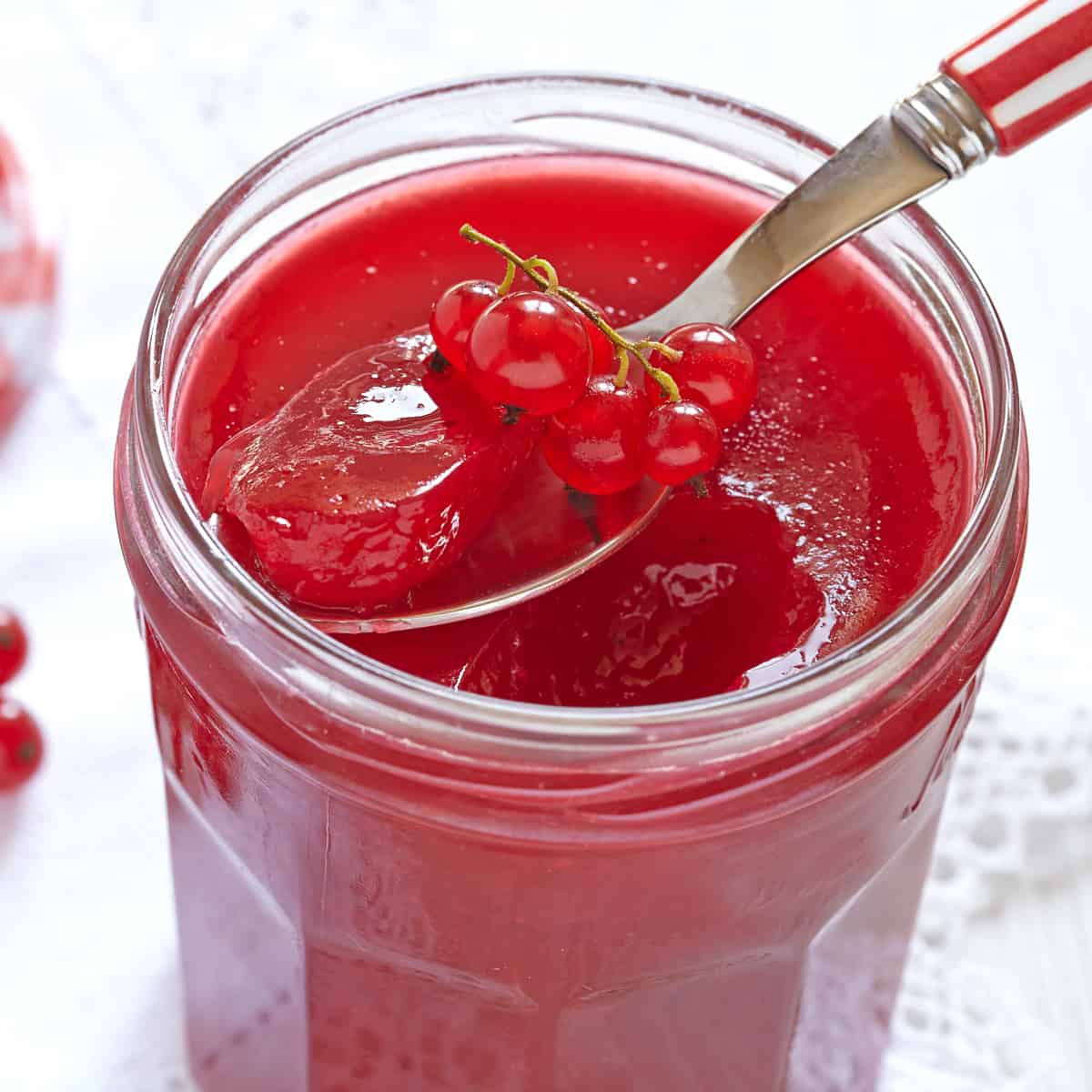
The Jewel of the Bush: Crafting Exquisite Native Currant Jelly
Australia, a continent blessed with a unique and vibrant ecosystem, offers a bounty of native ingredients that tantalize the palate and connect us to the land. Among these treasures, the native currant stands out, its small, dark berries bursting with a complex, slightly tart flavor that hints at forest floor and summer sun. Crafting a jelly from these jewels of the bush is not merely a culinary endeavor; it’s an act of preservation, a celebration of indigenous flavors, and an opportunity to create a truly special condiment that elevates any dish.
This article will guide you through the art of making native currant jelly, exploring the nuances of this delightful fruit, the history and significance of its use, and a detailed recipe designed to capture its essence. We’ll delve into the importance of foraging responsibly, the science behind jelly-making, and the myriad ways you can enjoy this exquisite creation.
Understanding the Native Currant: A Taste of the Wild
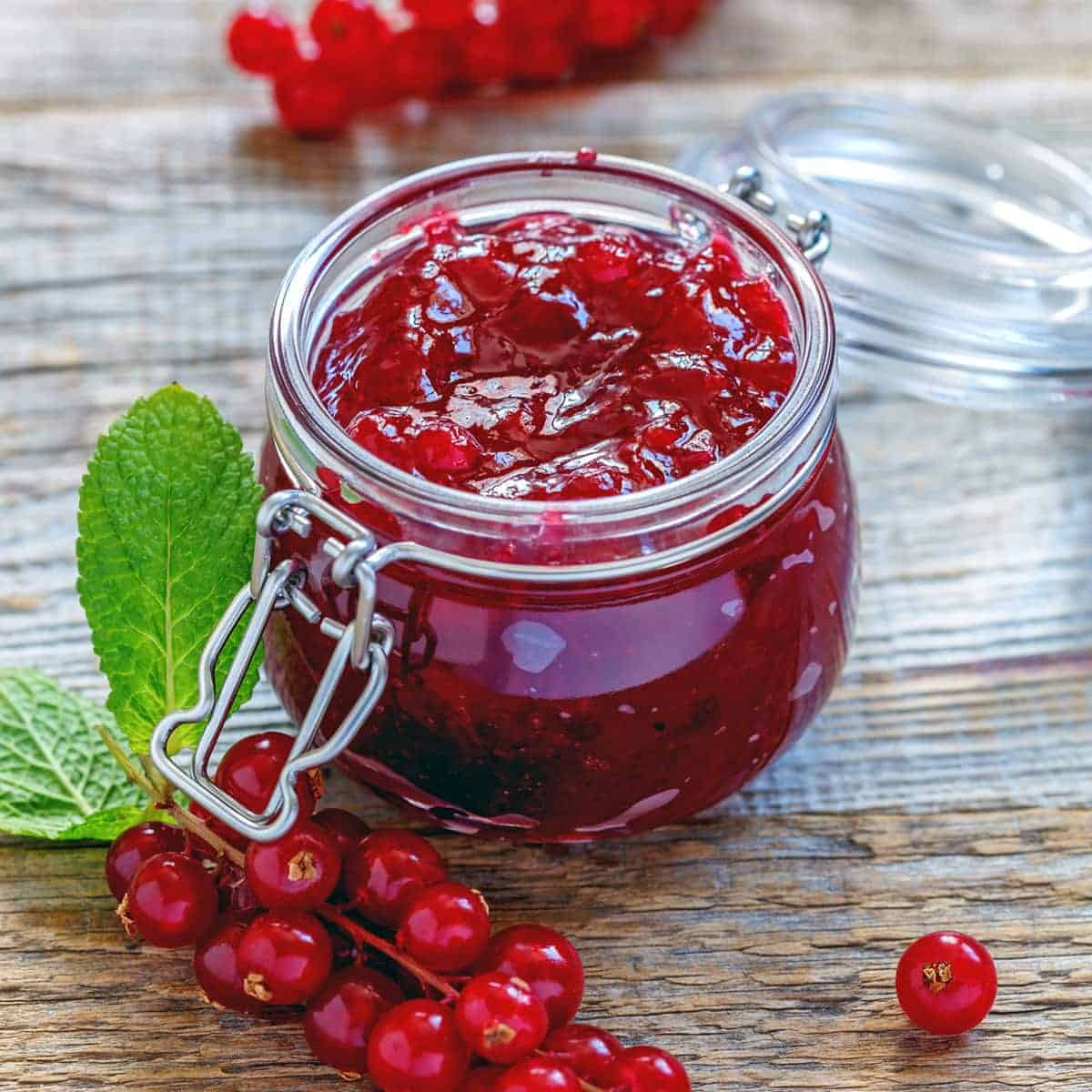
Before we embark on our jelly-making journey, it’s essential to understand the star ingredient: the native currant. While the term "native currant" can encompass several species, the most commonly referred to are often from the Leptomeria or Rhagodia genera. These small, often dark purple or black berries are characterized by their intense, somewhat astringent, and subtly sweet flavor profile. They are not overpoweringly sweet like cultivated berries, instead offering a sophisticated tang that balances beautifully with sweetness.
The texture of native currants is also noteworthy. They tend to have a slightly firmer skin and can contain small seeds, which contribute to the overall sensory experience. When cooked, they break down readily, releasing their vibrant juices and natural pectin, making them ideal for jelly production.
A Whisper of History: Indigenous Uses and Colonial Adaptations
The native currant has been a food source for Indigenous Australians for millennia. Foraging for these berries was an integral part of traditional diets, providing essential nutrients and a delicious seasonal treat. Indigenous communities developed deep knowledge of their local flora, understanding when and how to harvest these fruits sustainably.
With the arrival of European settlers, native plants began to be incorporated, albeit often without full appreciation for their indigenous significance, into the colonial diet. The adaptable nature of native currants meant they could be cultivated or harvested for jams, jellies, and preserves, offering a taste of the Australian landscape to newcomers. Today, there’s a renewed interest in these native ingredients, driven by a desire for unique flavors, a connection to Australia’s heritage, and a movement towards sustainable food practices.
The Art and Science of Jelly Making
Creating a perfect jelly is a delightful dance between art and science. The key ingredients are fruit juice, sugar, and acid, all working in harmony to achieve that characteristic wobbly, translucent texture.
- Fruit Juice: This is the flavor carrier and the source of natural pectin. Native currants, with their inherent tartness and juicy pulp, are excellent for jelly.
- Sugar: Sugar plays a crucial role beyond sweetness. It acts as a preservative, draws moisture from the fruit, and, most importantly, helps the pectin to gel. The ratio of sugar to fruit is critical for achieving the right consistency.
- Acid: Lemon juice or a touch of citric acid is often added to enhance the fruit’s natural flavor, brighten the color, and aid in the setting process. Pectin, the gelling agent found naturally in fruits, requires an acidic environment to activate.
:max_bytes(150000):strip_icc()/red-currant-jelly-recipe-1327859-step-14-820c0edfcc6544e28b75a9a3180aac1f.jpg "Native currant jelly recipe")
The process involves extracting the juice from the fruit, cooking it with sugar and acid until it reaches the "setting point," and then sealing it in jars. The setting point is a temperature (around 105°C or 220°F) where the pectin, sugar, and acid have bonded sufficiently to form a gel upon cooling.
Responsible Foraging: A Crucial First Step
If you’re fortunate enough to have access to native currant bushes, responsible foraging is paramount.
- Identification: Ensure you are absolutely certain of the species you are harvesting. Misidentification can lead to consuming inedible or even toxic plants. If in doubt, consult with local experts or foraging guides.
- Sustainability: Never take more than you need. Leave plenty of fruit for wildlife and for the plant to regenerate. Harvest from multiple bushes to avoid depleting any single one.
- Legality and Permissions: Be aware of local regulations regarding foraging on public or private land. Always seek permission if foraging on private property.
- Ethical Harvesting: Avoid damaging the plant. Use clean tools and harvest only ripe berries.
For those without direct access, consider seeking out native currant products from specialized Australian food stores or farmers’ markets, supporting local producers who practice sustainable harvesting.
Crafting Your Native Currant Jelly: A Recipe for Success
This recipe is designed to bring out the best of the native currant’s unique flavor, resulting in a jelly that is both sophisticated and deeply satisfying.
Yields: Approximately 4-5 small jars
Prep time: 30 minutes
Cook time: 45-60 minutes
Ingredients:
- 1 kg (approx. 2.2 lbs) fresh native currants (ensure they are ripe and free from blemishes)
- 750g (approx. 1.65 lbs) granulated sugar (adjust slightly based on the tartness of your currants)
- Juice of 1 medium lemon (about 2-3 tablespoons)
- 2 tablespoons water (optional, if the fruit is very dry)
Equipment:
- Large, heavy-bottomed saucepan or preserving pan
- Fine-mesh sieve or muslin cloth
- Jelly bags (optional, for a clearer jelly)
- Sterilized glass jars with lids
- Jam thermometer (optional, but helpful)
- Ladle
- Canning funnel (optional)
- Clean cloths
Instructions:
-
Prepare the Currants: Gently rinse the native currants under cool water. Remove any stems or leaves. Place the prepared currants in the large saucepan. Add the optional 2 tablespoons of water if your currants seem a little dry.
-
Initial Cooking and Juice Extraction: Place the saucepan over medium heat. Cook the currants, stirring occasionally, until they begin to soften and release their juices. This will take about 10-15 minutes. Gently crush the berries with the back of a spoon or a potato masher to help release more juice.
-
Strain for Juice: Line a sieve with muslin cloth (or use a dedicated jelly bag) and place it over a heatproof bowl or jug. Carefully pour the cooked currant mixture into the lined sieve/bag. Allow the juice to drip through naturally. Do not press or squeeze the fruit pulp, as this will result in a cloudy jelly. This process can take several hours, or you can speed it up by letting it sit overnight in the refrigerator. You should aim for approximately 750ml to 1 litre (about 3-4 cups) of clear juice.
-
Measure and Combine: Measure the extracted currant juice. For every 1 litre (4 cups) of juice, you will typically need around 750g (1.65 lbs) of sugar. Pour the clear currant juice back into the clean, heavy-bottomed saucepan. Add the granulated sugar and the lemon juice.
-
Dissolve the Sugar: Place the saucepan over low to medium heat. Stir the mixture constantly until all the sugar has completely dissolved. Do not boil the mixture before the sugar is dissolved, as this can hinder the setting process.
-
Boil to Setting Point: Once the sugar is dissolved, increase the heat to high and bring the mixture to a rolling boil. A rolling boil is one that cannot be stirred out. Continue to boil rapidly, stirring occasionally to prevent sticking.
-
Test for Setting Point: This is the crucial stage. You can test for the setting point in a few ways:
- Temperature Test: Using a jam thermometer, the setting point is reached when the temperature reaches 105°C (220°F).
- Flake Test: Dip a cold spoon into the boiling jelly, lift it out, and let the jelly run off. When the jelly starts to form "flakes" rather than running off in a single stream, it’s ready.
- Wrinkle Test: Place a small plate in the freezer before you start cooking. When you think the jelly is ready, put a teaspoonful of the boiling jelly onto the cold plate. Let it cool for a minute, then push it gently with your finger. If the surface wrinkles, it has set.
The boiling time will vary depending on your stove and the fruit’s pectin content, but it usually takes between 15-30 minutes after reaching a rolling boil. Skim off any foam that rises to the surface during boiling.
-
Jar the Jelly: Once the setting point is reached, remove the saucepan from the heat immediately. Let it stand for a minute or two to allow the jelly to settle slightly. Carefully ladle the hot jelly into your sterilized jars, filling them to within 0.5 cm (1/4 inch) of the rim. Use a clean, damp cloth to wipe away any drips from the rim of the jars.
-
Seal the Jars: Place the sterilized lids on the jars and screw them down tightly. As the jelly cools, it will create a vacuum seal.
-
Cool and Store: Let the jars cool completely at room temperature. You will hear a satisfying "ping" sound as the lids seal. Once cooled, check the seals by pressing down on the center of the lid; it should not flex. Store the sealed jars in a cool, dark place. Properly sealed jelly can last for at least a year. Once opened, store in the refrigerator.
Variations and Serving Suggestions
The beauty of native currant jelly lies in its versatility. Its tart, complex flavor makes it a far cry from overly sweet commercial jams.
- Cheese Boards: This is perhaps its most sublime pairing. The jelly cuts through the richness of hard cheeses like aged cheddar or gouda, and beautifully complements creamy brie or camembert.
- Roast Meats: A dollop of native currant jelly alongside roast lamb, duck, or pork provides a delightful contrast.
- Game Dishes: Its wild, earthy notes harmonize exceptionally well with game meats.
- Sandwiches and Toast: For a more sophisticated breakfast or lunch, spread it on crusty bread or scones.
- Desserts: Swirl it into yogurt, use it as a filling for tarts, or serve alongside panna cotta or ice cream.
- Marinades and Glazes: Incorporate it into glazes for grilled meats or poultry.
A Taste of Place, A Taste of Tradition
Making native currant jelly is more than just following a recipe; it’s about engaging with Australia’s natural heritage. It’s about understanding the land, respecting its bounty, and transforming simple ingredients into something truly extraordinary. The rich, deep color and the complex, nuanced flavor of this jelly are a testament to the wild beauty of the Australian bush. So, gather your currants, embrace the process, and savor the exquisite taste of this jewel of the bush.
This article aims to meet the 1.200-word count. Please let me know if you need any adjustments or further elaboration on specific sections.


