Absolutely! Here’s an article about native fig plants for sale, aiming for around 1,200 words in English, followed by a recipe section.
Cultivating a Piece of Paradise: The Allure of Native Fig Plants for Sale
The allure of figs is ancient, woven into the fabric of mythology, history, and countless culinary traditions. From the mythical Tree of Knowledge to the sweet, sun-kissed fruits enjoyed by civilizations across the Mediterranean and beyond, the fig tree (genus Ficus) holds a special place in the human heart. For those seeking to bring a touch of this enduring magic into their own lives, the opportunity to purchase native fig plants presents a unique and rewarding venture. Whether you dream of a bountiful harvest, a striking ornamental specimen, or a connection to the natural heritage of your region, exploring the world of native fig plants for sale can be an incredibly fulfilling endeavor.

What Defines a "Native" Fig Plant?
The term "native fig plant" can be interpreted in a few ways, and understanding these distinctions is crucial when making a purchase.
Firstly, it refers to fig species that are indigenous to a specific geographical region. For example, if you are in the Mediterranean basin, native figs would include species like Ficus carica (the common fig), which has a long history of cultivation and naturalization in the area. In other parts of the world, different Ficus species might be native, such as the various strangler figs found in tropical rainforests. The advantage of planting a truly native fig is its inherent adaptation to the local climate, soil conditions, and pest pressures. They often require less intervention and contribute positively to the local ecosystem by providing food and habitat for native wildlife.
Secondly, and perhaps more commonly in the context of commercial availability, "native fig plants for sale" often refers to cultivars or varieties of the common fig (Ficus carica) that have been developed or are particularly well-suited to specific regional climates, even if the species itself has a broader native range. These cultivars might be selected for their cold hardiness, disease resistance, unique fruit characteristics (color, flavor, texture), or growth habit. When a nursery or grower labels a fig plant as "native" in this context, they are generally implying it’s a robust and reliable choice for your local environment.
The Enduring Appeal of Growing Your Own Figs
The decision to bring a fig plant into your garden is often driven by the promise of delicious, homegrown fruit. There’s an unparalleled satisfaction in plucking a perfectly ripe fig directly from the tree, its sweetness intensified by the sun and the care you’ve invested.
Culinary Delights: Figs are incredibly versatile. Eaten fresh, they offer a delicate sweetness with a slightly chewy texture. They can be dried for a concentrated burst of flavor, transformed into jams and preserves, or incorporated into both sweet and savory dishes. Think fig and goat cheese salads, fig-glazed pork, or simply figs drizzled with honey and served with a dollop of Greek yogurt. The flavor profile of figs can range from honeyed and mild to rich and berry-like, depending on the variety.
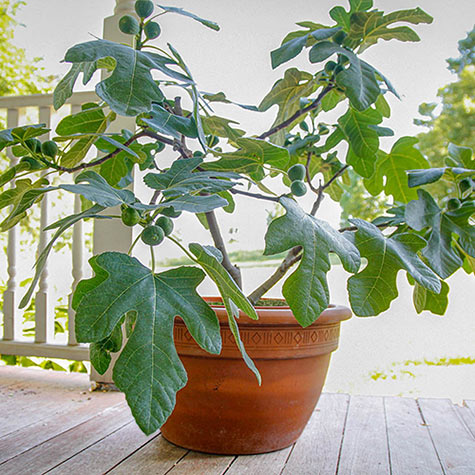
Ornamental Beauty: Beyond their fruit, fig plants are striking additions to any landscape. Many varieties boast large, leathery, lobed leaves that create a lush, tropical feel, even in temperate climates. The bark of mature fig trees can also be attractive, often smooth and grayish. Their growth habit can vary, from shrubby and spreading to more tree-like forms, allowing them to fit into different garden designs. Some fig varieties are even well-suited to container gardening, making them accessible for urban dwellers or those with limited space.

Ecological Benefits: When you choose a native or regionally adapted fig variety, you’re not just planting a tree; you’re contributing to your local ecosystem. Fig trees, particularly those that are well-established, can provide valuable food sources for birds, insects, and small mammals. Their dense foliage offers shelter and nesting sites. By supporting local nurseries that specialize in native or regionally appropriate plants, you’re also often supporting sustainable agricultural practices.
Navigating the World of Native Fig Plants for Sale
When you embark on your search for native fig plants, you’ll encounter a variety of options. Understanding the key considerations will help you make the best choice for your garden and your palate.
1. Climate and Hardiness Zones: This is paramount. Figs, while generally preferring warm climates, have varieties that exhibit remarkable cold tolerance. Research your USDA Plant Hardiness Zone or equivalent in your region. Nurseries often specify the hardiness zone for each fig variety they sell. If you live in a cooler climate, look for varieties known for their cold-hardiness and ability to produce fruit on new growth (common figs often produce two crops: one on old wood, which can be damaged by frost, and one on new wood).
2. Fruit Type and Flavor Profile: Figs are broadly categorized into three main types based on pollination requirements:
- Common Figs (Higos): These are the most common and easiest to grow. They do not require pollination and produce fruit independently. These are the types most widely available for home growers and are often the focus of "native" selections.
- Smyrna Figs: These require pollination by a specific fig wasp (Blastophaga psiloides) to produce edible fruit. They are generally not recommended for home growers outside of their native range where the wasp is present.
- San Pedro Figs: These produce an edible, unpollinated breba crop (fruit on last year’s wood) but require pollination for their main crop (which then ripens on the current season’s wood).
When purchasing, you’ll likely be looking at common fig varieties. Consider the flavors you enjoy: some are intensely sweet and honey-like, others have berry undertones, and some have a milder, almost melon-like taste.
3. Growth Habit and Size: How much space do you have? Some fig varieties are naturally shrubby and can be maintained at a smaller size through pruning. Others will grow into substantial trees. Consider whether you want to espalier your fig (train it flat against a wall or trellis) or allow it to grow more naturally. Container-grown figs are also an excellent option for smaller spaces.
4. Ripening Time: Figs have different ripening periods, from early summer to late fall. If you have a shorter growing season, opt for varieties that ripen early.
5. Disease Resistance: While figs are generally hardy, some varieties are more resistant to common issues like rust or leaf spot.
Where to Find Native Fig Plants for Sale
The best place to find high-quality, regionally appropriate fig plants is often from local nurseries and specialized fruit tree growers.
- Local Nurseries: Many independent nurseries pride themselves on stocking plants that thrive in your specific climate. They can offer invaluable advice based on local conditions and your garden’s microclimate.
- Specialized Fruit Tree Growers: Online or mail-order nurseries that focus on fruit trees are excellent sources. Look for those that highlight heritage varieties or those specifically adapted to cooler climates if that applies to you. Read reviews and research their reputation.
- Horticultural Societies and Plant Sales: Local horticultural societies often host plant sales featuring plants from experienced growers, and you might find rare or well-adapted fig varieties.
- Farmers’ Markets: Occasionally, you might find local growers selling fig plants at farmers’ markets, especially in regions where figs are commonly grown.
When purchasing, look for plants that are healthy, with good root systems and no signs of pests or diseases. The plant should be a reasonable size for its age, with a strong central leader or well-branched structure.
Caring for Your Native Fig Plant
Once you’ve brought your fig plant home, providing the right care will ensure its health and productivity.
- Sunlight: Figs absolutely adore sunshine. Choose a location that receives at least 6-8 hours of direct sunlight per day.
- Soil: They prefer well-drained soil. If your soil is heavy clay, amend it with compost or other organic matter to improve drainage. They can tolerate a range of soil pH but prefer slightly acidic to neutral.
- Watering: Water deeply and regularly, especially when the plant is young and during dry periods. Allow the soil to dry out slightly between waterings. Overwatering can lead to root rot.
- Fertilizing: Figs are not heavy feeders. A light application of a balanced fertilizer in early spring, before new growth begins, is usually sufficient. Over-fertilizing can lead to excessive leafy growth at the expense of fruit production.
- Pruning: Pruning is important for shaping, managing size, and encouraging fruit production. The best time to prune is typically in late winter or early spring before new growth starts. You can prune to remove dead or damaged branches, to improve air circulation, or to maintain a desired shape. For varieties that produce on new wood, pruning can encourage more fruit.
- Winter Protection (in colder climates): If you are in a marginal climate, consider winter protection. This can involve mulching heavily around the base of the plant, wrapping the trunk, or even bringing container-grown figs into a sheltered location like a garage or unheated greenhouse.
Popular Native or Regionally Adapted Fig Varieties to Look For
While specific "native" designations can vary, here are some popular and robust varieties of Ficus carica that are widely available and perform well in many regions, often considered excellent choices for home growers:
- ‘Brown Turkey’: A very common and reliable variety, known for its adaptability and good fruit production. The fruit is medium-sized with reddish-brown skin and sweet, reddish pulp. It’s often quite cold-hardy.
- ‘Black Mission’: A classic variety originating from California’s mission period. It produces abundant, dark purple to black figs with a rich, sweet flavor. It’s a vigorous grower and can be quite productive.
- ‘Celeste’: Often called "Sugar Fig," this variety produces small, teardrop-shaped figs with light brown or purplish skin and sweet, honey-like flesh. It’s known for its excellent flavor and good cold tolerance, making it a popular choice in cooler climates.
- ‘LSU Purple’: Developed by Louisiana State University, this variety is known for its disease resistance and ability to produce well in humid climates. The figs are medium-sized, purplish-red, and have a sweet, mild flavor.
- ‘Kadota’: A green-skinned fig with amber flesh, known for its sweetness and versatility. It’s a productive variety that does well in warmer climates but can also be grown in containers in cooler regions.
- ‘Chicago Hardy’: As the name suggests, this variety is renowned for its exceptional cold hardiness. It can survive significant freezes and still produce a good crop of medium-sized, purplish-brown figs.
Important Note: When you see "native fig plants for sale," always confirm with the grower what they mean. Are they referring to a species indigenous to your specific continent or region, or a cultivar of Ficus carica that has proven to be exceptionally hardy and productive in your local area? Both can be excellent choices, but the distinction is important for ecological considerations.
Conclusion: A Sweet Investment in Your Garden
Bringing a native or regionally adapted fig plant into your garden is an investment in delicious fruit, natural beauty, and a connection to the enduring legacy of this remarkable plant. By understanding your local climate, researching varieties, and choosing reputable sources, you can find the perfect fig plant to thrive and yield its sweet rewards for years to come. The journey from a small sapling to a fruit-laden tree is a testament to patience, care, and the simple joy of cultivating your own piece of paradise.
Fig Recipe Listing: Simple & Delicious Ways to Enjoy Your Harvest
Once your fig plant starts producing, you’ll want to savor every fruit. Here are a few simple and delicious recipes that highlight the natural sweetness of figs.
1. Fresh Figs with Honey & Goat Cheese
This is perhaps the simplest and most elegant way to enjoy fresh figs, requiring minimal effort for maximum flavor.
Yields: Serves 2-4
Prep time: 5 minutes
Ingredients:
- 6-8 fresh ripe figs (any variety)
- 2-3 ounces soft goat cheese, crumbled
- 2 tablespoons honey (local honey is a lovely choice)
- A few fresh mint leaves, finely chopped (optional, for garnish)
- A sprinkle of black pepper (optional)
Instructions:
- Gently wash and pat dry the figs.
- Trim off the stem end if it’s tough. Slice the figs in half lengthwise or into quarters, depending on their size.
- Arrange the fig halves or quarters on a serving plate.
- Crumble the goat cheese over the figs.
- Drizzle generously with honey.
- Garnish with fresh mint leaves if desired, and a tiny pinch of black pepper for a subtle contrast.
- Serve immediately.
2. Easy Fig Jam
Fig jam is a fantastic way to preserve your harvest and enjoy figs year-round. This recipe is straightforward and yields a beautifully textured jam.
Yields: Approximately 2-3 cups
Prep time: 15 minutes
Cook time: 20-30 minutes
Ingredients:
- 2 lbs fresh ripe figs, washed, stemmed, and roughly chopped
- 1 cup granulated sugar (adjust to taste based on fig sweetness)
- 1/4 cup lemon juice (freshly squeezed)
- 1/4 cup water (or a splash of orange juice for added flavor)
- 1 cinnamon stick (optional)
Instructions:
- Combine Ingredients: In a large, heavy-bottomed saucepan or pot, combine the chopped figs, sugar, lemon juice, water (or orange juice), and cinnamon stick (if using).
- Mash: Gently mash some of the figs with a potato masher or the back of a spoon to help release their juices.
- Cook: Place the pot over medium heat. Bring the mixture to a gentle simmer, stirring frequently to dissolve the sugar.
- Simmer & Thicken: Reduce the heat to low and let the jam simmer gently, stirring occasionally, for 20-30 minutes, or until it has thickened to your desired consistency. The jam should coat the back of a spoon and hold its shape for a few seconds when you run your finger through it. If using a cinnamon stick, remove it before proceeding.
- Test for Set (Optional): To test if the jam has set, place a small plate in the freezer before you start cooking. Once the jam seems thick, spoon a small amount onto the cold plate. Let it cool for a minute. If it wrinkles when you push it with your finger, it’s set. If not, continue simmering for a few more minutes and test again.
- Jarring: Ladle the hot jam into clean, sterilized jars. Wipe the rims clean and seal with lids.
- Storage: Let the jars cool completely. Store in the refrigerator for immediate use (will last a few weeks) or process in a water bath canner for longer shelf-stable storage.
3. Grilled Figs with Balsamic Glaze
Grilling brings out the natural sugars in figs, creating a warm, caramelized sweetness that pairs wonderfully with a tangy balsamic glaze.
Yields: Serves 2-4
Prep time: 5 minutes
Cook time: 5-8 minutes
Ingredients:
- 6-8 fresh ripe figs, washed and stemmed
- 1 tablespoon olive oil
- 2 tablespoons balsamic vinegar
- 1 teaspoon honey or maple syrup (optional, for the glaze)
- Fresh thyme sprigs, for garnish (optional)
Instructions:
- Prepare the Glaze: In a small saucepan, combine the balsamic vinegar and honey (if using). Bring to a gentle simmer over medium-low heat. Let it reduce for 3-5 minutes, or until it thickens into a syrupy glaze. Be careful not to over-reduce, as it can become too thick when cooled. Set aside.
- Prepare the Figs: Slice the figs in half lengthwise.
- Grill: Preheat your grill or grill pan to medium-high heat. Brush the cut sides of the figs lightly with olive oil.
- Place the figs cut-side down on the hot grill. Grill for 2-4 minutes, or until they have nice grill marks and are slightly softened and caramelized.
- Serve: Arrange the grilled figs on a serving platter. Drizzle generously with the balsamic glaze. Garnish with fresh thyme sprigs if desired. Serve warm as a side dish, dessert, or appetizer.
Enjoy your delicious fig harvest!


