
Unveiling the Riches of Native Grapes: A Journey into Flavor and Heritage
For centuries, vineyards have painted landscapes across the globe, their tangled vines bearing the promise of rich, complex wines and delightful, sun-kissed table grapes. While the world often celebrates the renowned varieties born from European soil, a parallel universe of indigenous grapes, brimming with unique character and historical significance, awaits discovery. These "native grapes," often overlooked, are not just a nod to the past; they are a vibrant testament to the biodiversity of our planet and a treasure trove of unparalleled flavors.
The allure of native grapes lies in their deep connection to their origin. Unlike their more globally ubiquitous cousins, these vines have evolved in specific environments, adapting to local soils, climates, and even endemic pests. This inherent resilience often translates into easier cultivation, requiring fewer chemical interventions and offering a more sustainable approach to viticulture. Furthermore, their genetic makeup holds the key to a fascinating spectrum of aromas and tastes, often distinct and intriguing, that are difficult, if not impossible, to replicate with introduced varietals.
Why Embrace Native Grapes? A Multifaceted Appeal
The growing interest in native grapes for sale is fueled by a confluence of factors, catering to a diverse range of consumers and enthusiasts:
- Terroir Expressed: Native grapes are the ultimate embodiment of terroir – the unique environmental factors that influence the character of a wine or fruit. When you taste a wine made from a native grape, you are tasting the very essence of the land from which it was born. This offers an unparalleled opportunity to connect with a specific region’s agricultural heritage and its natural bounty.
- Biodiversity and Conservation: In an era where agricultural monocultures are a growing concern, championing native grapes plays a vital role in preserving biodiversity. By cultivating and promoting these less common varieties, we help safeguard a rich genetic pool that might otherwise be lost to the pressures of modernization and commercial interests.
- Unique Flavor Profiles: Forget the predictable. Native grapes often surprise with unexpected notes. Imagine the wild berry complexity of a Frontenac, the tart, refreshing zest of a Marquette, or the subtle floral undertones of a Seyval Blanc. These are flavors that tell a story, offering a departure from the familiar and an invitation to explore new gustatory horizons.
- Resilience and Sustainability: Many native grape varieties have developed a natural resistance to common diseases and pests that plague more common Vitis vinifera grapes. This translates to less reliance on pesticides and herbicides, making them an environmentally conscious choice for both growers and consumers. Their hardiness also makes them suitable for regions with harsher climates, expanding the possibilities for local wine and grape production.
- Historical and Cultural Significance: These grapes are living links to the past. They were often the varieties cultivated by indigenous peoples or early settlers, forming the backbone of regional agricultural economies and traditions. By choosing native grapes, you are not just buying a plant; you are investing in the preservation of cultural heritage.
- Culinary Versatility: Beyond winemaking, native grapes offer exciting possibilities for the kitchen. Their distinct flavors can elevate jams, jellies, pies, sauces, and even be enjoyed fresh, providing a unique twist on everyday dishes.
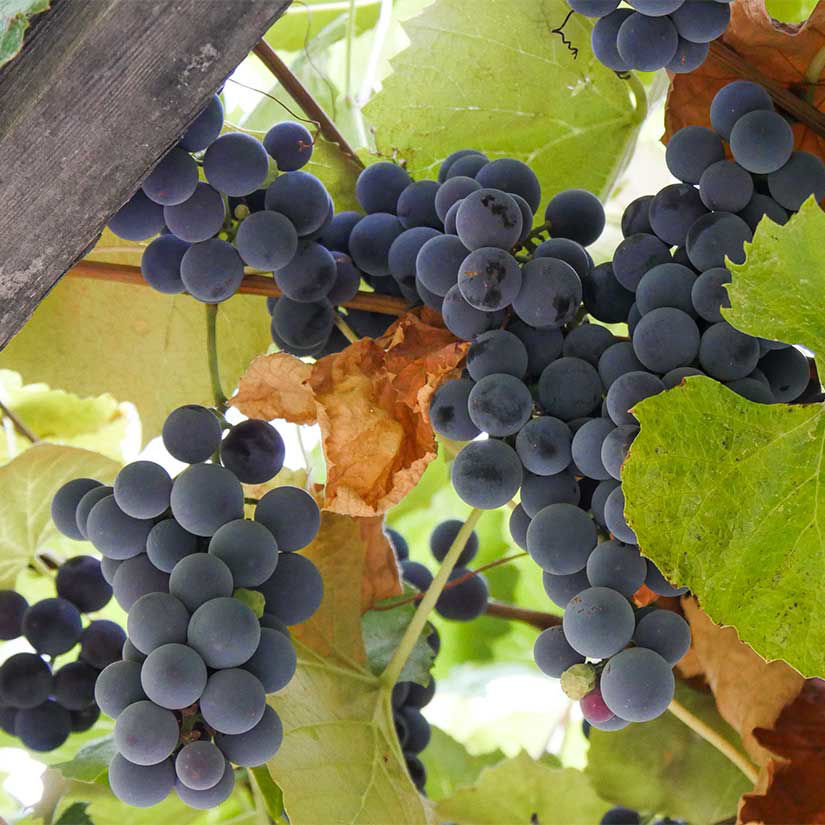
Exploring the Diverse World of Native Grapes (with a focus on popular, available varieties):
While the term "native grape" can encompass a vast array of species and hybrids, certain varieties have gained prominence and are readily available for purchase, offering a gateway into this fascinating world. Here are a few examples:
For the Enthusiast of Cool Climates and Robust Flavors:
- Marquette: A true star of cold-hardy grapes, Marquette is a hybrid developed by the University of Minnesota. It’s known for its dark, rich color, and complex aromas of cherry, blackcurrant, and sometimes even a hint of spice or tobacco. Wines made from Marquette are often full-bodied with good tannins and aging potential. It’s also a delicious table grape with a pleasant, slightly tart flavor.
- Frontenac: Another Minnesota hybrid, Frontenac, is celebrated for its deep ruby-red color and intense aromas of black cherry, plum, and cranberry. It’s a versatile grape, producing wines that can range from dry and robust to sweet and fruity. Its high acidity makes it excellent for rosé and sparkling wines.
- Crimson Cabernet: While the name might evoke a European association, Crimson Cabernet is a hybrid grape developed for its cold hardiness and disease resistance, offering a flavor profile that can be reminiscent of Cabernet Franc, with notes of red fruit and a slightly herbaceous character. It’s a promising option for those seeking reliable yields in challenging climates.
For Those Seeking Refreshing Acidity and Versatility:
- Seyval Blanc: A hybrid that has found favor in various regions, Seyval Blanc is known for its crisp acidity and subtle citrus and green apple notes. It’s a white grape that produces dry, refreshing wines, often compared to unoaked Chardonnay or Sauvignon Blanc. It also makes a delightful table grape, with a clean, slightly tart flavor.
- Vidal Blanc: Another popular hybrid, Vidal Blanc, is highly adaptable and can produce a range of wines from dry and crisp to rich and sweet dessert wines (ice wine). It often exhibits notes of tropical fruit, peach, and honey. Its versatility makes it a favorite among winemakers.
For the Adventurous Palate and Historical Connection:
- Norton (Cynthiana): Considered by many to be the premier American red grape, Norton is a species native to North America. It’s known for its deep color, bold tannins, and complex flavors of blackberry, dark plum, and a distinctive earthy or peppery note. Wines made from Norton can be powerful and age-worthy, rivaling many European reds. It’s also a fascinating grape to explore for its historical significance in American winemaking.
- Concord: Perhaps the most recognizable of American native grapes, Concord is synonymous with grape jelly, juice, and classic "grape" flavor. While its wine can be polarizing due to its distinct "foxy" aroma, it holds immense cultural value and is a robust, hardy vine that thrives in many regions. It’s a nostalgic taste for many and a great choice for home juice production.
Where to Find Your Native Grape Plants:
The availability of native grape plants for sale can vary depending on your region and the time of year. However, several avenues are excellent starting points:
- Specialty Nurseries: Look for nurseries that specialize in fruit trees, vines, and native plants. Many will have dedicated sections for cold-hardy or indigenous grape varieties.
- University Extension Programs: Agricultural extension offices at universities often have lists of reputable local nurseries or can provide guidance on suitable varieties for your area.
- Online Retailers: Many reputable online nurseries ship dormant grapevines. Be sure to research the seller’s reputation and inquire about the health and origin of their plants.
- Local Grape Growers and Wineries: Connecting with local growers or wineries that are cultivating native grapes can be an invaluable resource. They may offer cuttings, young plants, or direct you to reliable sources.
Cultivating Your Own Piece of Heritage:
Bringing native grapevines into your garden or vineyard is a rewarding endeavor. While their hardiness is a significant advantage, understanding their specific needs will ensure success:
- Site Selection: Most grapevines thrive in full sun (at least 6-8 hours per day) and well-drained soil.
- Support System: Grapevines are climbers and will require a trellis, arbor, or fence for support.
- Pruning: Proper pruning is crucial for fruit production and vine health. Research the specific pruning techniques for your chosen variety.
- Pest and Disease Management: While many native grapes are resilient, occasional issues may arise. Familiarize yourself with common concerns and organic management strategies.
Beyond the Vineyard: Culinary Delights from Native Grapes
The unique flavors of native grapes extend far beyond the wine glass. Their distinct characteristics lend themselves beautifully to a variety of culinary creations. Here are a few recipe ideas to get you started:
Recipe Listing: Celebrating the Flavors of Native Grapes
1. Marquette Grape & Goat Cheese Tartlets
This recipe showcases the rich, dark fruitiness of Marquette grapes, balanced by the creamy tang of goat cheese.
Yields: 12 tartlets
Prep time: 20 minutes
Cook time: 25-30 minutes
Ingredients:
- 1 sheet of store-bought puff pastry, thawed
- 1 cup fresh Marquette grapes, halved and seeded (or other dark native grape)
- 4 oz goat cheese, softened
- 1 tablespoon fresh thyme leaves, chopped
- 1 tablespoon honey
- 1 tablespoon olive oil
- Salt and freshly ground black pepper to taste
- Optional garnish: fresh thyme sprigs, a drizzle of balsamic glaze
Instructions:
- Preheat your oven to 400°F (200°C). Line a baking sheet with parchment paper.
- Unroll the puff pastry and cut it into 12 equal squares. Place each square onto the prepared baking sheet.
- Using a small knife, lightly score a border about ½ inch from the edge of each pastry square, being careful not to cut all the way through. This will create a raised edge for your tartlets.
- In a small bowl, combine the softened goat cheese, chopped thyme, honey, and olive oil. Season with salt and pepper to taste. Mix until well combined and spreadable.
- Spoon about a tablespoon of the goat cheese mixture into the center of each pastry square, spreading it evenly within the scored border.
- Arrange the halved Marquette grapes on top of the goat cheese mixture.
- Bake for 25-30 minutes, or until the puff pastry is golden brown and puffed up, and the grapes are slightly softened and beginning to burst.
- Let the tartlets cool slightly on the baking sheet before transferring them to a serving platter.
- Garnish with fresh thyme sprigs and a drizzle of balsamic glaze, if desired. Serve warm.
2. Concord Grape & Rosemary Jam
A classic flavor with an aromatic twist, this jam highlights the iconic taste of Concord grapes with the savory notes of rosemary.
Yields: Approximately 3 cups
Prep time: 15 minutes
Cook time: 45-60 minutes
Ingredients:
- 4 cups fresh Concord grapes, washed and destemmed (or other sweet, flavorful native grape)
- 1 cup granulated sugar (adjust to taste depending on grape sweetness)
- 1 tablespoon fresh rosemary, finely chopped
- 1 tablespoon lemon juice
- Pinch of salt
Instructions:
- In a large, heavy-bottomed saucepan, combine the Concord grapes, sugar, chopped rosemary, lemon juice, and salt.
- Cook over medium heat, stirring frequently, until the sugar dissolves and the grapes begin to soften and release their juices. This will take about 10-15 minutes.
- Using a potato masher or the back of a spoon, gently crush the grapes to release more juice.
- Bring the mixture to a rolling boil, stirring constantly.
- Continue to boil, stirring frequently, until the jam thickens. This can take anywhere from 30-45 minutes. To test for set, place a small spoonful of jam onto a chilled plate. If it wrinkles when pushed, it’s ready.
- Skim off any foam that may form on the surface.
- Carefully ladle the hot jam into sterilized jars, leaving about ¼ inch of headspace. Wipe the rims clean.
- Seal the jars with lids and process in a boiling water bath for 10 minutes (adjust time for altitude).
- Let the jars cool completely. The jam will continue to thicken as it cools. Store in a cool, dark place.
3. Seyval Blanc Grape & Mint Salad with Toasted Almonds
A refreshing and light salad that celebrates the crisp acidity of Seyval Blanc grapes.
Yields: 4 servings
Prep time: 15 minutes
Ingredients:
- 2 cups fresh Seyval Blanc grapes, halved (or other crisp, white native grape)
- ½ cup fresh mint leaves, roughly chopped
- ¼ cup toasted slivered almonds
- 2 tablespoons fresh lemon juice
- 1 tablespoon extra virgin olive oil
- Pinch of salt
- Freshly ground black pepper to taste
Instructions:
- In a medium bowl, gently combine the halved Seyval Blanc grapes and chopped mint.
- In a small bowl, whisk together the lemon juice, olive oil, salt, and pepper to create the dressing.
- Pour the dressing over the grape and mint mixture and toss gently to coat.
- Sprinkle the toasted slivered almonds over the salad just before serving.
- Serve immediately as a light appetizer, side dish, or refreshing snack.
By embracing the world of native grapes, you not only gain access to unique and captivating flavors but also contribute to the vital effort of preserving agricultural heritage and biodiversity. So, explore, taste, and cultivate – the riches of your local terroir are waiting to be discovered.


