From Our Fields to Your Table: Discover the Vibrant World of Native Mustard Greens
In a culinary landscape increasingly drawn to the exotic and the novel, it’s easy to overlook the incredible treasures that lie in our own backyards. Among these unsung heroes are native mustard greens, a group of leafy vegetables boasting a rich history, a kaleidoscope of flavors, and a remarkable array of health benefits. These aren’t your run-of-the-mill brassicas; they are the wild, untamed cousins of the mustard plant, carrying the essence of the land from which they originate. And the good news? They are increasingly becoming available for sale, offering home cooks and adventurous eaters alike the chance to reconnect with authentic, local produce.
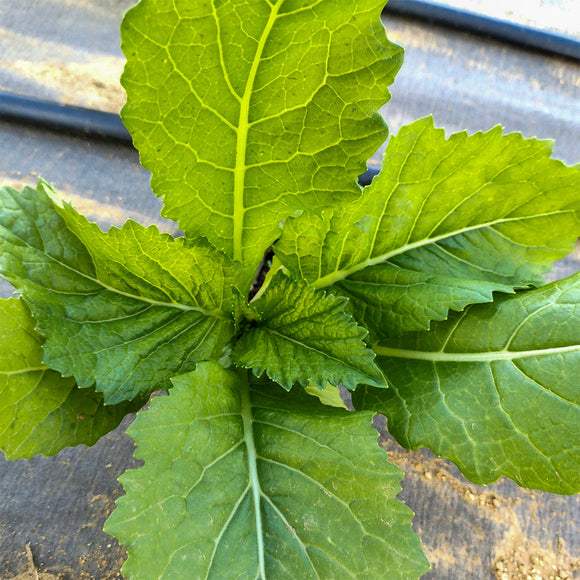
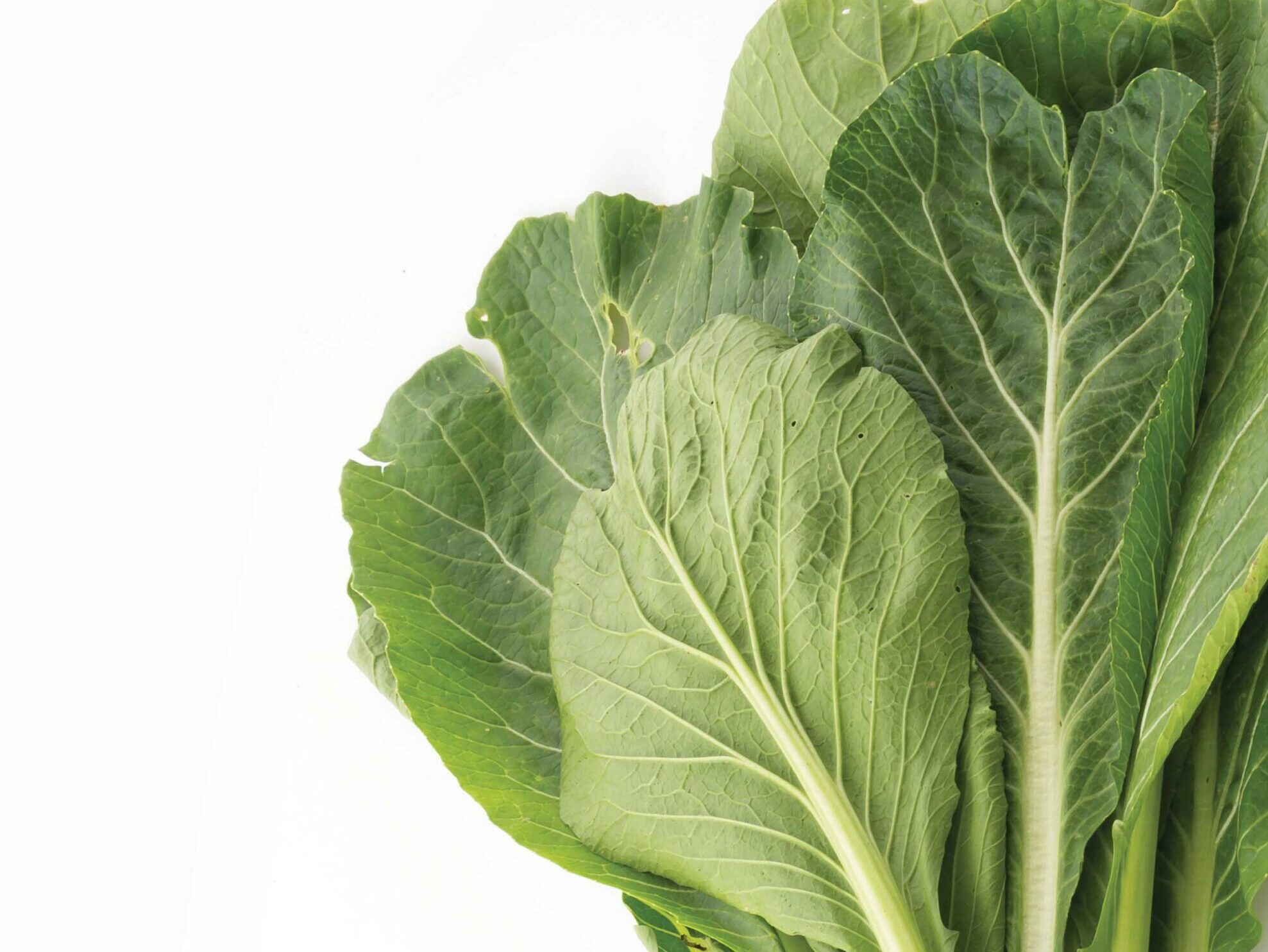
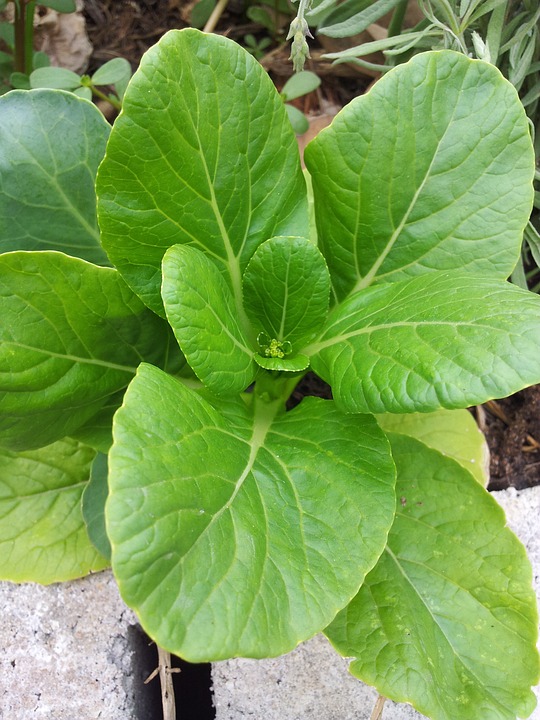
The term "mustard greens" itself is a broad category, encompassing a diverse family of plants belonging to the Brassica genus. While many commercially available mustard greens are cultivated varieties, native mustard greens often refer to species that have grown wild or been traditionally cultivated in specific regions for centuries. These greens are characterized by their pungent, peppery flavor, which can range from mildly zesty to intensely spicy, depending on the variety and growing conditions. Their leaves are typically a vibrant green, often with a rougher texture than their cultivated counterparts, and they can vary significantly in shape and size, from broad, crinkled leaves to more delicate, serrated edges.
The appeal of native mustard greens goes far beyond their distinctive taste. Historically, these greens have been a staple in the diets of many cultures, valued not only for their flavor but also for their resilience and nutritional density. They thrive in diverse climates, often requiring minimal intervention to flourish. This hardiness has allowed them to persist in the wild, providing a vital source of vitamins, minerals, and antioxidants to communities for generations.
Why the Growing Interest in Native Mustard Greens for Sale?
Several factors are contributing to the rising popularity and availability of native mustard greens:
- The Farm-to-Table Movement: Consumers are increasingly seeking out locally sourced, seasonal produce. Native mustard greens, by their very nature, are intrinsically linked to their local terroir, offering a true taste of place.
- Health and Wellness Trends: Mustard greens are nutritional powerhouses. They are exceptionally rich in vitamins A, C, and K, as well as folate, calcium, and potassium. Their high antioxidant content is also a significant draw for health-conscious individuals.
- Culinary Exploration: Chefs and home cooks are constantly looking for new ingredients to excite their palates. The unique, bold flavors of native mustard greens offer a departure from more common leafy greens, providing an exciting opportunity for culinary creativity.
- Sustainability and Biodiversity: Supporting the sale of native species contributes to the preservation of agricultural biodiversity. It encourages the cultivation of heirloom varieties that might otherwise be lost, promoting more resilient and diverse food systems.
- Cultural Heritage: For many communities, native mustard greens are more than just food; they are a part of their cultural heritage and identity. Their availability for sale helps to keep these traditions alive and accessible.
A Spectrum of Flavor: Exploring Different Native Mustard Greens
While specific native varieties will differ by region, here are some common examples of mustard greens that you might encounter in local markets or from specialty growers:
- Wild Mustard (Brassica nigra, Brassica juncea var. crispifolia): This is often the archetypal "native mustard green." It’s known for its assertive, spicy kick that intensifies with cooking. The leaves can be quite ruffled and are often found growing wild.
- Charlock (Sinapis arvensis): Another common wild mustard, charlock offers a pungent, slightly bitter flavor. It’s a resilient plant that can be found in fields and along roadsides.
- Indian Mustard Greens (Brassica juncea): While many varieties of Brassica juncea are cultivated globally, some are considered native to specific regions and are prized for their intense heat and distinct aroma.
- Chinese Mustard Greens (various Brassica juncea cultivars): While often cultivated, some traditional Chinese varieties have deep roots in their native lands and are celebrated for their unique flavor profiles.
- Other Regional Varieties: Depending on your location, you might find other local brassicas that are used as mustard greens, each with its own subtle nuances in flavor and texture.
Where to Find Native Mustard Greens for Sale:
The availability of native mustard greens can be a delightful treasure hunt. Here are the best places to look:
- Local Farmers’ Markets: This is by far the most reliable place to find truly local and often native varieties. Connect with farmers who specialize in heirloom produce or traditional crops.
- Specialty Produce Stores: Some upscale or ethnic grocery stores may carry a wider range of greens, including less common native varieties.
- Online Specialty Growers: A growing number of online retailers focus on heirloom seeds and produce. A quick search for "native mustard greens for sale" might reveal specialized farms shipping across regions.
- Community Supported Agriculture (CSA) Programs: If you join a CSA that focuses on local and seasonal produce, you’re likely to encounter a diverse array of greens, including native mustard varieties.
- Foraging (with caution and expertise): While not a commercial option, those with deep knowledge of local flora and safe foraging practices might find wild mustard greens. It is crucial to be absolutely certain of plant identification and to be aware of potential contaminants in wild-grown produce.
Tips for Purchasing and Storing Native Mustard Greens:
When you find these vibrant greens, here’s how to make the most of them:
- Look for Freshness: Choose bunches with bright, crisp leaves and no signs of wilting, yellowing, or sliminess.
- Inspect for Pests: Like any leafy green, check for any signs of insects.
- Storage: Native mustard greens are best used fresh. Store them unwashed in the refrigerator, wrapped loosely in a damp paper towel inside a plastic bag. They should last for 3-5 days.
- Washing: Always wash your mustard greens thoroughly under cold running water before use, even if they appear clean.
Culinary Versatility: Beyond the Stir-Fry
The bold flavor of native mustard greens means they can stand up to a variety of cooking methods and flavor pairings. They are incredibly versatile and can transform simple dishes into something extraordinary.
- Sautéed and Steamed: A classic preparation involves quickly sautéing or steaming the greens with garlic, olive oil, and a pinch of red pepper flakes. This method mellows their pungency while retaining their vibrant flavor.
- Braised: Mustard greens are excellent when braised slowly with broth, aromatics, and perhaps a piece of smoked meat (like ham hocks or bacon) for added depth of flavor. This is a traditional way to prepare them in many Southern and African American cuisines.
- In Soups and Stews: Add chopped mustard greens to your favorite soups and stews during the last 15-20 minutes of cooking. They will wilt down and impart their peppery goodness.
- Pickled: The firm texture of mustard greens makes them suitable for pickling, offering a tangy and spicy condiment.
- Raw (in moderation): For the adventurous, very young and tender leaves can be finely chopped and added to salads for a peppery bite. However, their strong flavor often lends itself better to cooked applications.
The Health Benefits You Can Taste:
Native mustard greens are not just flavorful; they are incredibly beneficial for your health:
- Vitamin Powerhouse: They are exceptionally rich in Vitamins A, C, and K, essential for vision, immune function, and blood clotting, respectively.
- Antioxidant Rich: Packed with antioxidants like glucosinolates, which are converted into isothiocyanates, these greens may help protect against cellular damage and reduce the risk of chronic diseases.
- Digestive Health: The fiber content aids in digestion and promotes a healthy gut microbiome.
- Bone Health: High in Vitamin K and calcium, they contribute to strong bones and may help prevent osteoporosis.
- Heart Health: The potassium content helps regulate blood pressure, and the fiber can help lower cholesterol levels.
Recipes to Inspire Your Culinary Journey with Native Mustard Greens:
Here are a few recipes to get you started on exploring the delicious potential of native mustard greens. Remember, the intensity of the mustard greens will vary, so adjust seasonings to your taste.
Recipe Collection: Embracing the Bold Flavor of Native Mustard Greens
These recipes are designed to highlight the unique character of native mustard greens. Feel free to adapt them based on the specific variety you find and your personal preferences.
1. Simple Sautéed Native Mustard Greens with Garlic and Chili
This is a quick and easy way to enjoy the pure flavor of the greens.
Yields: 2-3 servings
Prep time: 10 minutes
Cook time: 5-7 minutes
Ingredients:
- 1 lb native mustard greens, tough stems removed, leaves roughly chopped
- 2 tablespoons olive oil
- 3-4 cloves garlic, thinly sliced
- 1/4 – 1/2 teaspoon red pepper flakes (adjust to your spice preference)
- Salt to taste
- Optional: A squeeze of lemon juice or a splash of vinegar
Instructions:
- Wash and Prepare Greens: Thoroughly wash the mustard greens under cold running water. Spin or pat them dry. Remove any tough, woody stems. Roughly chop the leaves into bite-sized pieces.
- Sauté Aromatics: Heat the olive oil in a large skillet or wok over medium heat. Add the sliced garlic and red pepper flakes. Sauté for about 1-2 minutes until the garlic is fragrant and lightly golden. Be careful not to burn the garlic.
- Add Greens: Add the chopped mustard greens to the skillet. They will seem like a lot, but they will wilt down significantly.
- Cook: Stir-fry the greens for 3-5 minutes, or until they are tender and wilted to your liking. For a more tender green, you can add a tablespoon of water and cover the skillet for a minute or two.
- Season: Season generously with salt to taste.
- Finish (Optional): For a brighter flavor, add a squeeze of fresh lemon juice or a splash of apple cider vinegar just before serving.
- Serve: Serve hot as a side dish.
2. Southern-Style Braised Mustard Greens with Smoked Ham Hock
This classic preparation brings out a deep, savory flavor and tenderizes the greens beautifully.
Yields: 4-6 servings
Prep time: 15 minutes
Cook time: 1.5 – 2 hours
Ingredients:
- 2 lbs native mustard greens, tough stems removed, leaves roughly chopped
- 1 smoked ham hock (about 1 lb)
- 6 cups chicken or vegetable broth (or water)
- 1 large onion, chopped
- 2-3 cloves garlic, minced
- 1 teaspoon black pepper
- 1/2 teaspoon red pepper flakes (optional)
- Salt to taste (be mindful of the salt from the ham hock)
- Optional: A splash of apple cider vinegar
Instructions:
- Prepare Greens: Thoroughly wash and chop the mustard greens.
- Start Braising: In a large Dutch oven or heavy-bottomed pot, combine the smoked ham hock, broth (or water), chopped onion, minced garlic, black pepper, and red pepper flakes (if using).
- Cook Ham Hock: Bring to a boil, then reduce heat, cover, and simmer for about 1 hour, or until the ham hock is tender and the meat is starting to pull away.
- Add Greens: Add the chopped mustard greens to the pot. They will fill the pot, but they will wilt. Stir them into the liquid.
- Continue Braising: Cover and simmer for another 45 minutes to 1 hour, or until the greens are very tender and have absorbed the flavors of the broth. Stir occasionally.
- Shred Ham Hock (Optional): Once the greens are tender, remove the ham hock from the pot. Shred the meat from the bone and return it to the pot. Discard the bone and excess fat.
- Season: Taste and season with salt if needed. Remember the ham hock is salty. Add a splash of apple cider vinegar for brightness, if desired.
- Serve: Serve hot, spooning the braising liquid over the greens and meat.
3. Spicy Mustard Green and Lentil Soup
A hearty and nutritious soup perfect for a cool day.
Yields: 6-8 servings
Prep time: 15 minutes
Cook time: 35-40 minutes
Ingredients:
- 1 tablespoon olive oil
- 1 large onion, chopped
- 2 carrots, peeled and diced
- 2 celery stalks, diced
- 3 cloves garlic, minced
- 1 teaspoon ground cumin
- 1/2 teaspoon ground coriander
- 1/4 teaspoon turmeric powder
- 1/4 teaspoon red pepper flakes (or more, to taste)
- 1 cup brown or green lentils, rinsed
- 6 cups vegetable broth
- 1 lb native mustard greens, tough stems removed, roughly chopped
- Salt and freshly ground black pepper to taste
- Optional: Fresh cilantro or parsley for garnish
Instructions:
- Sauté Vegetables: Heat olive oil in a large pot or Dutch oven over medium heat. Add the chopped onion, carrots, and celery. Cook until softened, about 5-7 minutes.
- Add Aromatics and Spices: Add the minced garlic, cumin, coriander, turmeric, and red pepper flakes. Cook for 1 minute more until fragrant.
- Add Lentils and Broth: Stir in the rinsed lentils and vegetable broth.
- Simmer: Bring the soup to a boil, then reduce heat, cover, and simmer for 20-25 minutes, or until the lentils are tender.
- Add Greens: Stir in the chopped mustard greens. Cook for another 10-15 minutes, or until the greens are wilted and tender.
- Season: Season generously with salt and freshly ground black pepper to taste.
- Serve: Ladle the soup into bowls. Garnish with fresh cilantro or parsley, if desired.
The availability of native mustard greens for sale is an invitation to explore a part of our culinary heritage, to embrace robust flavors, and to nourish our bodies with nutrient-dense food. So, the next time you visit your local market or browse online for produce, keep an eye out for these vibrant, peppery treasures. They are more than just greens; they are a connection to the land, a testament to nature’s bounty, and a delicious adventure waiting to happen on your plate.


