
The Untamed Pantry: Your Essential Guide to Native Edible Plants
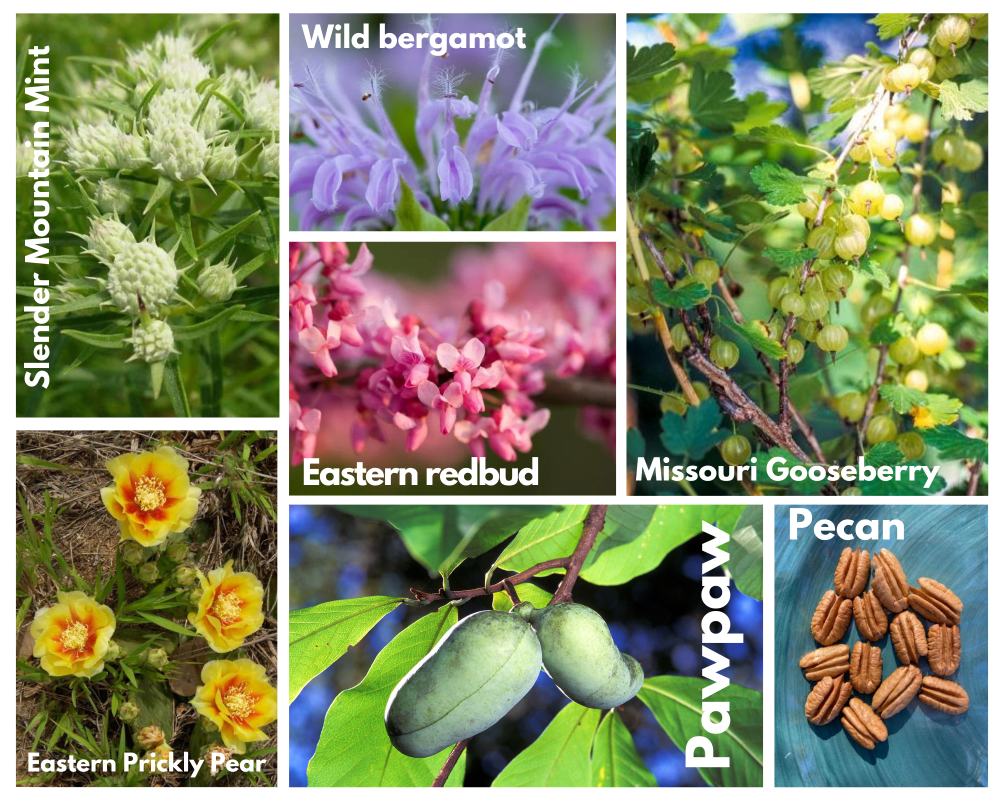
In our modern world, the grocery store aisles are a testament to global trade, offering a dizzying array of fruits, vegetables, and herbs from every corner of the planet. Yet, nestled within our own backyards, local parks, and wilder landscapes lies a forgotten bounty – the native edible plants. These are the plants that have thrived for millennia, adapted to our specific climate and soil, and hold a wealth of nutritional and culinary treasures. Embracing a native plant edible guide isn’t just about discovering new flavors; it’s a journey into sustainability, biodiversity, and a deeper connection with the land beneath our feet.
Why Go Native? The Multifaceted Benefits of Wild Edibles
The allure of native edible plants extends far beyond the novelty of foraging. Here are compelling reasons to incorporate them into your diet and landscape:
- Sustainability and Reduced Environmental Impact: Native plants are inherently adapted to their local environment. This means they require less water, fertilizer, and pesticides compared to many introduced or cultivated species. By choosing native edibles, you support a more resilient ecosystem and reduce your ecological footprint.
- Biodiversity Support: Many native plants are crucial food sources and habitats for local wildlife, including pollinators like bees and butterflies, as well as birds and small mammals. Incorporating them into your garden or supporting their conservation in the wild directly contributes to the health of your local ecosystem.
- Nutritional Powerhouses: Indigenous plants have evolved to thrive in their native soils, often accumulating a unique and diverse range of vitamins, minerals, and antioxidants. Many wild edibles offer superior nutritional profiles to their cultivated counterparts, providing a broader spectrum of beneficial compounds.
- Unparalleled Flavor and Culinary Exploration: Wild edibles often boast complex and nuanced flavors that are distinct from anything found in conventional agriculture. Foraging opens up a world of unique tastes and textures, allowing for creative culinary experimentation and a deeper appreciation for natural flavors.
- Cost-Effectiveness and Accessibility: Once you identify and learn to harvest them responsibly, native edible plants are a free and abundant food source. This can be particularly valuable for those seeking to supplement their diet or reduce food expenses.
- Connection to Place and Heritage: Understanding and utilizing native plants fosters a profound connection to your local environment and its history. It’s a way of engaging with the land that has sustained human populations for generations.
Getting Started: Essential Principles for Responsible Foraging
Before embarking on your wild food adventure, it is paramount to understand and adhere to responsible foraging practices. This ensures your safety, protects the environment, and guarantees the long-term availability of these precious resources.
-
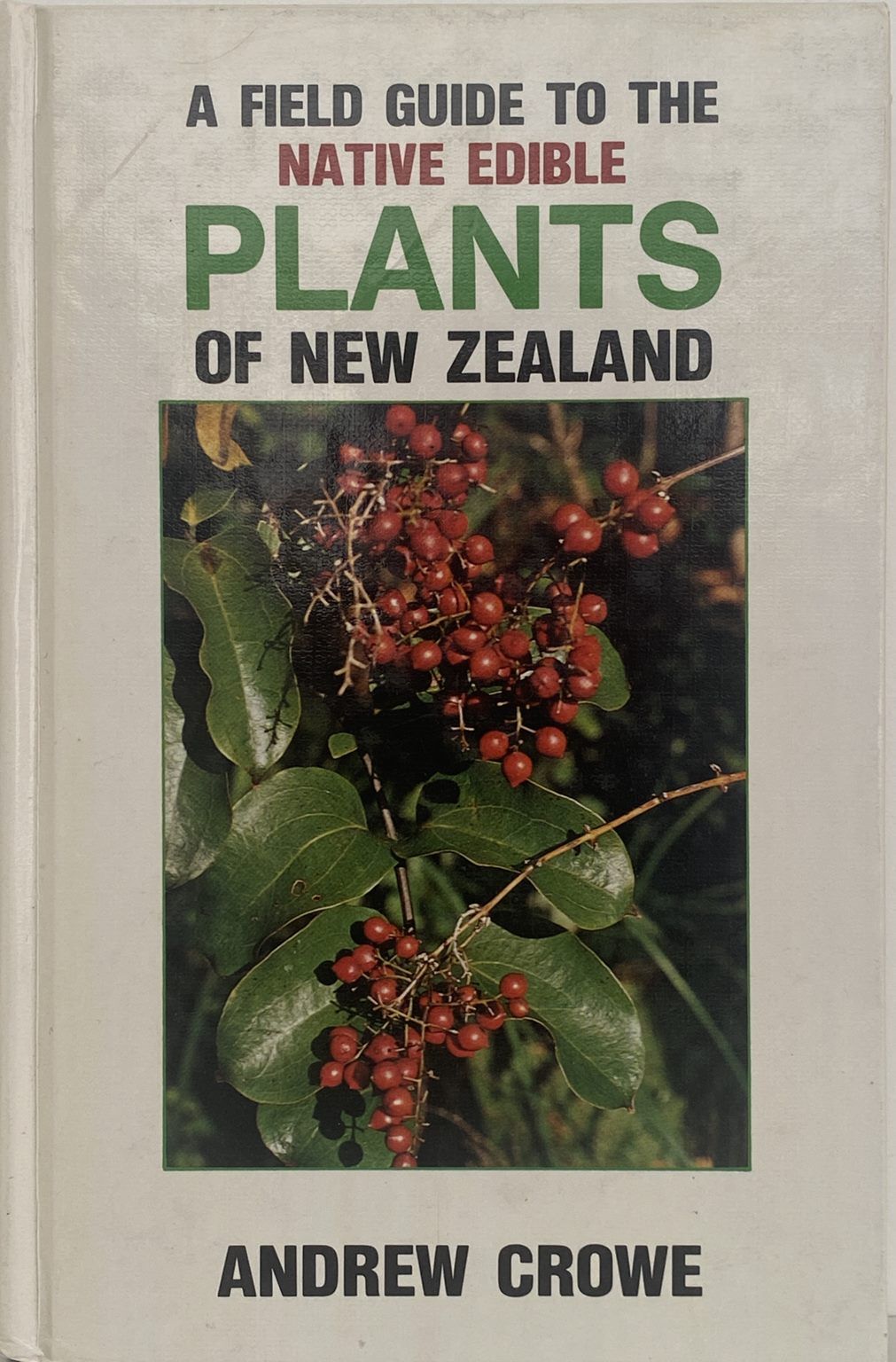
Positive Identification is Non-Negotiable: This is the golden rule of foraging. Never consume a plant unless you are 100% certain of its identification. Many edible plants have toxic look-alikes. Invest in reputable field guides specific to your region, join local foraging groups, or take a workshop with an experienced forager. Start with well-known and easily identifiable species.
-
Know Your Location and Land Use: Only forage on land where you have permission. Avoid areas that may be contaminated with pesticides, herbicides, heavy metals, or animal waste. Public lands may have specific regulations regarding foraging, so always check local ordinances.
-
The "Take Only What You Need" Ethos: Practice sustainable harvesting. Never take more than a small percentage (typically 10-20%) of the available plant population. Leave enough for the plant to reproduce and for wildlife to utilize. For roots and bulbs, be particularly mindful, as harvesting these can impact the plant’s survival.
-
Respect the Plant’s Lifecycle: Understand the best time to harvest different parts of a plant. Leaves are often best when young and tender, while fruits and seeds are harvested when ripe. Some plants have edible flowers, while others offer edible roots or bark.
-
Be Aware of Look-Alikes: As mentioned, this is critical. Research common toxic plants in your area that might resemble edible species.
-
Consider Allergies and Sensitivities: Just as with any new food, introduce wild edibles gradually and in small quantities to check for any personal sensitivities or allergies.
-
Cleanliness is Key: Thoroughly wash all foraged plants before consumption to remove dirt, insects, and potential contaminants.
A Glimpse into the Untamed Pantry: Common Native Edible Plants (Examples)
The specific native edible plants available to you will vary greatly depending on your geographical location. However, here are some common examples found in various regions, along with their edible parts and general characteristics. Remember to always confirm identification with local resources.
North America (General Examples):
-
Dandelion ( Taraxacum officinale ): While often considered a weed, dandelions are incredibly nutritious.
- Edible Parts: Leaves (best when young, slightly bitter), flowers (sweet, can be used in wine or jelly), roots (roasted for a coffee substitute).
- Notes: Abundant and widespread.
-
Wild Strawberry ( Fragaria virginiana ): Smaller and more intensely flavored than cultivated varieties.
- Edible Parts: Fruits.
- Notes: Look for them in sunny meadows and forest edges.
-
Serviceberry / Juneberry ( Amelanchier spp. ): Delicious berries that ripen in early summer.
- Edible Parts: Fruits.
- Notes: A small tree or large shrub, often one of the first native plants to flower.
-
Elderberry ( Sambucus canadensis ): Famous for its medicinal properties and culinary uses.
- Edible Parts: Ripe berries (must be cooked), flowers (used for fritters and cordials). Raw berries and other parts can be toxic.
- Notes: Grows in moist areas.
-
Ramps / Wild Leeks ( Allium tricoccum ): A highly sought-after wild onion with a pungent, garlicky flavor.
- Edible Parts: Leaves, bulbs.
- Notes: Grows in moist deciduous forests. Harvest sustainably, as they are slow to regenerate. Consider cultivating them if possible.
-
Nettles ( Urtica dioica ): Don’t let the sting deter you! Once cooked, they lose their sting and are packed with nutrients.
- Edible Parts: Young leaves and shoots.
- Notes: Wear gloves when harvesting. Boil or sauté to neutralize the sting.
-
Acorns ( Quercus spp. ): A historically important food source for many indigenous cultures.
- Edible Parts: Nuts (require processing to remove tannins).
- Notes: Needs to be leached with water repeatedly before eating to make them palatable and digestible.
-
Cattail ( Typha spp. ): Often found in wetlands, cattails offer multiple edible parts throughout the year.
- Edible Parts: Young shoots (peeled, taste like cucumber), pollen (flour substitute), roots (starchy, can be roasted or ground).
- Notes: Ensure water source is clean.
Europe (General Examples):
-
Wild Garlic ( Allium ursinum ): Similar to Ramps, with a distinctive garlic aroma.
- Edible Parts: Leaves, bulbs.
- Notes: Found in shady woodlands. Be mindful of toxic Lily of the Valley, which has similar leaves but a different smell.
-
Hawthorn ( Crataegus spp. ): Berries are rich in antioxidants.
- Edible Parts: Berries (fruit), flowers.
- Notes: Berries can be made into jams, jellies, or wine.
-
Rosehips ( Rosa spp. ): The fruit of rose bushes, packed with Vitamin C.
- Edible Parts: Fruits (hips).
- Notes: Remove the hairy seeds and inner fibers before consuming. Excellent for teas and jams.
-
Sorrel ( Rumex acetosa ): Known for its tart, lemony flavor.
- Edible Parts: Leaves.
- Notes: Use in salads or as a flavoring agent.
Oceania (General Examples – e.g., Australia):
-
Warrigal Greens / New Zealand Spinach ( Tetragonia expansa ): A hardy, salt-tolerant green.
- Edible Parts: Leaves.
- Notes: Can be used like spinach, but should be blanched briefly to reduce oxalic acid content.
-
Quandong ( Santalum acuminatum ): A native desert fruit.
- Edible Parts: Fruit, seed kernel.
- Notes: Fruit is tart and can be used in jams, pies, and sauces.
-
Finger Limes ( Citrus australasica ): Unique citrus fruit with caviar-like vesicles.
- Edible Parts: Pulp vesicles.
- Notes: Adds a burst of citrus flavor to dishes.
Creating Your Own Native Edible Garden:
If foraging isn’t feasible or you want a reliable source of native edibles, consider cultivating them. This is a fantastic way to support local biodiversity and have fresh ingredients at your fingertips.
- Research Local Nurseries: Look for nurseries that specialize in native plants for your region.
- Observe Your Environment: What native plants are already thriving in your area?
- Start Small: Begin with a few easy-to-grow species.
- Consider Your Site: Match plants to your garden’s sun exposure, soil type, and moisture levels.
- Provide Habitat: Native plants attract beneficial insects and wildlife, creating a thriving ecosystem.
Recipes from the Wild Pantry:
Here are a few simple recipe ideas to get you started with your native edible discoveries. Always ensure your ingredients are positively identified and responsibly harvested.
Recipe Ideas:
1. Simple Dandelion Green Salad with Wild Strawberry Vinaigrette
-
Ingredients:
- 2 cups young dandelion greens, washed and dried
- 1 cup mixed young native greens (e.g., chickweed, violet leaves – if identified safely)
- 1/4 cup ripe wild strawberries, mashed
- 2 tablespoons olive oil
- 1 tablespoon apple cider vinegar
- 1 teaspoon honey or maple syrup (optional)
- Salt and freshly ground black pepper to taste
-
Instructions:
- In a small bowl, whisk together the mashed wild strawberries, olive oil, apple cider vinegar, and honey (if using). Season with salt and pepper. This is your vinaigrette.
- In a large bowl, gently toss the dandelion greens and other native greens.
- Drizzle the vinaigrette over the greens and toss to coat. Serve immediately.
2. Sautéed Nettles with Garlic and Lemon
-
Ingredients:
- 2 cups young nettle tops, washed thoroughly (wear gloves!)
- 1 tablespoon olive oil or butter
- 2 cloves garlic, minced
- Juice of 1/2 lemon
- Salt and freshly ground black pepper to taste
-
Instructions:
- Crucial Step: Blanch the nettles by dropping them into boiling water for 1-2 minutes, then immediately plunging them into ice water. Drain well and squeeze out excess water. This removes the sting.
- Heat olive oil or butter in a skillet over medium heat.
- Add minced garlic and sauté for about 30 seconds until fragrant.
- Add the blanched nettles to the skillet and sauté for 2-3 minutes until tender.
- Squeeze lemon juice over the nettles and season with salt and pepper. Serve hot as a side dish.
3. Elderberry Syrup (Cooked Berries Only!)
-
Ingredients:
- 2 cups ripe elderberries, stems removed
- 1 cup water
- 1/2 cup honey or maple syrup (adjust to taste)
- 1 cinnamon stick (optional)
- 1 star anise (optional)
-
Instructions:
- In a saucepan, combine the elderberries and water. Bring to a boil, then reduce heat and simmer for 15-20 minutes until the berries have burst and softened.
- Strain the mixture through a fine-mesh sieve, pressing on the solids to extract as much juice as possible. Discard the solids.
- Return the liquid to the saucepan. Add honey or maple syrup, cinnamon stick, and star anise (if using).
- Simmer gently for another 10-15 minutes until the syrup thickens slightly.
- Remove from heat, discard the spices, and let the syrup cool. Store in an airtight container in the refrigerator. (This syrup is often used for immune support, but is also a delicious topping for pancakes or yogurt).
4. Wild Berry Crumble (Using Wild Strawberries, Serviceberries, etc.)
-
Ingredients:
- 3 cups mixed wild berries (e.g., wild strawberries, serviceberries, thimbleberries)
- 1 tablespoon sugar (optional, depending on berry sweetness)
- 1 teaspoon cornstarch or flour
- For the Crumble Topping:
- 1/2 cup all-purpose flour
- 1/4 cup rolled oats
- 1/4 cup brown sugar
- 1/4 teaspoon ground cinnamon
- 1/4 cup cold unsalted butter, cut into small pieces
-
Instructions:
- Preheat oven to 375°F (190°C).
- In a bowl, gently toss the mixed wild berries with sugar (if using) and cornstarch or flour. Pour into a greased 8×8 inch baking dish.
- In another bowl, combine flour, oats, brown sugar, and cinnamon for the crumble topping.
- Cut in the cold butter using your fingers or a pastry blender until the mixture resembles coarse crumbs.
- Sprinkle the crumble topping evenly over the berries.
- Bake for 30-40 minutes, or until the topping is golden brown and the berry filling is bubbling.
- Let cool slightly before serving. Delicious with a dollop of unsweetened whipped cream or vanilla ice cream.
Conclusion: Embracing the Untamed Pantry
The world of native edible plants is vast, diverse, and incredibly rewarding to explore. By approaching foraging with respect, caution, and a thirst for knowledge, you can unlock a sustainable, nutritious, and delicious food source that connects you deeply with your local environment. Whether you’re venturing into the wild or cultivating native edibles in your garden, you’re participating in a timeless tradition and contributing to a healthier planet. So, step outside, observe, learn, and begin to taste the untamed pantry that surrounds you. The journey is as enriching as the harvest itself.


