The Enigmatic Charm of Native Sarsaparilla: Cultivating a Piece of Wilderness
Native sarsaparilla ( Aralia nudicaulis), a woodland dweller with a rich history and a subtle beauty, offers a unique opportunity for gardeners seeking to bring a touch of untamed wilderness to their landscapes. Often overlooked amidst more flamboyant blooms, this low-growing perennial possesses an understated elegance, with its delicate trifoliate leaves unfurling from a subterranean rhizome, and its clusters of dark berries adding a touch of intrigue. Beyond its aesthetic appeal, native sarsaparilla holds significance in traditional medicine and ecological contributions, making its cultivation a rewarding endeavor for the discerning gardener.
This comprehensive guide will delve into the intricacies of native sarsaparilla plant care, equipping you with the knowledge to successfully cultivate this fascinating species. We’ll explore its preferred habitat, planting techniques, watering and fertilization needs, pest and disease management, propagation methods, and finally, touch upon its traditional uses and the potential for incorporating its bounty into your kitchen.
Understanding the Natural Habitat: Mimicking the Wild
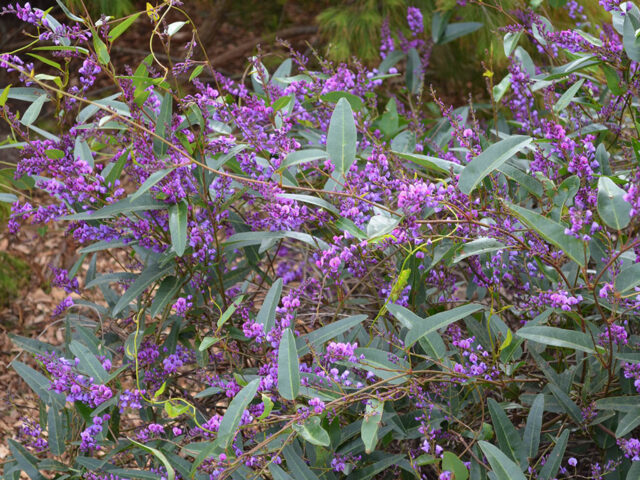
To truly thrive, native sarsaparilla requires an environment that closely mirrors its natural woodland home. Understanding these preferences is the cornerstone of successful cultivation.
-
Light Requirements: Sarsaparilla is a shade-loving plant. It typically flourishes in partial to deep shade, mimicking the dappled sunlight that filters through the canopy of mature trees. Direct, intense sunlight can scorch its leaves and stress the plant. Consider planting it under deciduous trees, in north-facing borders, or in areas that receive shade for the majority of the day.
-
Soil Preferences: Rich, moist, well-drained soil is paramount. Native sarsaparilla thrives in soils that are high in organic matter, mimicking the humus-rich forest floor. A slightly acidic to neutral pH (5.5-7.0) is generally preferred. Incorporating compost, leaf mold, or well-rotted manure into your planting bed will significantly improve soil structure and fertility, creating an ideal environment for its rhizomatous growth. Avoid heavy clay soils that can become waterlogged, as this can lead to root rot.
-
Moisture Levels: Consistent moisture is crucial, especially during the establishment phase. The soil should be kept evenly moist but not waterlogged. While it appreciates humidity, it can tolerate short periods of dryness once established, provided it’s in a shady location. Mulching around the base of the plant will help retain soil moisture, suppress weeds, and regulate soil temperature.
-
Temperature and Hardiness: Native sarsaparilla is a hardy perennial, typically thriving in USDA hardiness zones 3-8. It can withstand significant cold and is well-suited to a variety of climates within these zones.

Planting Your Native Sarsaparilla: A Gentle Introduction
The success of your sarsaparilla begins with careful planting.
-
Timing: The best time to plant native sarsaparilla is during the early spring as soon as the ground can be worked, or in the early fall to allow the roots to establish before winter.
-
Planting Method:
- From Seed: While possible, germinating sarsaparilla seeds can be a lengthy and challenging process due to their need for stratification. It’s often more practical for home gardeners to acquire established plants or rhizomes.
- From Divisions/Rhizomes: This is the most common and effective method.
- Prepare the Site: Loosen the soil to a depth of at least 8-12 inches and amend it generously with organic matter.
- Planting Depth: Plant the rhizomes about 1-2 inches deep, ensuring that any growing points or buds are facing upwards. Space plants 1-2 feet apart, as they will spread over time.
- Water Thoroughly: After planting, water the area deeply to settle the soil and eliminate air pockets.
-
Container Growing: Native sarsaparilla can also be grown in containers, especially if you have limited garden space or wish to control its spread. Use a large pot with good drainage and a well-draining potting mix rich in organic matter. Ensure the container is placed in a shady location.
Essential Care: Nurturing Growth and Vibrancy
Once planted, providing consistent care will ensure your native sarsaparilla flourishes.
-
Watering: Water regularly, especially during dry spells, aiming to keep the soil consistently moist. The frequency will depend on your climate and soil type. Check the soil moisture by inserting your finger a few inches deep; if it feels dry, it’s time to water. Water at the base of the plant to avoid wetting the foliage, which can help prevent fungal diseases.
-
Fertilization: Native sarsaparilla is not a heavy feeder. Over-fertilization can lead to weak, leggy growth. A light application of organic compost or a balanced, slow-release organic fertilizer in the spring, as new growth emerges, is usually sufficient. Avoid synthetic fertilizers, which can be too harsh for this woodland native.
-
Mulching: A layer of organic mulch (such as shredded bark, leaf mold, or compost) around the base of the plant is highly beneficial. This helps retain moisture, suppress weeds, insulate the roots from temperature fluctuations, and gradually enriches the soil as it decomposes.
-
Pruning: Generally, native sarsaparilla requires minimal pruning. Remove any dead or damaged foliage in the late fall or early spring. If the plant becomes too dense or you wish to control its spread, you can divide the rhizomes during the dormant season.
Pest and Disease Management: Vigilance and Prevention
Native sarsaparilla is generally a robust plant, but like all plants, it can be susceptible to certain issues.
-
Common Pests:
- Slugs and Snails: These mollusks can be attracted to the tender new growth. Hand-picking them off in the early morning or evening is an effective method. Using slug bait (organic options are available) can also help.
- Aphids: While not a common major threat, aphids can occasionally infest new shoots. A strong spray of water or insecticidal soap can usually manage them.
-
Common Diseases:
- Fungal Diseases (e.g., Powdery Mildew): These can occur in humid conditions with poor air circulation. Ensuring good air flow around the plants and watering at the base can help prevent them. If symptoms appear, remove affected leaves and consider using a fungicide (organic options are available).
-
Prevention is Key: The best defense against pests and diseases is to provide optimal growing conditions. A healthy, well-cared-for plant is more resilient. Proper watering, good soil drainage, and adequate air circulation are crucial preventative measures.
Propagation: Expanding Your Sarsaparilla Patch
Propagating native sarsaparilla is a satisfying way to increase your stock or share with fellow gardeners.
-
Division of Rhizomes: This is the most successful method.
- Timing: The best time for division is during the dormant season, either in late fall after the foliage has died back or in early spring before new growth begins.
- Process: Carefully dig up the plant, exposing the rhizomes. Use a clean, sharp spade or knife to divide the rhizome into sections, ensuring each section has at least one bud or growing point.
- Replanting: Replant the divided sections immediately in prepared soil, following the planting instructions outlined earlier. Water thoroughly.
-
Seed Propagation (Challenging):
- Collection and Stratification: Collect seeds from ripe berries in the fall. The seeds require a period of cold stratification (mimicking winter conditions) followed by warm stratification (mimicking spring) to germinate. This process can take several months and is often best done by experienced seed propagators.
- Sowing: Sow stratified seeds in a well-draining seed-starting mix and keep them consistently moist and in a cool location. Germination can be erratic and may take a year or more.
Traditional Uses and Culinary Potential
Native sarsaparilla holds a place in traditional medicine and has some culinary applications, though these should be approached with caution and research.
-
Traditional Medicine: For centuries, various indigenous cultures and early settlers have used sarsaparilla for its purported medicinal properties. The roots and rhizomes were traditionally used to create teas and tinctures, believed to have properties for treating ailments such as skin conditions, inflammatory issues, and as a general tonic. It is crucial to note that any medicinal use should be discussed with a qualified healthcare professional and conducted with thorough research and understanding of potential contraindications and dosages.
-
Culinary Uses:
- Flavoring: The roots of Aralia nudicaulis have a distinct aroma and flavor that has been historically used to create a root beer-like beverage. This involved boiling the roots and sweetening the resulting infusion.
- Berries: The dark purple to black berries are edible when ripe, though they are often described as having a mild, slightly bitter flavor. They can be used in small quantities in jams, jellies, or as a garnish, but their primary value is often ornamental. As with any wild edible, proper identification and preparation are paramount to avoid any potential toxicity.
Recipes: A Taste of Sarsaparilla (Use with Caution and Knowledge)
While not a staple ingredient in modern cuisine, here are some historical and potential recipes that showcase the flavor of native sarsaparilla. Remember to thoroughly research and ensure the safety and proper preparation of any wild ingredients before consumption.
1. Sarsaparilla Root Tea (Historical Beverage)
This recipe aims to recreate the traditional root beer-like flavor.
Yields: Approximately 1 gallon
Prep time: 30 minutes (plus steeping time)
Ingredients:
- 1 cup dried and chopped native sarsaparilla roots (ensure proper identification and sourcing)
- 8 cups water
- 1 cup sugar (or to taste; historically, molasses or honey were also used)
- 1/4 teaspoon yeast (optional, for slight carbonation)
Instructions:
- Boil the Roots: In a large pot, combine the dried sarsaparilla roots and water. Bring to a boil, then reduce heat and simmer for 20-30 minutes, or until the liquid is deeply colored and aromatic.
- Strain: Strain the liquid through a fine-mesh sieve or cheesecloth to remove the root fragments. Discard the roots.
- Sweeten: Return the liquid to the pot and stir in the sugar until completely dissolved. Taste and adjust sweetness as needed.
- Cool: Allow the liquid to cool to room temperature.
- Ferment (Optional): If using yeast for a slight effervescence, stir it in at this stage. Pour the mixture into a clean, food-grade container (like a large glass jug). Cover loosely with cheesecloth or a breathable lid and let it sit at room temperature for 1-2 days. Monitor for slight bubbling.
- Bottle and Chill: If you fermented, strain the liquid again and bottle it in clean glass bottles, leaving some headspace. Cap tightly and refrigerate. If not fermenting, simply bottle the sweetened liquid and refrigerate.
- Serve: Serve chilled. The flavor is often described as earthy, slightly bitter, and reminiscent of traditional root beer.
2. Sarsaparilla Berry Jam (Experimental)
This is a more experimental recipe, as the berries are not typically used in large quantities.
Yields: Approximately 2 cups
Prep time: 20 minutes
Cook time: 30-45 minutes
Ingredients:
- 2 cups ripe native sarsaparilla berries (ensure proper identification)
- 1/4 cup water
- 1 cup sugar (adjust to taste)
- 1 tablespoon lemon juice (for pectin activation and brightness)
Instructions:
- Prepare Berries: Gently rinse the sarsaparilla berries.
- Simmer Berries: In a saucepan, combine the berries and water. Bring to a gentle simmer over medium heat and cook for about 10-15 minutes, until the berries begin to soften and release their juices.
- Mash and Strain (Optional): You can mash the berries for a smoother jam or leave them whole for a more textured preserve. For a smoother jam, you can strain the mixture through a sieve, pressing on the solids to extract more juice.
- Cook the Jam: Return the berry mixture (or strained juice) to the saucepan. Add the sugar and lemon juice. Stir well to dissolve the sugar.
- Boil and Set: Bring the mixture to a rolling boil over high heat, stirring constantly. Continue to boil for 15-25 minutes, or until the jam reaches the setting point (a small amount dropped on a chilled plate should wrinkle when pushed).
- Jar and Seal: Carefully ladle the hot jam into clean, sterilized jars. Wipe the rims clean and secure the lids. Process in a boiling water bath for 10 minutes (or follow standard jam-making procedures for your region).
- Cool and Store: Allow the jars to cool completely before storing in a cool, dark place. Refrigerate after opening.
Conclusion: A Rewarding Endeavor
Cultivating native sarsaparilla is more than just gardening; it’s an invitation to connect with a piece of natural history. By understanding its delicate needs and providing the right environment, you can foster a thriving patch of this intriguing woodland plant. Its subtle beauty, ecological contributions, and potential for traditional uses make native sarsaparilla a truly rewarding addition to any shade garden, offering a glimpse into the quiet magic of the wild. As you nurture this plant, you’ll discover a deeper appreciation for the resilience and understated elegance of our native flora.


