
Cultivating the Greens of Your Heritage: Native Spinach Varieties for Sale
In a world increasingly focused on sustainable living, food security, and the rediscovery of our agricultural roots, the humble spinach plant is experiencing a renaissance. Beyond the common varieties readily available in supermarkets, lies a rich tapestry of native spinach plants, each with its unique flavor profile, resilience, and ecological significance. These aren’t just vegetables; they are living pieces of our agricultural heritage, waiting to be cultivated in our gardens and kitchens. If you’re looking to connect with your local ecosystem, enhance your culinary experiences, and grow food that thrives in your specific climate, then exploring native spinach varieties for sale is a journey worth taking.
Why Choose Native Spinach?
The appeal of native spinach extends far beyond novelty. Here are compelling reasons to consider integrating these remarkable plants into your gardening and dietary practices:
- Adaptability and Resilience: Native plants have evolved over millennia to thrive in their indigenous environments. This means native spinach varieties are often remarkably well-suited to your local soil conditions, rainfall patterns, and pest pressures. They typically require less intensive care, fewer chemical interventions, and are more resistant to common diseases, making them ideal for organic gardening and for those seeking low-maintenance options.
- Biodiversity and Ecological Support: By choosing native plants, you contribute to the preservation of local biodiversity. These spinach varieties provide food and habitat for native insects, birds, and other wildlife, playing a vital role in supporting healthy ecosystems. In a time of significant environmental challenges, every native plant we grow makes a difference.
- Unique Culinary Experiences: Native spinach often boasts distinct flavor profiles that can differ significantly from their more common counterparts. Some may have a stronger, earthier taste, while others might offer a milder, slightly sweeter, or even peppery note. Exploring these unique flavors can elevate your cooking and introduce you to a world of culinary possibilities.
- Nutritional Value: While most spinach is packed with vitamins and minerals, some native varieties may offer unique nutritional advantages or higher concentrations of specific nutrients. Research into the phytochemicals and micronutrients of these plants is ongoing, promising even more reasons to embrace them.
- Preservation of Agricultural Heritage: Many native spinach varieties are linked to traditional farming practices and cultural foodways. Growing them is a way to honor and preserve this valuable heritage for future generations. It’s about reconnecting with the plants that sustained our ancestors.
- Cost-Effectiveness and Sustainability: Once established, native spinach plants can be incredibly cost-effective. They often self-seed, produce prolifically, and require minimal inputs, reducing your reliance on external resources and contributing to a more sustainable food system.
Exploring the World of Native Spinach Varieties
The term "native spinach" can encompass a broad range of plants that share spinach-like qualities but originate from different geographical regions. While the most common spinach we know is Spinacia oleracea, native to Persia, many other delicious and nutritious leafy greens are often referred to as "native spinach" due to their similar culinary use and growth habits. Here are a few examples of native or indigenous greens that are gaining popularity and are often available for sale:
-
New Zealand Spinach (Tetragonia tetragonioides): This is perhaps the most well-known and widely cultivated "native spinach." Originating from the coastlines of Australia and New Zealand, it’s a robust, sprawling plant that thrives in warm weather and tolerates coastal conditions, including salty air and sandy soils. Unlike true spinach, it doesn’t bolt (go to seed) in the heat, making it a fantastic summer alternative. Its leaves are slightly thicker and have a mild, slightly salty flavor. It’s incredibly productive and can be harvested continuously throughout the growing season.
-
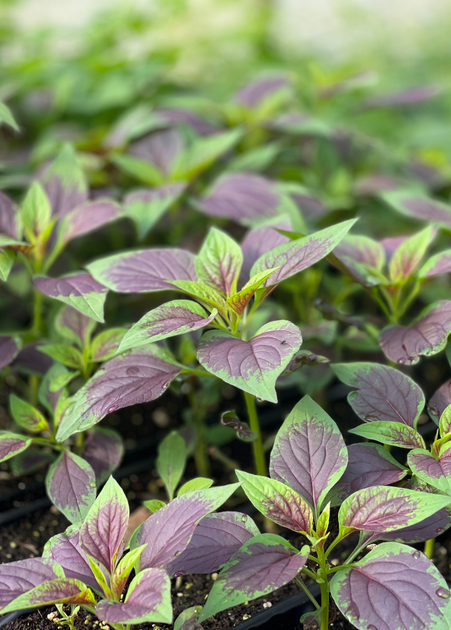
Malabar Spinach (Basella alba / Basella rubra): Native to tropical Asia, Malabar spinach is a vigorous, climbing vine that offers a succulent texture and a slightly mucilaginous quality when cooked, similar to okra. It thrives in heat and humidity and is an excellent choice for warmer climates. The red-stemmed variety (Basella rubra) is particularly attractive, with vibrant crimson stems and leaf veins. Its flavor is mild and slightly peppery. It’s a fantastic addition to stir-fries, soups, and curries.
-
Mountain Spinach (Atriplex hortensis): Also known as orache, mountain spinach is native to Central Asia and parts of Europe. It’s a hardy plant that can tolerate cooler temperatures and even light frost. It grows tall and bushy, producing large, tender leaves with a mild, earthy flavor. It’s a great alternative to true spinach in cooler seasons and can also be used as a decorative edible plant in the garden.
-
Good King Henry (Chenopodium bonus-henricus): This perennial native to Europe and Western Asia is a truly fascinating and underutilized edible. It’s a hardy plant that produces large, triangular, slightly fuzzy leaves and edible flower stalks in the spring. The flavor is often described as a cross between spinach and asparagus, with a pleasant, slightly bitter undertone. It’s a fantastic choice for permaculture gardens due to its perennial nature and ability to naturalize.
-
Lamb’s Quarters (Chenopodium album): While often considered a "weed" in many parts of the world, lamb’s quarters is a highly nutritious and delicious wild edible native to Europe and Asia, now naturalized globally. It’s a fast-growing plant with tender leaves that have a mild, spinach-like flavor. It’s an excellent source of vitamins and minerals and is a prime example of a readily available native green that can be easily cultivated or foraged.
Where to Find Native Spinach Plants for Sale
The availability of native spinach varieties can vary depending on your location and the season. However, here are common avenues for sourcing these valuable plants:
- Specialty Seed Companies: Many online seed companies focus on heirloom, organic, and regionally adapted varieties. Searching for "native spinach seeds," "heirloom greens," or specific plant names like "New Zealand spinach seeds" will yield numerous options.
- Local Nurseries and Garden Centers: Increasingly, local nurseries are recognizing the demand for native and edible plants. inquire about their selection of leafy greens, and you might be surprised by what they offer.
- Farmers Markets: Local farmers often sell seedlings or seeds of the plants they grow, including native greens. This is a fantastic way to support local agriculture and get plants adapted to your area.
- Online Marketplaces and Gardening Forums: Platforms like Etsy, eBay, and dedicated gardening forums can be excellent places to find individual growers selling seeds or small plants.
- Native Plant Societies and Seed Swaps: These organizations are invaluable resources for discovering and acquiring native plants. They often host events where members can trade seeds and plants, providing access to a wide array of locally adapted varieties.
- Seed Libraries: Some communities have seed libraries where you can borrow seeds for free and then return seeds from your successful harvests, fostering a cycle of sharing and preservation.
Cultivating Your Native Spinach
The cultivation of native spinach varieties is generally straightforward, but understanding their specific needs will ensure success:
- Sunlight: Most native spinach varieties prefer full sun to partial shade. In hotter climates, some afternoon shade can be beneficial to prevent bolting.
- Soil: Well-draining soil is crucial for all spinach types. Native varieties are often adaptable to various soil types, but improving your soil with compost will always enhance growth and yield.
- Watering: Consistent moisture is important, especially during dry spells. However, avoid overwatering, which can lead to root rot.
- Spacing: Follow the spacing recommendations on seed packets or plant tags. Overcrowding can lead to reduced air circulation and increased disease risk.
- Pest and Disease Management: Due to their native adaptability, these plants often have fewer pest and disease issues. However, monitor for common garden pests like aphids and slugs, and implement organic control methods if necessary. Companion planting with beneficial herbs can also help deter pests.
- Harvesting: Harvest outer leaves regularly to encourage continuous growth. For most varieties, you can begin harvesting when the plants are about 6-8 inches tall.
Culinary Delights: Recipes Featuring Native Spinach
One of the most rewarding aspects of growing native spinach is incorporating its unique flavors into your cooking. Here are some recipe ideas to get you started:
Recipe Collection: Celebrating Native Spinach
This collection offers simple yet delicious ways to enjoy the diverse flavors of your homegrown native spinach. Feel free to substitute different native spinach varieties based on what you have available and their flavor profiles.
1. Simple Sautéed New Zealand Spinach
- Best for: New Zealand Spinach, Lamb’s Quarters, Mountain Spinach
- Flavor Profile: Mild, slightly salty, earthy
Ingredients:
- 1 lb fresh native spinach leaves, washed and roughly chopped
- 2 tablespoons olive oil or butter
- 2 cloves garlic, minced
- Pinch of red pepper flakes (optional)
- Salt and freshly ground black pepper to taste
- Squeeze of fresh lemon juice (optional)
Instructions:
- Heat olive oil or butter in a large skillet or wok over medium-high heat.
- Add minced garlic and red pepper flakes (if using) and sauté for about 30 seconds until fragrant, being careful not to burn the garlic.
- Add the chopped native spinach to the skillet. It will seem like a lot, but it will wilt down considerably.
- Stir and toss the spinach until it begins to wilt, which should take about 2-4 minutes.
- Season with salt and pepper to taste.
- For an extra burst of freshness, squeeze a little lemon juice over the spinach just before serving.
- Serve hot as a side dish to any meal.
2. Malabar Spinach & Coconut Curry
- Best for: Malabar Spinach
- Flavor Profile: Succulent, slightly peppery, creamy
Ingredients:
- 1 lb fresh Malabar spinach leaves and tender stems, washed and cut into 2-inch pieces
- 1 tablespoon coconut oil or vegetable oil
- 1 small onion, finely chopped
- 2 cloves garlic, minced
- 1-inch piece of ginger, grated
- 1 teaspoon curry powder (or your favorite blend)
- ½ teaspoon ground turmeric
- ¼ teaspoon ground cumin
- 1 (13.5 oz) can full-fat coconut milk
- Salt to taste
- Fresh cilantro, chopped, for garnish (optional)
- Cooked rice, for serving
Instructions:
- Heat coconut oil in a large pot or Dutch oven over medium heat.
- Add the chopped onion and sauté until softened, about 5-7 minutes.
- Stir in the minced garlic and grated ginger and cook for another minute until fragrant.
- Add the curry powder, turmeric, and cumin, and cook for 30 seconds, stirring constantly, until fragrant.
- Pour in the coconut milk and bring to a gentle simmer.
- Add the Malabar spinach pieces to the pot. Stir them into the coconut milk mixture.
- Simmer gently for 5-10 minutes, or until the Malabar spinach is tender but not mushy. Malabar spinach cooks relatively quickly.
- Season with salt to taste.
- Serve hot over cooked rice, garnished with fresh cilantro if desired.
3. Hearty Good King Henry and White Bean Stew
- Best for: Good King Henry, Mountain Spinach
- Flavor Profile: Earthy, slightly bitter, robust
Ingredients:
- 8 oz fresh Good King Henry leaves and tender stems, washed and roughly chopped (discard any tough, woody stems)
- 1 tablespoon olive oil
- 1 medium carrot, diced
- 1 celery stalk, diced
- 1 small onion, chopped
- 2 cloves garlic, minced
- 1 (15 oz) can cannellini beans or other white beans, rinsed and drained
- 4 cups vegetable broth or chicken broth
- 1 teaspoon dried thyme
- Salt and freshly ground black pepper to taste
- Crusty bread, for serving
Instructions:
- Heat olive oil in a large pot or Dutch oven over medium heat.
- Add the diced carrot, celery, and chopped onion. Sauté until softened, about 8-10 minutes.
- Stir in the minced garlic and cook for another minute until fragrant.
- Add the rinsed and drained white beans, vegetable broth, and dried thyme to the pot.
- Bring the stew to a simmer, then reduce heat and cook for 10 minutes to allow the flavors to meld.
- Add the chopped Good King Henry leaves and stems to the pot. Stir them into the stew.
- Simmer for another 5-10 minutes, or until the Good King Henry is tender.
- Season generously with salt and freshly ground black pepper to taste.
- Serve hot with crusty bread for dipping.
4. Quick Spinach and Feta Pastries (using any native spinach)
- Best for: Any native spinach variety, especially if you have a generous harvest.
- Flavor Profile: Savory, salty, herbaceous
Ingredients:
- 1 cup cooked and well-drained native spinach (sautéed or blanched), finely chopped
- ½ cup crumbled feta cheese
- 1 tablespoon chopped fresh dill or parsley
- 1 egg, lightly beaten
- Pinch of nutmeg (optional)
- Salt and freshly ground black pepper to taste
- 1 sheet of puff pastry, thawed
- 1 egg yolk, beaten with 1 tablespoon water (for egg wash)
Instructions:
- Preheat your oven to 400°F (200°C). Line a baking sheet with parchment paper.
- In a medium bowl, combine the finely chopped cooked native spinach, crumbled feta cheese, fresh dill or parsley, lightly beaten egg, nutmeg (if using), salt, and pepper. Mix well.
- Unroll the thawed puff pastry sheet onto a lightly floured surface.
- Cut the puff pastry into desired shapes (squares, rectangles, or circles).
- Spoon about 1-2 tablespoons of the spinach and feta mixture onto one half of each pastry shape, leaving a small border.
- Fold the other half of the pastry over the filling and crimp the edges with a fork to seal.
- Place the filled pastries onto the prepared baking sheet.
- Brush the tops of the pastries with the egg wash.
- Bake for 15-20 minutes, or until the pastries are golden brown and puffed up.
- Let cool slightly before serving. These are delicious warm or at room temperature.
Embrace the Green Revolution in Your Own Backyard
The decision to grow and consume native spinach is more than just a culinary choice; it’s a step towards a more resilient, sustainable, and connected way of living. By seeking out and nurturing these plants, you not only enrich your diet with nutritious and delicious greens but also contribute to the health of your local environment and the preservation of valuable agricultural heritage. So, the next time you’re planning your garden or looking for new ingredients to inspire your cooking, consider the extraordinary world of native spinach plants for sale. You might just discover your new favorite green.


