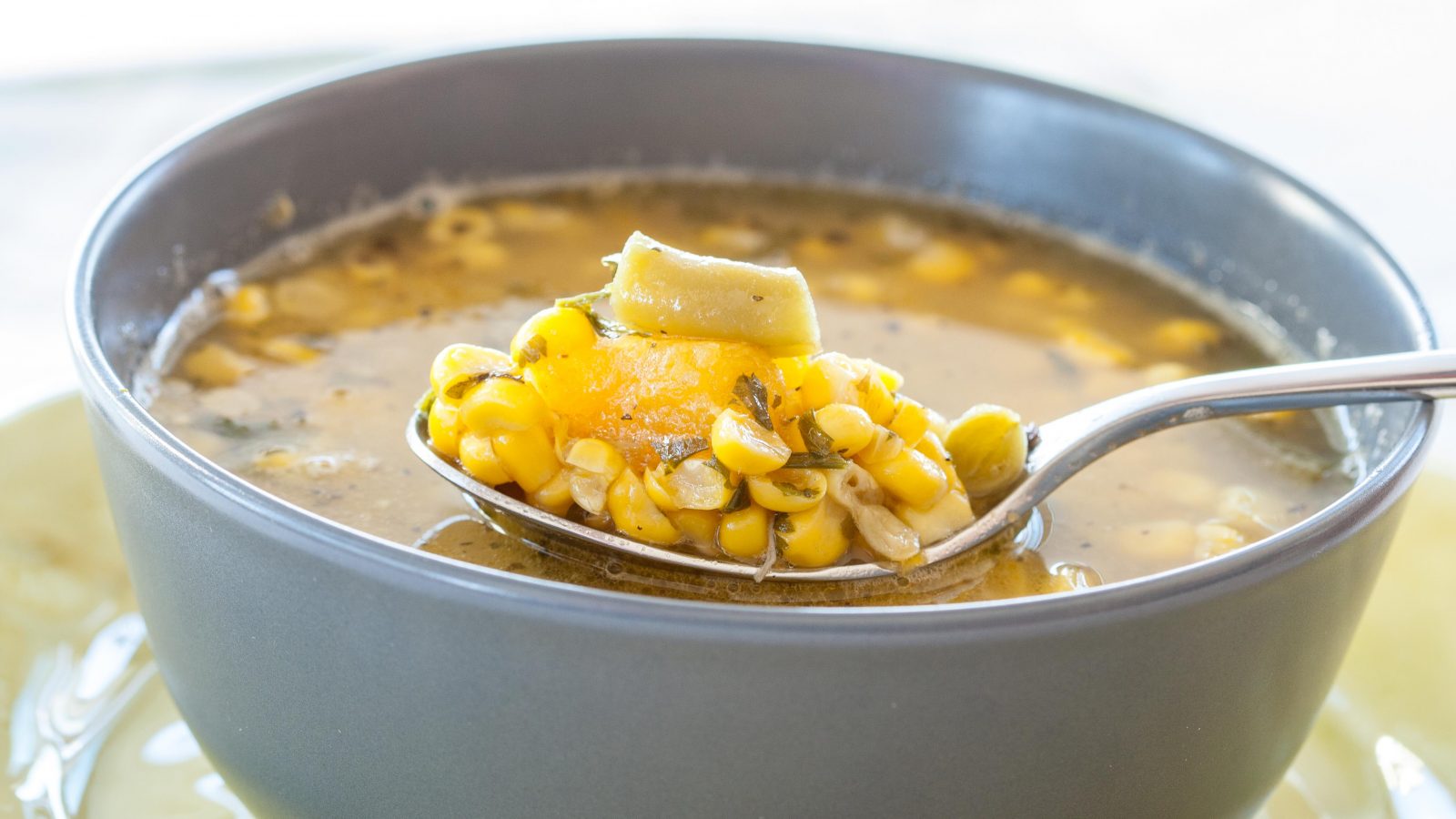
Step into a world where food is not just sustenance, but a story, a tradition, and a spiritual connection to the earth. The Iroquois Three Sisters Soup is more than just a meal; it’s a vibrant tapestry of history, sustainability, and profound flavor that has nourished generations.
Imagine a bowl brimming with the bounty of the land: sweet corn, hearty beans, and tender squash, harmoniously combined in a rich, comforting broth. This soup embodies the ingenious agricultural practices of the Haudenosaunee (Iroquois) people, who understood the symbiotic relationship between these three crops long before modern science articulated it.
The ‘Three Sisters’ – corn, beans, and squash – were planted together in a mutually beneficial system. Corn provides a stalk for beans to climb, beans fix nitrogen in the soil, and squash leaves provide ground cover, retaining moisture and deterring weeds. This ancient wisdom yielded abundant harvests and became the cornerstone of their diet, celebrated in dishes like this very soup.
Serving this soup is an invitation to partake in a cultural legacy, a moment to appreciate the wisdom of Indigenous foodways. It’s perfect for a crisp autumn evening, a gathering of family and friends, or simply as a wholesome, comforting meal that transcends seasons.
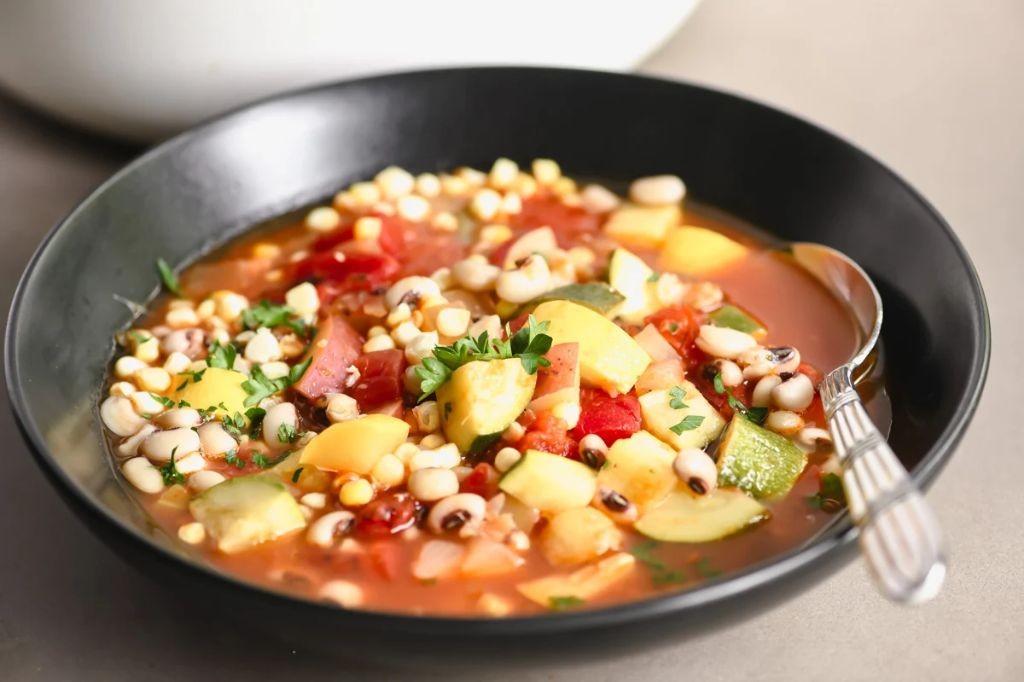
This recipe aims to be your anti-fail guide to creating a truly authentic and delicious Iroquois Three Sisters Soup, bringing a piece of this remarkable heritage to your table.
Estimated Cooking Time: Approximately 1 hour 30 minutes (30 minutes prep, 1 hour cook time).
Tingkat Kesulitan (Difficulty Level): Easy to Medium. Requires basic knife skills and patience for simmering.
Jumlah Porsi (Yields): 6-8 generous servings.
The essence of a truly great soup lies in the quality and freshness of its ingredients. For this traditional Iroquois Three Sisters Soup, we prioritize natural goodness, ensuring each component shines.
- 2 cups fresh or frozen corn kernels (if using frozen, do not thaw)
- 1 cup dried kidney beans or navy beans, soaked overnight and drained (or 2 cans, 15oz each, rinsed and drained for quicker prep)
- 1 medium butternut squash (about 2-3 lbs), peeled, seeded, and cut into 1-inch cubes
- 8 cups vegetable broth (or chicken broth for a non-vegetarian option)
- 2 tablespoons olive oil or traditional animal fat (e.g., bear fat, if available and desired)
- 1 large yellow onion, finely chopped
- 3 cloves garlic, minced
- 2 stalks celery, diced
- 2 medium carrots, peeled and diced
- 1 teaspoon dried sage
- 1/2 teaspoon dried thyme
- 1 bay leaf
- Salt and freshly ground black pepper to taste
- 1/2 cup cooked wild rice (for added texture and authenticity)
- 1/4 cup fresh parsley or cilantro, chopped (for garnish)
- 1-2 tablespoons pure maple syrup (for a subtle touch of sweetness, balancing flavors)
- 1/2 cup cooked, shredded lean protein (e.g., venison, smoked turkey, or sautéed mushrooms for vegetarian)

-
Prepare the Beans: If using dried beans, ensure they have been soaked overnight and rinsed thoroughly. If you’re short on time, canned beans are a perfectly acceptable alternative; just make sure they are well-rinsed.
-
Sauté Aromatics: In a large Dutch oven or heavy-bottomed pot, heat the olive oil (or animal fat) over medium heat. Add the chopped onion, celery, and carrots. Sauté for 8-10 minutes, stirring occasionally, until the vegetables begin to soften and the onion becomes translucent. This step is crucial for building a flavorful base.
-
Infuse with Garlic and Herbs: Add the minced garlic, dried sage, and dried thyme to the pot. Cook for another 1-2 minutes until fragrant, being careful not to burn the garlic. The aroma will be wonderfully inviting.
-
Add Broth and Beans: Pour in the vegetable broth and add the soaked and drained dried beans (if using). If using canned beans, you will add them later with the squash.
-
Simmer the Base: Bring the mixture to a gentle boil, then reduce the heat to low, cover the pot, and let it simmer for 30-40 minutes if using dried beans. This allows the beans to soften and the flavors to meld. If using canned beans, proceed to the next step after bringing to a simmer for 5 minutes.
-
Introduce the Squash: Carefully add the cubed butternut squash and the bay leaf to the pot. If you are using canned beans, add them now as well. Stir gently to combine.
-
Continue Simmering: Cover the pot again and continue to simmer for another 20-25 minutes, or until the squash is tender when pierced with a fork. The exact time will depend on the size of your squash cubes.
-
Add the Corn: Stir in the corn kernels (fresh or frozen). Cook for an additional 5-7 minutes, or until the corn is tender-crisp and heated through. Avoid overcooking the corn to maintain its sweetness and texture.
-
Season and Adjust: Remove the bay leaf. Taste the soup and season generously with salt and freshly ground black pepper. This is also the stage where you can stir in the optional maple syrup for a subtle, authentic sweetness that complements the vegetables beautifully.
-
Optional Protein: If desired, stir in any pre-cooked lean protein (venison, smoked turkey, or sautéed mushrooms) during the last 5 minutes of cooking to ensure it’s heated through.
-
Final Touches: Ladle the hot soup into bowls. Garnish with chopped fresh parsley or cilantro and a sprinkle of cooked wild rice, if using. Serve immediately and enjoy the warmth of this traditional dish.
- The Power of Soaking Beans: While canned beans are convenient, properly soaked and cooked dried beans offer a superior texture and flavor. Soaking also aids in digestibility. Don’t skip rinsing them after soaking!
- Layering Flavors is Key: Don’t rush the sautéing of your aromatics (onion, celery, carrots, garlic). Allowing them to soften and slightly caramelize builds a deep, foundational flavor profile for your soup.
- Squash Selection and Prep: Choose a firm, heavy squash with no soft spots. For an even richer flavor, consider roasting the squash cubes separately with a drizzle of olive oil before adding them to the soup. This adds a lovely nutty depth.
- Maple Syrup’s Subtle Magic: A small amount of pure maple syrup (not pancake syrup) is a traditional Iroquois sweetener. It doesn’t make the soup sweet, but rather enhances the natural sweetness of the corn and squash, creating a beautifully balanced flavor profile.
- Patience for Perfection: Good soup takes time. Allowing the ingredients to simmer slowly over a low heat allows their flavors to meld and deepen, resulting in a more complex and satisfying broth. Avoid high heat once everything is in the pot.
- Taste, Taste, Taste: Always taste your soup before serving and adjust seasonings as needed. Different broths and ingredients can affect the final saltiness and flavor balance.
- Calories: 250-350 kcal
- Protein: 12-18g
- Fat: 5-10g
- Carbohydrates: 40-50g
- Fiber: 10-15g
This soup is a powerhouse of nutrition, rich in dietary fiber from the beans, corn, and squash, which aids in digestion and promotes satiety. It’s an excellent source of vitamins, including Vitamin A (from squash and carrots) and Vitamin C (from corn and squash), as well as essential minerals like potassium and magnesium.
The combination of corn and beans provides a complete protein, making it an incredibly nourishing and fulfilling vegetarian meal. Adding lean protein like venison further boosts the protein content, while maintaining a healthy fat profile.
The ‘Three Sisters’ agricultural system itself is a testament to sustainable living and deep ecological understanding. It’s a reminder that food can be grown and prepared in a way that respects the earth and nourishes the body and spirit simultaneously.
This dish is more than just a recipe; it’s an educational journey into the heart of Indigenous American cuisine, showcasing ingenuity, respect for nature, and the timeless art of creating wholesome, delicious food.
We encourage you to experiment with regional variations of squash or beans, or even introduce a pinch of traditional smoked paprika for a modern twist that still honors the earthy flavors. Serve it with a side of traditional cornbread for a truly authentic and satisfying meal.
Embrace the warmth and wisdom of the Iroquois people with every spoonful of this Three Sisters Soup. It’s a dish that connects us to history, to nature, and to the enduring power of good food shared with loved ones. Enjoy your culinary journey!
By following this comprehensive and anti-fail guide, you’re not just cooking; you’re participating in a rich cultural tradition, bringing a piece of ancestral knowledge and comforting flavor to your modern table. May your soup be hearty and your spirit nourished.


:max_bytes(150000):strip_icc()/best-ever-succotash-recipe-3x4-61-c9230cceec7b4e15aeda6c213d42da12.jpg?w=200&resize=200,135&ssl=1 "Succotash: A Flavorful Fusion of Summer’s Best")
