
The Underrated Superfood: A Comprehensive Guide to Purslane Plant Care
In the vast world of edible plants, some shine brightly with their vibrant colors and well-known culinary uses. Others, however, quietly thrive in overlooked corners, offering a wealth of nutritional benefits and remarkable resilience. Among these unsung heroes is Purslane ( Portulaca oleracea ), a hardy succulent herb that has graced gardens and kitchens for centuries. Often dismissed as a common weed, purslane is, in fact, a nutritional powerhouse, packed with omega-3 fatty acids, vitamins, and minerals, making it a valuable addition to any diet. This comprehensive guide will delve into the intricacies of purslane plant care, ensuring you can cultivate this beneficial plant with ease and enjoy its many rewards.
Understanding Purslane: A Weed or a Wonder?
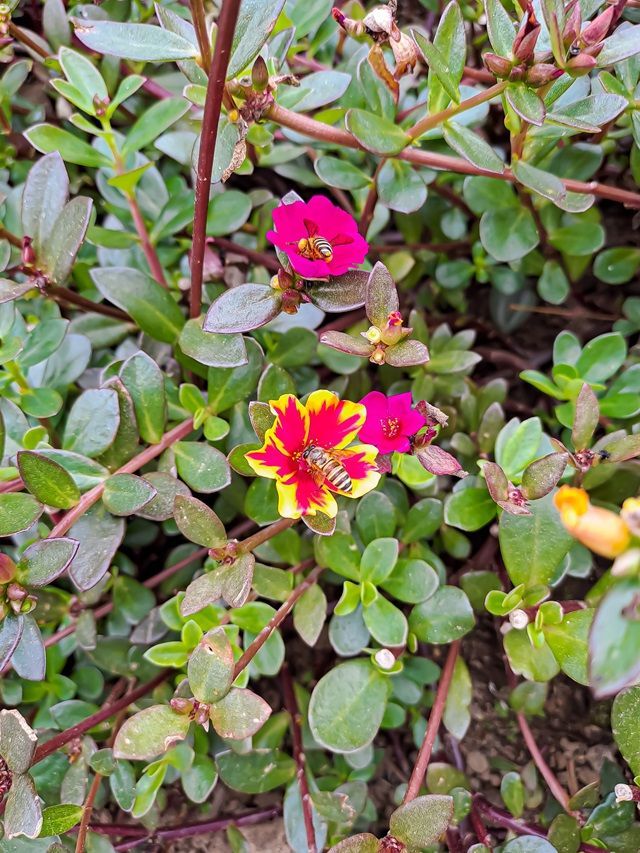
Before we embark on our journey of purslane cultivation, it’s essential to appreciate its unique characteristics. Purslane is a low-growing, spreading annual plant characterized by its fleshy, succulent leaves and stems. These succulent parts are a key adaptation, allowing it to store water and thrive in hot, dry conditions. Its small, ephemeral yellow flowers bloom briefly, typically opening in the morning sun and closing by midday.

Botanically classified as Portulaca oleracea, purslane is native to the Indian subcontinent and the Middle East, but its adaptability has led to its widespread distribution across the globe, often found in disturbed soils, cracks in pavements, and neglected garden beds. This very resilience is what makes it such an appealing plant for home gardeners, especially those seeking low-maintenance options.
Why Grow Purslane? The Nutritional Bounty
The "weed" label couldn’t be further from the truth when it comes to purslane’s nutritional profile. It is exceptionally rich in:
- Omega-3 Fatty Acids: Uniquely, purslane is one of the richest plant sources of alpha-linolenic acid (ALA), an essential omega-3 fatty acid crucial for heart health and reducing inflammation.
- Vitamins: It boasts significant amounts of Vitamin A, Vitamin C, and various B vitamins.
- Minerals: Purslane is a good source of potassium, magnesium, iron, and calcium.
- Antioxidants: Its vibrant green leaves are loaded with antioxidants like beta-carotene and tocopherols, which help combat oxidative stress.
- Fiber: The plant contributes to digestive health with its good fiber content.
This impressive nutritional makeup translates to a range of health benefits, including supporting cardiovascular health, boosting the immune system, promoting healthy vision, and aiding in detoxification.
Cultivating Your Own Purslane: A Step-by-Step Guide
Growing purslane is remarkably straightforward, even for novice gardeners. Its forgiving nature means it can adapt to various conditions, but providing optimal care will yield the most abundant harvest.
1. Choosing the Right Location: Sunshine is Key
Purslane absolutely thrives in full sun. It requires at least 6-8 hours of direct sunlight per day to grow vigorously and develop its best flavor. While it can tolerate some partial shade, the plants may become leggy, and the flavor might be less intense. Choose a sunny spot in your garden, balcony, or windowsill.
2. Soil Preferences: Adaptable and Well-Draining
One of purslane’s most endearing qualities is its adaptability to different soil types. It prefers well-draining soil, as it dislikes sitting in waterlogged conditions. Sandy or loamy soils are ideal. If you have heavy clay soil, amend it with compost or perlite to improve drainage. Purslane is not particularly fussy about soil fertility; it can even grow in poor soil. In fact, it often thrives in less fertile conditions, which can contribute to its slightly tangy flavor.
3. Planting Your Purslane: Seeds or Cuttings
You can propagate purslane from both seeds and cuttings:
-
From Seeds:
- Sowing: Purslane seeds are tiny and can be sown directly into the ground or in containers after the last frost. You can also start them indoors a few weeks before your last expected frost.
- Depth: Scatter the seeds thinly on the surface of the soil and lightly press them down. They don’t need to be buried deeply as they require light for germination.
- Spacing: If sowing directly, thin seedlings to about 6-8 inches apart. However, purslane naturally spreads, so a little overcrowding is usually not an issue and can create a lush ground cover.
- Germination: Germination typically occurs within 7-14 days.
-
From Cuttings:
- Taking Cuttings: You can easily propagate purslane from stem cuttings. Simply snip off a 3-4 inch piece of a healthy stem.
- Rooting: Remove the lower leaves and insert the cut end into moist soil or even a glass of water. Roots will form within a week or two.
- Transplanting: Once rooted, transplant the cuttings into your desired location.
4. Watering: Less is More
As a succulent, purslane is drought-tolerant. Overwatering is its biggest enemy. Allow the soil to dry out slightly between waterings. Water deeply when the top inch of soil feels dry to the touch. In very hot, dry climates, you might need to water more frequently, but always err on the side of caution. Container-grown purslane will likely require more frequent watering than those planted directly in the ground.
5. Fertilizing: Minimal Needs
Purslane is not a heavy feeder. In fact, too much fertilizer, especially nitrogen-rich ones, can lead to rapid, sappy growth with a less desirable flavor. If your soil is already reasonably fertile, you likely won’t need to fertilize at all. If you wish to give it a boost, a light application of a balanced liquid fertilizer diluted to half strength once or twice during the growing season should suffice.
6. Harvesting: Continuous and Generous
The beauty of purslane is that you can harvest it continuously throughout the growing season. Start harvesting once the plants are established and have a good amount of leafy growth.
- Method: Simply snip off stems and leaves with scissors or pruning shears. You can harvest whole stems or just individual leaves.
- Encouraging Growth: Harvesting regularly encourages the plant to produce more bushy growth. Avoid pulling up the entire plant, as this will end its production.
- Best Time: Harvest in the morning after the dew has dried for the freshest and most flavorful leaves.
7. Pest and Disease Management: Hardy and Resilient
Purslane is remarkably resistant to most pests and diseases. Its succulent nature and robust growth habit make it unappealing to many common garden invaders.
- Aphids: Occasionally, you might encounter aphids. These can usually be washed off with a strong spray of water or treated with insecticidal soap.
- Fungal Diseases: Poor drainage and overwatering can sometimes lead to fungal issues. Ensuring good air circulation and proper watering practices will prevent these problems.
- Weed Competition: In its early stages, purslane might face competition from faster-growing weeds. Keep the area around young purslane plants free of weeds.
8. Overwintering and Seed Saving
Purslane is an annual plant in most temperate climates and will die back with the first frost. However, it readily self-seeds, meaning new plants will often pop up in the same spot the following year.
- Seed Saving: If you want to ensure you have seeds for next year, allow some of the flowers to go to seed. Once the seed pods dry, you can collect them and store them in a cool, dry place.
- Overwintering (in milder climates): In regions with very mild winters, purslane might survive and continue to produce. You can also attempt to overwinter container-grown plants indoors in a sunny window.
Culinary Delights: Incorporating Purslane into Your Diet
The slightly tart, lemony flavor of purslane makes it a versatile ingredient in the kitchen. Its crisp texture is reminiscent of spinach or watercress, but with a unique tang.
Tips for Using Purslane:
- Raw: Purslane is excellent eaten raw in salads, adding a refreshing crunch and subtle sourness.
- Cooked: It can be lightly sautéed, steamed, or added to soups and stews. Overcooking will diminish its texture and flavor.
- Pestos and Dips: It can be blended into pestos, dips, and sauces.
- Garnishes: Use it as a vibrant garnish for various dishes.
Purslane Recipe Ideas
Here are some simple and delicious ways to enjoy your homegrown purslane:
1. Simple Purslane Salad
-
Ingredients:
- 2 cups fresh purslane leaves and tender stems, washed and dried
- 1/2 cup cherry tomatoes, halved
- 1/4 cup thinly sliced red onion
- 2 tablespoons crumbled feta cheese (optional)
- Dressing:
- 2 tablespoons olive oil
- 1 tablespoon lemon juice or apple cider vinegar
- 1/2 teaspoon Dijon mustard
- Salt and freshly ground black pepper to taste
-
Instructions:
- In a large bowl, combine purslane, cherry tomatoes, and red onion.
- In a small bowl, whisk together olive oil, lemon juice, Dijon mustard, salt, and pepper.
- Pour the dressing over the salad and toss gently to coat.
- Sprinkle with feta cheese, if using, and serve immediately.
2. Sautéed Purslane with Garlic
-
Ingredients:
- 2 cups fresh purslane leaves and tender stems, washed and dried
- 1 tablespoon olive oil
- 2 cloves garlic, minced
- Pinch of red pepper flakes (optional)
- Salt and freshly ground black pepper to taste
-
Instructions:
- Heat olive oil in a skillet over medium heat.
- Add minced garlic and red pepper flakes (if using) and sauté for about 30 seconds until fragrant, being careful not to burn the garlic.
- Add the purslane to the skillet. Cook, stirring, for 2-3 minutes until the purslane is just wilted.
- Season with salt and pepper. Serve as a side dish or as a topping for toast.
3. Purslane Pesto
-
Ingredients:
- 2 cups fresh purslane leaves and tender stems, washed and dried
- 1/4 cup toasted walnuts or pine nuts
- 1 clove garlic
- 1/4 cup grated Parmesan cheese
- 1/4 cup olive oil (or more, to reach desired consistency)
- Salt and freshly ground black pepper to taste
- Squeeze of lemon juice (optional)
-
Instructions:
- Combine purslane, nuts, and garlic in a food processor.
- Pulse until roughly chopped.
- Add Parmesan cheese and process again.
- With the food processor running, slowly drizzle in the olive oil until the pesto reaches your desired consistency.
- Season with salt, pepper, and a squeeze of lemon juice if desired.
- Serve with pasta, bread, or as a spread.
4. Purslane in Soups and Stews
- Instructions:
- Add a handful of purslane leaves and tender stems to your favorite vegetable soup, lentil stew, or chicken broth during the last 5-10 minutes of cooking. It will add a fresh, slightly tangy flavor and a boost of nutrients.
Conclusion: Embrace the Purslane Powerhouse
The common purslane, often overlooked, is a true testament to nature’s bounty. Its ease of cultivation, remarkable resilience, and impressive nutritional profile make it an invaluable plant for any gardener. By understanding its simple care requirements – ample sun, well-draining soil, and judicious watering – you can unlock a continuous supply of this superfood. So, the next time you spot purslane, don’t dismiss it as a weed. Instead, embrace it as a culinary and nutritional treasure, ready to enrich your garden and your plate. Happy growing and happy eating!


