The Golden Nugget: Unlocking the Richness of Quandong Kernel Roasting
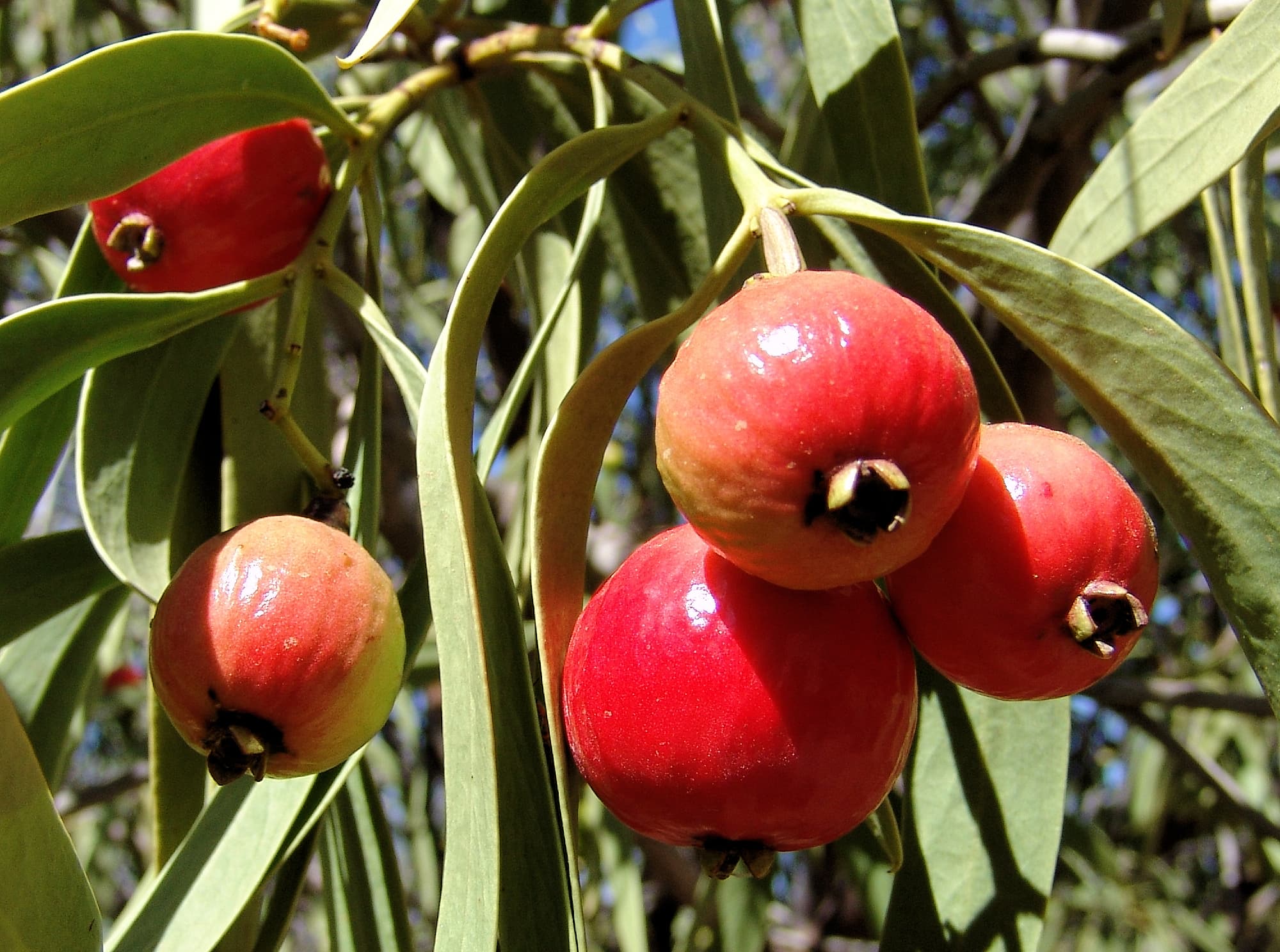
The quandong, a native Australian fruit, is a true gem of the outback. Often overlooked in favor of more globally recognized fruits, the quandong boasts a unique flavor profile – a delightful balance of tartness and subtle sweetness, with a hint of almond. While the fleshy outer part of the quandong is often the star of jams, pies, and sauces, its inner treasure, the kernel, holds a culinary secret waiting to be unveiled. Roasting quandong kernels transforms them into a versatile ingredient, offering a nutty depth and a satisfying crunch that can elevate a wide array of dishes.
This article delves into the fascinating world of quandong kernel roasting, exploring its history, the science behind the transformation, and practical methods for achieving perfectly roasted kernels. We will also venture into the exciting realm of culinary applications, providing recipe ideas that showcase the unique charm of this often-underappreciated ingredient.
A Glimpse into History and Tradition:

For millennia, Indigenous Australians have understood the value of the quandong. The kernels, once extracted and prepared, were a vital source of sustenance and nutrition. Traditional methods of preparation often involved meticulous hulling and then roasting, sometimes directly on embers or within heated sand. This process not only made the kernels more palatable but also preserved them for extended periods, crucial for survival in the often-harsh Australian landscape. The knowledge of quandong processing was passed down through generations, a testament to its importance in traditional diets and cultural practices.
The Science of Transformation: Why Roasting Works Wonders
The magic of roasting quandong kernels lies in the complex chemical reactions that occur under heat. Similar to other nuts and seeds, the process triggers several key transformations:
- Maillard Reaction: This is the primary driver of flavor development. The Maillard reaction is a non-enzymatic browning process that occurs between amino acids and reducing sugars when heated. It creates hundreds of new flavor compounds, contributing to the toasty, nutty, and slightly caramelized notes we associate with roasted foods. For quandong kernels, this reaction intensifies their inherent almond-like qualities and adds layers of complexity.
- Lipid Oxidation: The healthy fats present in quandong kernels undergo mild oxidation during roasting. This process can release volatile aromatic compounds that contribute to the rich aroma and distinct flavor profile. It’s a delicate balance; excessive heat can lead to rancidity, but controlled roasting enhances the desirable nutty notes.
- Moisture Evaporation: Roasting drives out moisture from the kernels. This not only creates a desirable crisp texture but also concentrates the flavors. The drier the kernel, the more pronounced its inherent taste becomes.
- Cellular Structure Changes: The heat alters the cellular structure of the kernel, making its internal components more accessible to our taste buds and contributing to its satisfying crunch.
Unlocking the Kernel: The Roasting Process
Extracting and roasting quandong kernels requires a degree of patience and care. The hard, woody shell surrounding the kernel is notoriously difficult to crack.
Step 1: Harvesting and Preparation
- Harvesting: Quandongs are typically harvested in late spring and summer. They are usually found growing on thorny shrubs in arid and semi-arid regions of Australia.
- Pulp Removal: Once harvested, the fleshy outer pulp of the quandong is removed. This can be done by hand, or by soaking the fruits in water, which helps to loosen the pulp. The pulp is often used for other culinary purposes.
- Drying: The cleaned quandong fruits, with the kernel still encased, are then dried. This can be done naturally in the sun or using a dehydrator at a low temperature. Drying makes the shell more brittle and easier to crack.
Step 2: Cracking the Shell
This is often the most challenging step. Traditional methods involve using a hammer or a heavy stone to carefully crack the shell. Modern approaches might involve:
- Nutcracker: A sturdy nutcracker can be effective, but requires careful handling to avoid crushing the delicate kernel inside.
- Vise: A small vise can also be used to apply controlled pressure.
- Hammer and Chisel: For those with a steady hand, a small hammer and chisel can be used to gently tap and break open the shell.
Safety Note: Always wear safety glasses when cracking quandong shells to protect your eyes from flying fragments.
Step 3: Roasting the Kernels
Once the kernels are freed from their shells, they are ready for roasting. There are several methods:
-
Oven Roasting (Recommended): This offers the most control and even cooking.
- Preheat your oven to a moderate temperature, around 150-160°C (300-320°F).
- Spread the quandong kernels in a single layer on a baking sheet lined with parchment paper.
- Roast for 10-20 minutes, or until they are fragrant and lightly golden. Keep a close eye on them as they can burn quickly.
- Allow them to cool completely on the baking sheet.
-
Pan Roasting:
- Heat a dry skillet over medium-low heat.
- Add the quandong kernels and toast, stirring frequently, for 5-10 minutes, or until fragrant.
- Remove from heat immediately and spread on a plate to cool.
-
Air Fryer Roasting:
- Preheat your air fryer to around 150°C (300°F).
- Place the quandong kernels in the air fryer basket in a single layer.
- Cook for 5-8 minutes, shaking the basket halfway through, until fragrant and lightly toasted.
- Allow to cool.
Tips for Perfect Roasting:
- Uniformity: Ensure kernels are of a similar size for even roasting.
- Don’t Overcrowd: Give the kernels space on the baking sheet or in the air fryer basket for even heat circulation.
- Watch Closely: Kernels can go from perfectly roasted to burnt in a matter of minutes.
- Cooling is Key: Allow kernels to cool completely before storing or using. This further crisps them up.
Storage:
Once cooled, store roasted quandong kernels in an airtight container at room temperature for up to a month, or in the refrigerator for longer storage.
Culinary Applications: Beyond the Basic Bite
Roasted quandong kernels are a delightful ingredient that can add a unique Australian twist to your cooking. Their flavor is often described as a cross between an almond and a macadamia nut, with a subtle, lingering earthiness.
Here are some recipe ideas to inspire your culinary journey:
Quandong Kernel Recipe Listing
Here’s a collection of recipes that highlight the versatility of roasted quandong kernels:
1. Simple Roasted Quandong Kernels (Snack)
-
Ingredients:
- 1 cup roasted quandong kernels
- Pinch of sea salt (optional)
-
Instructions:
- Toss roasted quandong kernels with a pinch of sea salt if desired.
- Serve as a simple, nutritious snack.
2. Quandong Kernel & Wattleseed Granola
-
Ingredients:
- 1 cup rolled oats
- 1/2 cup roasted quandong kernels, roughly chopped
- 1/4 cup pepitas (pumpkin seeds)
- 2 tablespoons wattleseed, lightly toasted and ground
- 1/4 cup honey or maple syrup
- 2 tablespoons coconut oil, melted
- 1 teaspoon vanilla extract
- Pinch of cinnamon
-
Instructions:
- Preheat oven to 160°C (320°F).
- In a large bowl, combine oats, chopped quandong kernels, pepitas, and wattleseed.
- In a separate small bowl, whisk together honey/maple syrup, melted coconut oil, vanilla extract, and cinnamon.
- Pour the wet ingredients over the dry ingredients and mix well until everything is evenly coated.
- Spread the mixture in a single layer on a baking sheet lined with parchment paper.
- Bake for 20-25 minutes, stirring halfway through, until golden brown and toasted.
- Let cool completely before storing in an airtight container.
3. Quandong Kernel Crusted Barramundi
-
Ingredients:
- 2 barramundi fillets (about 150g each)
- 1/2 cup roasted quandong kernels, finely ground
- 2 tablespoons panko breadcrumbs
- 1 tablespoon finely chopped fresh parsley
- Zest of 1/2 lemon
- 1 egg, lightly beaten
- Salt and freshly ground black pepper to taste
- Olive oil for cooking
-
Instructions:
- Pat the barramundi fillets dry with paper towels. Season with salt and pepper.
- In a shallow dish, combine the ground quandong kernels, panko breadcrumbs, chopped parsley, and lemon zest. Mix well.
- Dip each barramundi fillet into the beaten egg, allowing any excess to drip off.
- Press the egg-coated fillets into the quandong kernel mixture, ensuring an even coating on both sides.
- Heat a tablespoon of olive oil in a non-stick skillet over medium-high heat.
- Carefully place the crusted fillets into the hot skillet and cook for 3-4 minutes per side, or until golden brown and the fish is cooked through.
- Serve immediately with a side of steamed greens or a fresh salad.
4. Quandong Kernel & Bush Tomato Salsa
-
Ingredients:
- 1/2 cup roasted quandong kernels, roughly chopped
- 1 cup diced fresh tomatoes
- 1/4 cup finely chopped red onion
- 1 tablespoon chopped fresh coriander (cilantro)
- 1 teaspoon dried bush tomato flakes (rehydrated if necessary)
- Juice of 1/2 lime
- Pinch of chili flakes (optional)
- Salt to taste
-
Instructions:
- In a medium bowl, combine the chopped quandong kernels, diced tomatoes, red onion, coriander, and bush tomato flakes.
- Add the lime juice and chili flakes (if using).
- Season with salt to taste.
- Gently mix everything together.
- Let the salsa sit for at least 15 minutes to allow the flavors to meld.
- Serve with grilled meats, fish, or as a dip with corn chips.
5. Quandong Kernel & Macadamia Nut Pesto
-
Ingredients:
- 1 cup fresh basil leaves
- 1/4 cup roasted quandong kernels
- 1/4 cup roasted macadamia nuts
- 1 clove garlic
- 1/4 cup grated Parmesan cheese
- 1/4 cup extra virgin olive oil
- Juice of 1/4 lemon
- Salt and freshly ground black pepper to taste
-
Instructions:
- In a food processor, combine basil leaves, roasted quandong kernels, macadamia nuts, and garlic.
- Pulse until coarsely chopped.
- Add the Parmesan cheese and pulse again.
- With the food processor running, slowly drizzle in the olive oil until the pesto reaches your desired consistency.
- Stir in the lemon juice and season with salt and pepper to taste.
- Serve with pasta, spread on toast, or as a dip.
Conclusion:
The humble quandong kernel, once a forgotten relic of traditional sustenance, is now emerging as a sophisticated ingredient in modern Australian cuisine. The process of roasting unlocks its inherent nutty flavors and satisfying crunch, transforming it into a culinary asset. Whether enjoyed as a simple snack, incorporated into a hearty granola, or used to add a unique crust to seafood, roasted quandong kernels offer a taste of the Australian bush that is both intriguing and delicious. So, the next time you encounter this remarkable native fruit, remember to look beyond the flesh and discover the golden nugget within – the roasted quandong kernel, a true testament to the rich biodiversity and culinary heritage of Australia.


