
The Vibrant Jewel of the Bush: Discover the Riberry Plant for Sale
The Australian native landscape is a treasure trove of unique flora, and among its most captivating offerings is the Riberry ( Syzygium luehmannii ). With its stunning crimson fruits, attractive glossy foliage, and adaptability, the Riberry has transitioned from a wild edible to a sought-after ornamental and culinary plant. If you’re looking to add a splash of vibrant color, a touch of exotic flavor, and a taste of Australia to your garden and kitchen, then a Riberry plant for sale is precisely what you need.
Understanding the Riberry: A Botanical Marvel
The Riberry, also known by a variety of common names including Creek Lilly Pilly, Cherry Satinash, and Brush Cherry, is an evergreen tree or shrub native to the rainforests of eastern Australia. Scientifically classified as Syzygium luehmannii, it belongs to the Myrtaceae family, a group that includes beloved plants like the Eucalyptus and Tea Tree.

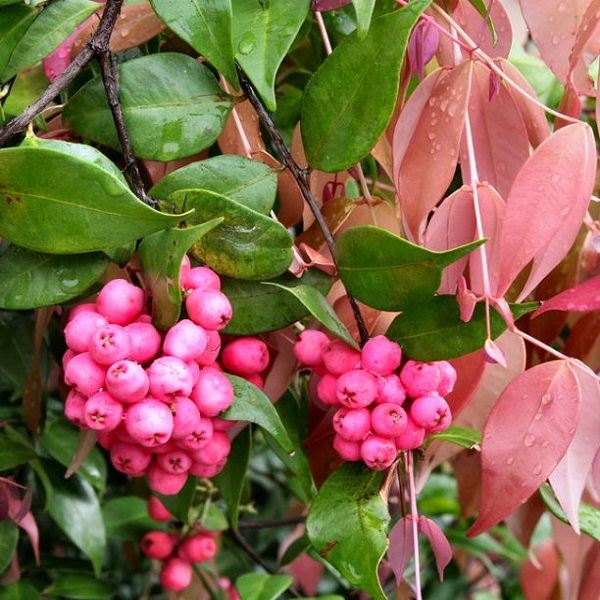
One of the most striking features of the Riberry is its fruit. These small, teardrop-shaped berries, typically measuring around 2-3 cm in length, ripen from a vibrant pink to a deep, glossy crimson. Their appearance is reminiscent of small cherries or cranberries, and they hang in attractive clusters, making the fruiting tree a truly spectacular sight. The flesh of the Riberry is juicy and tart, possessing a unique flavor profile that is both refreshing and slightly astringent. Many describe it as having notes of cranberry, apple, and a hint of citrus.
Beyond its delicious fruit, the Riberry boasts attractive foliage. Its new growth emerges as a beautiful bronze or pinkish hue, gradually maturing into a glossy, dark green. This dual-toned foliage adds a dynamic visual appeal throughout the year. The tree also produces delicate, fluffy white flowers in the summer months, which are a magnet for pollinators.
Why Choose a Riberry Plant for Your Garden?
The Riberry is more than just a pretty face; it’s a versatile and rewarding plant to cultivate. Here are some compelling reasons to consider adding one to your garden:
- Stunning Ornamental Value: The Riberry is an excellent choice for landscaping. Its dense, glossy foliage makes it perfect for hedges, screens, or as a specimen tree. The vibrant red fruits provide a spectacular burst of color, especially during the fruiting season, which typically occurs from late spring through summer.
- Edible Delights: The most exciting aspect for many is the edible fruit. Riberries are a fantastic source of Vitamin C and antioxidants. They can be enjoyed fresh, but their true culinary potential shines when they are processed. Their tartness makes them ideal for jams, jellies, sauces, syrups, and even baked goods.
- Adaptability and Resilience: While originating from rainforest environments, the Riberry is surprisingly adaptable. It can tolerate a range of soil types, provided they are well-draining. It thrives in full sun to partial shade and is relatively drought-tolerant once established. This resilience makes it a good choice for both experienced gardeners and beginners.
- Attracts Wildlife: The flowers of the Riberry attract native bees and other beneficial insects, contributing to a healthy garden ecosystem. The fruits, once ripe, are also a favored food source for various native birds.
- Native Australian Charm: For those looking to embrace Australian native plants, the Riberry is an outstanding selection. It connects your garden to the local flora and provides a sense of place.
Where to Find a Riberry Plant for Sale:
The increasing popularity of the Riberry has made it more accessible than ever. You can typically find Riberry plants for sale at:
- Specialist Native Plant Nurseries: These nurseries are your best bet for healthy, well-cared-for Riberry plants. They often have knowledgeable staff who can offer advice on planting and care.
- General Garden Centres: Many larger garden centers now stock a selection of native Australian plants, including the Riberry.
- Online Retailers: Numerous online nurseries and garden suppliers offer Riberry plants for sale, with options for delivery directly to your doorstep. When ordering online, ensure you choose reputable sellers with good reviews.
- Local Farmers’ Markets and Plant Fairs: Keep an eye out for local growers who might be selling Riberry plants at these events.
Choosing the Right Riberry Plant:
When purchasing a Riberry plant, consider the following:
- Size and Age: Plants are usually sold in various sizes, from small seedlings to more mature specimens. A larger plant will establish faster and fruit sooner, but smaller plants are often more economical.
- Health: Look for a plant with healthy, green foliage and no signs of pests or diseases. The stem should be firm, and the roots should be well-developed but not pot-bound.
- Origin: If possible, inquire about the origin of the plant. Plants grown locally may be better suited to your specific climate.
Cultivating Your Riberry Plant:
Once you have your Riberry plant, providing it with the right conditions will ensure its vigorous growth and bountiful fruit production.
-
Planting:
- Location: Choose a sunny to partly shaded spot. While Riberries can tolerate some shade, they will fruit best in full sun.
- Soil: Riberries prefer well-draining soil. If your soil is heavy clay, amend it with compost or organic matter to improve drainage.
- Planting Hole: Dig a hole twice as wide and as deep as the root ball of your plant.
- Planting: Gently remove the plant from its pot, loosen any circling roots, and place it in the hole. Ensure the top of the root ball is level with the surrounding soil. Backfill the hole with soil, firming gently.
- Watering: Water thoroughly after planting.
-
Watering: Water regularly, especially during dry periods, until the plant is established. Once mature, Riberries are relatively drought-tolerant, but occasional deep watering during prolonged dry spells will be beneficial.
-
Fertilizing: Feed your Riberry with a balanced, slow-release fertilizer in spring and again in summer. Organic compost is also an excellent soil amendment.
-
Pruning: Riberries respond well to pruning. Pruning can be done to shape the plant, maintain its size, or encourage denser growth for hedges. The best time to prune is after fruiting. You can also prune to remove any dead or diseased branches.
-
Pest and Disease: Riberries are generally quite hardy and resistant to pests and diseases. However, occasional issues like scale insects or sooty mould might occur, especially in humid conditions. Good air circulation and proper plant health are the best preventative measures.
The Culinary Canvas: Unleashing the Flavor of Riberries
The true magic of the Riberry lies in its versatility in the kitchen. Their vibrant color and unique tart flavor make them a delightful addition to a wide range of dishes. While they can be eaten fresh, their tartness is best balanced with sweetness, making them ideal for preservation and cooking.
Harvesting Riberries:
The Riberry fruits are typically ready for harvest from late spring through summer, depending on your local climate. Look for berries that have turned a deep, glossy crimson and are slightly soft to the touch. Gently twist or pull the berries from the stems. It’s often best to harvest them in the cool of the morning.
Riberry Recipes: A Taste of the Wild
Here are some inspiring recipe ideas to get you started with your Riberry harvest:
1. Riberry Jam/Jelly:
This is a classic way to preserve the flavor of Riberries. The tartness of the fruit pairs beautifully with sugar to create a spreadable delight.
-
Ingredients:
- 500g Riberries, washed and destemmed
- 500g Granulated Sugar (adjust to taste)
- Juice of 1 Lemon
- Optional: 1 tablespoon Pectin (if you prefer a firmer set)
-
Instructions:
- Place Riberries and lemon juice in a saucepan. Cook over medium heat until the berries soften and release their juices (about 5-10 minutes).
- Mash the berries slightly with a potato masher or fork.
- Add sugar (and pectin, if using) and stir until dissolved.
- Bring the mixture to a rolling boil, stirring constantly. If using pectin, follow package instructions for the setting point. If not using pectin, boil for about 15-20 minutes, or until the jam reaches the setting point (a drop placed on a cold saucer should wrinkle when pushed).
- Skim off any foam.
- Pour the hot jam into sterilized jars, seal, and process in a water bath if you intend to store them for long periods. Otherwise, let cool and store in the refrigerator.
2. Riberry Sauce/Coulis:
A vibrant and tangy sauce perfect for serving with desserts, yogurt, or even savory dishes like duck or pork.
-
Ingredients:
- 300g Riberries
- 50g Sugar (or to taste)
- 50ml Water
- Pinch of Cinnamon or Star Anise (optional)
-
Instructions:
- Combine Riberries, sugar, water, and optional spices in a saucepan.
- Simmer gently for 10-15 minutes until the berries have softened and broken down, and the sauce has thickened slightly.
- Strain the sauce through a fine-mesh sieve for a smooth coulis, or leave it with some texture.
- Adjust sweetness to your preference.
- Serve warm or chilled.
3. Riberry and Apple Crumble:
The tartness of Riberries cuts through the sweetness of apples beautifully in this comforting dessert.
-
Ingredients:
- For the Filling:
- 300g Riberries
- 3 large Apples, peeled, cored, and sliced
- 50g Sugar (adjust to taste)
- 1 teaspoon Cinnamon
- For the Crumble Topping:
- 150g Plain Flour
- 75g Cold Butter, cubed
- 50g Rolled Oats
- 50g Brown Sugar
- For the Filling:
-
Instructions:
- Preheat your oven to 180°C (160°C fan/Gas Mark 4).
- In a bowl, combine the Riberries, sliced apples, sugar, and cinnamon. Toss to coat evenly.
- Pour the fruit mixture into an ovenproof dish.
- For the crumble topping, rub the cold butter into the flour until the mixture resembles breadcrumbs. Stir in the oats and brown sugar.
- Sprinkle the crumble topping evenly over the fruit mixture.
- Bake for 35-45 minutes, or until the topping is golden brown and the fruit is bubbling.
- Serve warm with custard, ice cream, or cream.
4. Riberry Infused Gin or Vodka:
A sophisticated way to enjoy the unique flavor of Riberries.
-
Ingredients:
- 250g Riberries
- 750ml Gin or Vodka
- 2-3 tablespoons Sugar (optional, for a slightly sweeter infusion)
-
Instructions:
- Gently crush the Riberries.
- Place the crushed Riberries in a clean glass jar.
- Pour the gin or vodka over the berries. Add sugar if desired.
- Seal the jar tightly and store in a cool, dark place for 2-4 weeks, shaking occasionally.
- Taste periodically. Once the desired flavor is achieved, strain the liquid through cheesecloth or a fine sieve to remove the berries.
- Bottle the infused spirit. Serve neat, on the rocks, or as a base for cocktails.
Conclusion: Bring Home the Riberry
The Riberry plant offers a unique blend of ornamental beauty, ecological benefit, and culinary delight. Whether you’re a seasoned gardener looking to expand your native plant collection or a home cook eager to experiment with exotic flavors, a Riberry plant for sale is an investment that will reward you for years to come. Its vibrant crimson fruits are a testament to the wild beauty of Australia, and bringing this captivating plant into your life is an invitation to experience a taste of the bush, right in your own backyard. So, seek out a Riberry plant today and let its vibrant charm and delicious bounty enrich your world.


