Absolutely! Here’s a comprehensive article on River Mint plant care, aiming for around 1200 words, followed by a recipe section.
Cultivating the Cool: A Comprehensive Guide to River Mint (Mentha aquatica) Plant Care
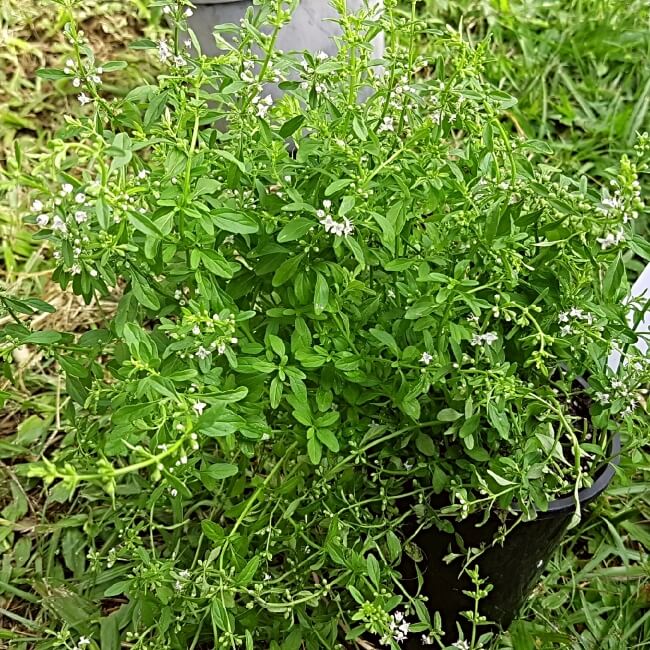
The gentle rustle of its leaves, the refreshing scent that wafts through the air, and its ability to thrive in damp environments make the River Mint, or Mentha aquatica, a truly captivating addition to any garden or indoor space. Belonging to the vast and fragrant Mentha genus, this aquatic mint species brings a unique charm with its preference for moist conditions and its distinctive floral undertones. Unlike its more common terrestrial cousins, River Mint is a testament to nature’s adaptability, flourishing in wetlands, alongside streams, and even in boggy garden beds.
This article delves deep into the world of River Mint plant care, providing you with the knowledge and practical advice needed to cultivate this delightful herb successfully. From understanding its native habitat to mastering its specific needs for light, water, soil, and propagation, we’ll equip you to enjoy its beauty and flavor for years to come.
Understanding River Mint: A Natural Affinity for Water
River Mint, scientifically known as Mentha aquatica, is native to Europe, North Africa, and parts of Western Asia. Its common name is a direct reflection of its natural habitat – the banks of rivers, streams, lakes, and other water bodies where the soil is consistently moist. This preference for wet feet is a key differentiator from many other mint varieties.
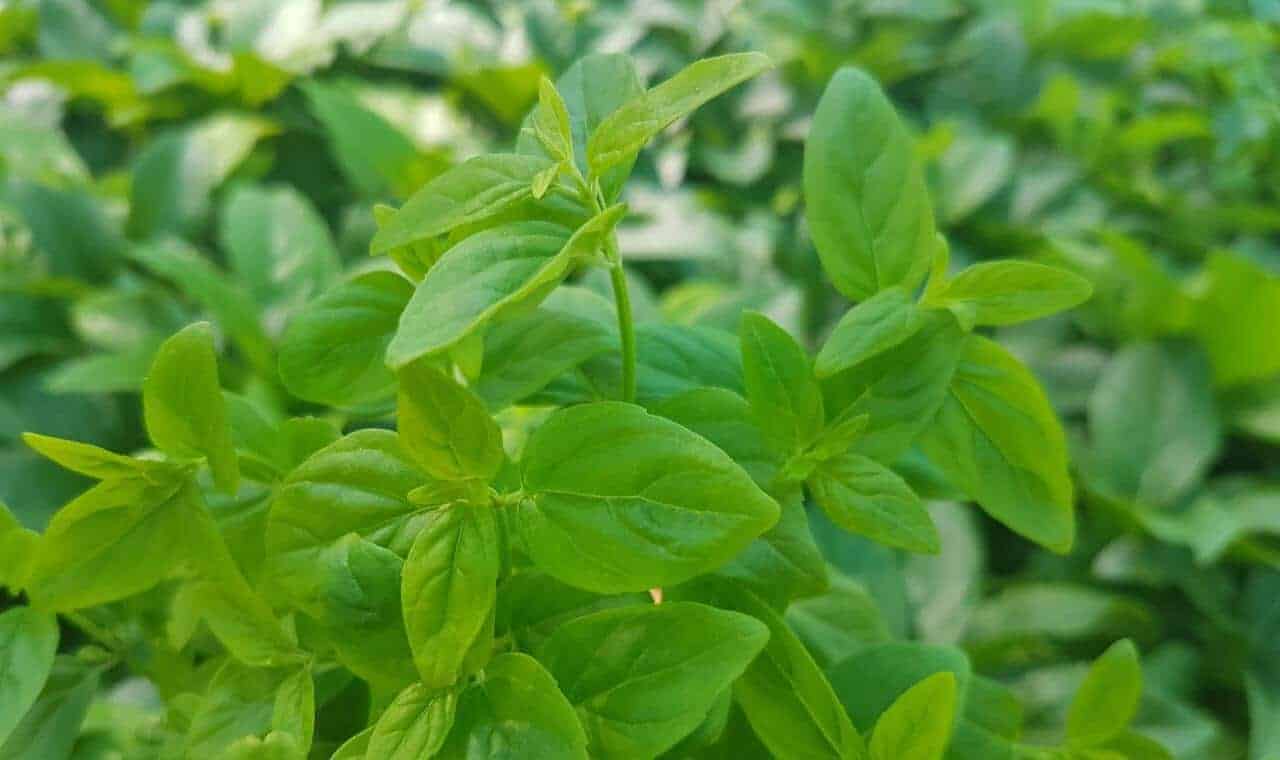
Distinguishing features of River Mint include its square stems, ovate to lance-shaped leaves that are often slightly hairy, and its characteristic whorls of small, pink to lavender flowers that emerge in the summer and autumn. The aroma is unmistakably minty, but often with a subtle, sweet, and floral nuance that sets it apart.
Essential Elements for Thriving River Mint
To cultivate a healthy and vigorous River Mint plant, you need to replicate its natural environment as closely as possible. This involves paying attention to several key factors:
1. Light Requirements: Sunshine and Shade
River Mint generally thrives in full sun to partial shade. In its native habitat, it often finds itself with access to ample sunlight, but also some respite from the most intense midday heat, especially when growing close to water.
- Full Sun (6+ hours of direct sunlight per day): This is ideal in cooler climates where the sun’s intensity is less harsh. It promotes robust growth and a strong aroma.
- Partial Shade (4-6 hours of direct sunlight per day, or dappled shade): In hotter climates or during the peak of summer, providing some shade can prevent the leaves from scorching and the plant from drying out too quickly. Morning sun with afternoon shade is often a good compromise.

Indoor Cultivation: If growing indoors, place your River Mint in the brightest window available, ideally a south-facing one. Supplemental grow lights can be beneficial, especially during winter months.
2. Watering: The Lifeblood of River Mint
This is arguably the most crucial aspect of River Mint care. As its name suggests, it loves moisture. Unlike many other mints that can tolerate drying out between waterings, River Mint prefers consistently damp to wet soil.
-
Outdoor Planting:
- Bog Gardens & Water Features: The ideal scenario is planting River Mint directly in or at the edge of a bog garden, pond, or stream. It will naturally thrive here.
- Moist Garden Beds: If not planting in a water feature, ensure the soil in your garden bed remains consistently moist. This might involve more frequent watering, especially during dry spells.
- Containers: If grown in pots, never let the soil dry out. The pot should be placed in a saucer of water, allowing the plant to draw moisture as needed. Alternatively, you can "water" the pot by submerging it in a larger container of water for a period until the soil is thoroughly saturated.
-
Signs of Underwatering: Drooping leaves, wilting, and a duller green color are clear indicators that your River Mint is thirsty.
-
Signs of Overwatering (less common for River Mint, but possible in poorly drained pots): Yellowing leaves and root rot can occur if the plant is waterlogged and the pot has no drainage, or if the surrounding soil is compacted and doesn’t allow for any aeration. However, River Mint is far more forgiving of too much water than too little.
3. Soil Preferences: From Boggy to Well-Drained (with moisture)
While River Mint loves moisture, it doesn’t necessarily need to be submerged in stagnant water unless you’re specifically creating a water garden. It thrives in soils that are rich in organic matter and retain moisture well.
- Ideal Soil Composition: A good potting mix for containers can be amended with compost, peat moss, or coco coir to enhance its water-retention capabilities. For garden beds, incorporate plenty of organic matter.
- Drainage (in containers): Even though it likes moisture, good drainage is still important in containers to prevent root rot, especially if the pot is sitting in a saucer of water. Ensure your pot has drainage holes.
- pH Level: River Mint is generally adaptable to a range of soil pH levels, but it tends to prefer slightly acidic to neutral conditions.
4. Temperature and Humidity: Embracing the Elements
River Mint is a hardy perennial, capable of tolerating a range of temperatures.
- Temperature: It thrives in moderate temperatures and can withstand both cool and warm weather. It’s generally frost-tolerant once established.
- Humidity: Due to its aquatic nature, River Mint appreciates higher humidity levels. This is naturally provided when grown near water or in humid environments. Indoor growers might consider misting occasionally or placing the pot on a pebble tray filled with water.
5. Fertilizing: A Light Touch is Best
River Mint is not a heavy feeder. In fact, over-fertilizing can lead to weak, leggy growth and a less intense aroma.
- When to Fertilize: If your soil is rich in organic matter, you may not need to fertilize at all. If growth seems sluggish, a light feeding in spring with a balanced liquid fertilizer (diluted to half strength) can be beneficial.
- Avoid High-Nitrogen Fertilizers: These can promote excessive leaf growth at the expense of flower production and flavor.
6. Pruning and Harvesting: Keeping it in Check and Flavorful
Regular pruning and harvesting are essential for maintaining the health, shape, and prolific growth of your River Mint.
- Pruning: Pinch back the growing tips regularly to encourage bushier growth. This also prevents the plant from becoming leggy and unruly. If the plant starts to look straggly or overgrown, a more significant trim can be done.
- Harvesting: Harvest leaves and stems as needed throughout the growing season. The best time to harvest for maximum flavor and aroma is just before the plant flowers. Snip stems just above a leaf node.
- Deadheading: Removing spent flower heads can encourage further blooming and prevent the plant from putting all its energy into seed production.
7. Propagation: Spreading the Minty Love
River Mint is a vigorous grower and can be easily propagated.
- Cuttings: The most common and easiest method is stem cuttings.
- Take a 4-6 inch stem cutting from a healthy plant.
- Remove the lower leaves, leaving only a few at the top.
- Place the cutting in a glass of water. Roots will typically form within a few weeks.
- Once the roots are about an inch long, the cutting can be planted in moist soil.
- Division: Established plants can be divided in spring or autumn. Carefully dig up the plant, separate the root ball into sections, and replant them in new, moist locations.
- Seed: While possible, growing from seed is less common for mints and can result in plants that don’t perfectly match the parent.
8. Pests and Diseases: Vigilance and Prevention
River Mint is generally quite resilient, but like all plants, it can be susceptible to certain issues.
- Aphids: These small, sap-sucking insects can sometimes infest mint. A strong spray of water can dislodge them, or you can use insecticidal soap.
- Spider Mites: In dry conditions, spider mites can be an issue. Increasing humidity and using insecticidal soap can help.
- Mint Rust: This fungal disease appears as orange or yellow spots on the leaves and stems. It’s more common in humid conditions. Ensure good air circulation and avoid overhead watering. Remove and destroy infected parts of the plant.
- Root Rot: As mentioned, this is primarily a concern in pots with poor drainage or if the plant is in consistently waterlogged soil without any aeration.
Prevention is Key: Maintaining proper watering, light, and air circulation will go a long way in preventing most pests and diseases.
Creative Culinary Uses for River Mint
River Mint’s unique flavor profile, with its subtle floral notes, makes it a versatile herb in the kitchen. While it can be used in most applications where other mints are used, it offers a delightful twist.
Recipes Featuring River Mint:
1. Refreshing River Mint & Cucumber Cooler
This is a simple yet incredibly refreshing drink, perfect for a warm day. The floral undertones of River Mint complement the coolness of cucumber beautifully.
Yields: 4 servings
Prep time: 10 minutes
Ingredients:
- 1 large cucumber, peeled and roughly chopped
- 1/2 cup fresh River Mint leaves, plus extra sprigs for garnish
- 2 tablespoons fresh lime juice
- 1-2 tablespoons honey or agave nectar (adjust to taste)
- 2 cups cold water or sparkling water
- Ice cubes
Instructions:
- Combine the chopped cucumber, River Mint leaves, lime juice, and honey (or agave) in a blender.
- Blend until smooth.
- Strain the mixture through a fine-mesh sieve into a pitcher, pressing down on the solids to extract as much liquid as possible. Discard the solids.
- Add the cold water or sparkling water to the pitcher and stir well.
- Taste and adjust sweetness or tartness as needed.
- Serve immediately over ice, garnished with extra River Mint sprigs and a thin slice of cucumber.
2. River Mint & Berry Salad with Honey-Lime Dressing
The brightness of berries and the unique flavor of River Mint create a delightful and sophisticated salad.
Yields: 4 servings
Prep time: 15 minutes
Ingredients:
- 4 cups mixed berries (strawberries, blueberries, raspberries, blackberries)
- 1/4 cup fresh River Mint leaves, finely chopped
- 1/4 cup toasted slivered almonds or chopped pistachios (optional)
- For the Dressing:
- 2 tablespoons olive oil
- 1 tablespoon fresh lime juice
- 1 teaspoon honey or agave nectar
- Pinch of salt
- Freshly ground black pepper to taste
Instructions:
- In a large bowl, gently combine the mixed berries.
- Sprinkle the finely chopped River Mint leaves over the berries.
- In a small bowl, whisk together the olive oil, lime juice, honey (or agave), salt, and pepper until well combined.
- Drizzle the dressing over the berry and mint mixture.
- Gently toss to coat the berries evenly.
- If using, sprinkle the toasted nuts over the salad just before serving.
- Serve immediately as a refreshing side dish or light dessert.
3. Fragrant River Mint Infused Water
A simple and elegant way to enjoy the subtle aroma and flavor of River Mint throughout the day.
Yields: 1 pitcher
Prep time: 5 minutes + infusion time
Ingredients:
- 1 liter (approx. 4 cups) cold water
- 1/2 cup fresh River Mint sprigs
- 1/2 cup sliced cucumber (optional)
- 1/4 cup sliced lemon or lime (optional)
Instructions:
- Gently bruise the River Mint sprigs by rolling them between your palms. This releases their essential oils.
- Place the bruised mint sprigs, along with any optional additions like cucumber or citrus, into a pitcher.
- Pour the cold water over the ingredients.
- Cover the pitcher and refrigerate for at least 2-4 hours, or preferably overnight, to allow the flavors to infuse.
- Strain the water before serving, or leave the ingredients in for a more visually appealing presentation. Enjoy chilled.
Conclusion: A Touch of Aquatic Serenity
River Mint (Mentha aquatica) is more than just an herb; it’s an invitation to embrace a touch of aquatic serenity in your garden or home. Its unique preference for moisture, coupled with its delightful aroma and flavor, makes it a standout in the mint family. By understanding and catering to its specific needs for light, water, and soil, you can ensure a thriving plant that brings beauty, fragrance, and culinary inspiration to your life. So, whether you’re creating a bog garden, a container display by a pond, or simply want to add a touch of green to a damp corner, River Mint is a rewarding choice that promises a refreshing experience at every turn.


