
Embark on a culinary journey to the heart of Australia with the humble yet extraordinary bunya nut. Often hailed as a true superfood and a cornerstone of Indigenous Australian cuisine for millennia, the bunya nut offers a unique, earthy flavor profile that’s both deeply satisfying and incredibly versatile.
These magnificent nuts, encased in large, spiky cones from the ancient Bunya Pine (Araucaria bidwillii), are a seasonal delight, typically harvested between January and March. For centuries, they were a vital food source and a sacred component of large gatherings and ceremonies, known as ‘bunya festivals’, where different Aboriginal nations would come together to harvest and feast.
The taste of a bunya nut is truly distinct: a delightful cross between a chestnut, a potato, and a pine nut, with a creamy texture when cooked. It boasts a slightly sweet, starchy, and nutty flavor that is incredibly moreish. Roasting is arguably one of the best ways to prepare them, bringing out their inherent sweetness and giving them a pleasant, slightly crisp exterior.
This recipe aims to provide an anti-fail guide to perfectly roasted bunya nuts, allowing you to experience this ancient delicacy with confidence, whether you’re a seasoned chef or a curious beginner. Prepare to transform these unique nuts into a delicious snack, a hearty side, or an intriguing ingredient for more complex dishes.

- Preparation Time: 15 minutes (plus optional soaking time)
- Cooking Time: 25-35 minutes
- Difficulty Level: Easy
- Yields: 4-6 servings
Sourcing fresh bunya nuts is the first step to success. Look for them at farmers’ markets, specialty native food stores, or through online suppliers during their season. Ensure they are firm, free from mold, and have a healthy sheen.
- 500g fresh Bunya Nuts (approximately 20-30 nuts, depending on size)
For this recipe, we’re keeping the seasoning blend elegant and simple, allowing the natural flavor of the bunya nut to shine through. The aim is to enhance, not overpower.
- 1 tablespoon extra virgin olive oil
- 1 teaspoon sea salt (or to taste)
- ½ teaspoon freshly ground black pepper (or to taste)
- ¼ teaspoon smoked paprika (optional, for a subtle smoky depth)
A touch of fresh herbs can elevate the aroma and presentation, making your roasted bunya nuts even more inviting.
- Fresh rosemary or thyme sprigs (for roasting with the nuts, or as a garnish)
- A sprinkle of finely chopped fresh parsley or chives
Follow these detailed steps carefully to ensure your bunya nuts are roasted to perfection every time. Precision in preparation is key to an anti-fail result.
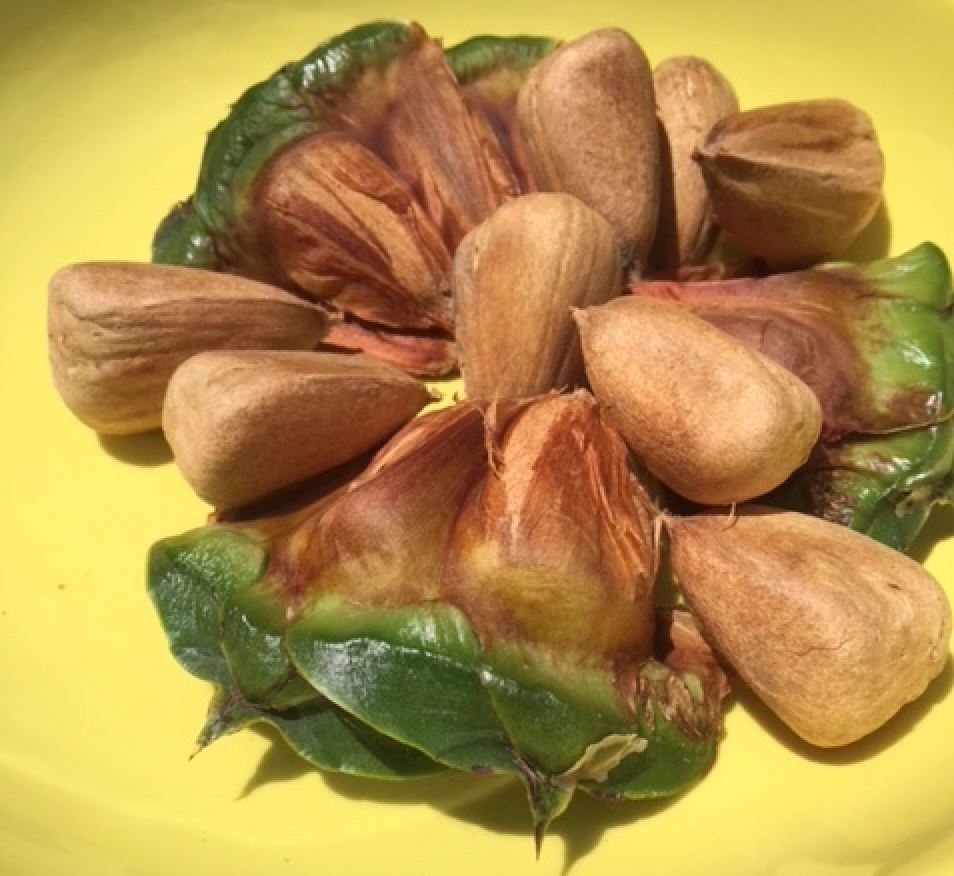
Step 1: Prepare the Bunya Nuts
Begin by thoroughly washing your bunya nuts under cold running water to remove any dirt or debris. Pat them dry with a clean kitchen towel. This ensures a clean base for roasting.
Each bunya nut needs to be scored or cracked before cooking. This is crucial for two reasons: it prevents the nuts from exploding in the oven due to steam buildup, and it allows the heat to penetrate evenly, ensuring they cook thoroughly. Use a sharp, sturdy knife to make a shallow cut across the flat side of each nut, or a small ‘X’ on one end. Be careful not to cut too deeply into the kernel itself.
Optional: Soaking. For a slightly softer texture and to potentially reduce cooking time, you can soak the scored bunya nuts in cold water for 1-2 hours, or even overnight. Drain and pat dry thoroughly before proceeding.
Step 2: Preheat Your Oven & Season the Nuts
Preheat your oven to 180°C (350°F). A moderate oven temperature is ideal for roasting nuts, allowing them to cook through without burning the exterior.
In a large mixing bowl, combine the scored bunya nuts with the olive oil, sea salt, black pepper, and optional smoked paprika. Toss gently but thoroughly, ensuring each nut is lightly coated with the seasoning blend. This even coating contributes to consistent flavor.
Step 3: Arrange and Roast
Spread the seasoned bunya nuts in a single layer on a baking sheet lined with parchment paper. Avoid overcrowding the pan; if necessary, use two baking sheets. Overcrowding can lead to steaming rather than roasting, resulting in a less desirable texture.
If using fresh rosemary or thyme sprigs, scatter them amongst the nuts on the baking sheet. The herbs will infuse a wonderful aroma into the nuts as they roast.
Place the baking sheet in the preheated oven and roast for 25-35 minutes. The cooking time can vary slightly depending on the size and moisture content of your nuts, as well as your oven’s calibration.
Halfway through the cooking time (around 15-20 minutes), gently shake the baking sheet or use a spatula to turn the nuts. This promotes even browning and prevents any single side from scorching.
Step 4: Check for Doneness and Serve
The bunya nuts are done when their shells are slightly split open, the kernels are tender, and have a pleasant, slightly golden-brown color. You can test for doneness by carefully removing one nut, letting it cool slightly, and peeling it. The kernel should be soft and creamy, not hard or raw in the center.
Once cooked, remove the baking sheet from the oven. Allow the bunya nuts to cool for a few minutes before handling. The shells will be hot, so handle with care.
Serve the roasted bunya nuts warm or at room temperature. They are delicious simply peeled and eaten, or you can serve them with a sprinkle of fresh herbs. They make an excellent snack, a unique appetizer, or a delightful accompaniment to roasted meats and vegetables.
Achieving perfect bunya nuts every time involves a few insider tricks. These tips will help you avoid common pitfalls and enhance your culinary experience.
Tip 1: The Importance of Scoring. Never skip scoring the nuts! It’s the most critical step for safety and even cooking. A small ‘X’ or a single slit is sufficient. If you find the nuts too hard to score with a knife, a small hammer or nutcracker can be used gently to create a small crack, being careful not to crush the kernel.
Tip 2: Don’t Overcrowd the Pan. As mentioned, giving your nuts space on the baking sheet is crucial. Air circulation around each nut allows them to roast beautifully, developing a superior texture and flavor. If they’re too close, they’ll steam and become soggy.
Tip 3: Experiment with Seasonings. While our seasoning blend is simple and effective, feel free to experiment. A pinch of garlic powder, onion powder, a dash of chili flakes for a kick, or even a touch of native Australian spices like wattle seed or lemon myrtle can add intriguing dimensions.
Tip 4: Boiling as an Alternative. If you prefer a softer, more uniformly cooked texture, you can boil bunya nuts first. Boil scored nuts for 20-30 minutes until tender, then drain, cool, and peel. After boiling, they can still be lightly roasted or pan-fried for a few minutes to add a touch of color and crispness.
Tip 5: Storage. Cooked bunya nuts can be stored in an airtight container in the refrigerator for up to 3-4 days. They are also suitable for freezing for longer storage. Uncooked bunya nuts should be kept in a cool, dark place or refrigerated, and can last for several weeks if stored correctly.
Bunya nuts are a highly nutritious food, rich in complex carbohydrates, protein, and healthy fats. They are also a good source of dietary fiber and various minerals.
- Calories: Approximately 150-200 kcal
- Carbohydrates: High (complex starches)
- Protein: Moderate
- Fats: Low to Moderate (primarily unsaturated)
- Fiber: High
- Vitamins & Minerals: Good source of magnesium, potassium, and B vitamins.
Please note that these values are approximate and can vary based on the size of the nuts and exact preparation methods. Bunya nuts are naturally gluten-free and vegan-friendly.
By following this comprehensive, anti-fail recipe, you’re not just cooking; you’re participating in a tradition that spans thousands of years. The unique flavor and history of the bunya nut make it a truly special ingredient.
Enjoy the rich, earthy goodness of your perfectly roasted bunya nuts. They are a testament to Australia’s incredible native pantry and an experience not to be missed!


:max_bytes(150000):strip_icc()/best-ever-succotash-recipe-3x4-61-c9230cceec7b4e15aeda6c213d42da12.jpg?w=200&resize=200,135&ssl=1 "Succotash: A Flavorful Fusion of Summer’s Best")
