
The Ruby Jewel of the Garden: Cultivating and Caring for the Rosella Calyx Plant
The Rosella calyx plant, scientifically known as Hibiscus sabdariffa, is a true marvel in the botanical world. More than just an ornamental beauty with its vibrant crimson calyces, it’s a plant that offers a bounty of culinary and medicinal delights. From refreshing teas and vibrant jams to its potential health benefits, the Rosella calyx has earned its place as a prized possession in gardens worldwide. Cultivating this tropical treasure, however, requires a bit of understanding and attentive care. This comprehensive guide will delve into the intricacies of Rosella calyx plant care, ensuring you can successfully nurture this ruby jewel from seed to harvest.
Understanding the Rosella Calyx: A Brief Introduction
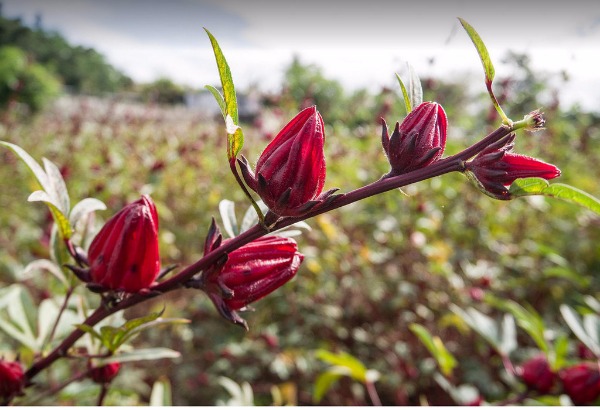
Hibiscus sabdariffa is a herbaceous perennial or annual plant, depending on the climate. It’s native to West Africa and thrives in warm, humid environments. The plant itself can grow to a substantial size, often reaching heights of 1.5 to 3 meters, with broad, lobed leaves and delicate, hibiscus-like flowers. However, it’s the fleshy, tart, and intensely colored calyces, the outer leafy structures surrounding the base of the flower, that are the star of the show. These calyces are rich in anthocyanins, the pigments responsible for their deep red hue, and are packed with Vitamin C, antioxidants, and other beneficial compounds.
Choosing the Right Location: Sunlight and Soil
The Rosella calyx is a sun-worshipper. To achieve optimal growth and abundant calyx production, it requires full sun, meaning at least 6-8 hours of direct sunlight per day. A location that receives ample sunlight throughout the day will promote vigorous growth and the development of strong, flavorful calyces.
In terms of soil, the Rosella calyx is not overly fussy but thrives in well-draining, fertile soil. It prefers a slightly acidic to neutral pH (6.0-7.0). If your soil is heavy clay, it’s crucial to amend it with organic matter such as compost or well-rotted manure. This will improve drainage and aeration, preventing waterlogged roots, which the Rosella dislikes. Raised beds are an excellent option for areas with poor drainage.
Planting Your Rosella: From Seed to Seedling
Rosella calyx can be grown from seeds or cuttings.
-
From Seed: Seeds can be sown directly into the ground after the last frost when the soil has warmed up to at least 18°C (65°F). Alternatively, you can start seeds indoors 6-8 weeks before the last expected frost in small pots or seed trays filled with a good quality seed-starting mix. Keep the soil consistently moist and warm. Once the seedlings have developed a few sets of true leaves and the risk of frost has passed, they can be transplanted outdoors. Space plants about 60-90 cm (2-3 feet) apart to allow for adequate growth.
-
From Cuttings: If you have access to a mature Rosella plant, you can take cuttings from healthy, non-flowering stems. These cuttings should be about 15-20 cm long and have several leaf nodes. Remove the lower leaves and dip the cut end in rooting hormone before planting it in a pot filled with moist potting mix or perlite. Keep the cuttings in a warm, humid environment until roots have formed, which can take several weeks.
Watering and Fertilizing: The Essentials for Growth
Consistent moisture is key for a healthy Rosella calyx plant, especially during its active growth phase.
-
Watering: Water deeply and regularly, especially during dry spells. Aim to keep the soil consistently moist but not waterlogged. As a general rule, water when the top inch of soil feels dry to the touch. Avoid overhead watering if possible, as this can encourage fungal diseases. Watering at the base of the plant is more beneficial. Once established, the plant can tolerate some drought, but consistent watering will lead to better calyx production.
-
Fertilizing: Rosella calyx plants benefit from regular feeding. Start with a balanced, all-purpose fertilizer (e.g., 10-10-10) applied at planting time. As the plant grows, you can switch to a fertilizer slightly higher in nitrogen to promote leafy growth, but avoid over-fertilizing with nitrogen, as this can lead to excessive foliage at the expense of calyx development. A side dressing of compost or a granular fertilizer rich in phosphorus and potassium can be beneficial during the flowering and fruiting stages to encourage calyx formation and size.
Pruning and Support: Shaping for Success
While not strictly necessary for survival, pruning can significantly improve the structure and yield of your Rosella plant.
-
Pruning: Pinching back the tips of young plants can encourage bushier growth. As the plant matures, you can prune to remove any dead or diseased branches and to shape the plant. Pruning can also be done to encourage more calyx production by removing some of the early flowers, allowing the plant to focus its energy on developing fewer, larger calyces.
-
Support: Depending on the variety and your growing conditions, Rosella plants can become quite tall and heavy, especially when laden with calyces. Providing support such as stakes, cages, or trellises can prevent the plant from falling over and protect the developing calyces from damage.
Pest and Disease Management: Keeping Your Plant Healthy
Rosella calyx plants are generally resilient, but they can be susceptible to certain pests and diseases.
-
Pests: Common pests include aphids, whiteflies, and spider mites. These can often be managed with a strong spray of water, insecticidal soap, or neem oil. Regularly inspect your plants for any signs of infestation.
-
Diseases: Fungal diseases like powdery mildew can occur, especially in humid conditions. Good air circulation and avoiding overhead watering can help prevent these issues. If detected, remove affected leaves and consider using a fungicide. Root rot can be a problem in poorly draining soil, so ensuring good drainage is paramount.
Harvesting the Ruby Treasures: When and How
The most exciting part of growing Rosella calyx is harvesting the calyces.
-
Timing: The calyces are ready for harvest approximately 3-4 weeks after the flower has faded. You’ll notice the calyces have enlarged, become fleshy, and developed their characteristic deep red color. Harvesting when the calyces are fully developed but before they start to split or become soft will ensure the best flavor and quality.
-
Method: To harvest, simply pinch or cut the calyces from the stem. You can also carefully twist them off. It’s best to harvest in the morning after the dew has dried, as this can help prolong their shelf life. You can harvest continuously as the plant produces new calyces throughout its blooming season.
Storing and Preserving Your Harvest
Freshly harvested calyces can be used immediately or preserved for later use.
-
Fresh Use: Rosella calyces can be stored in the refrigerator for up to a week in an airtight container.
-
Drying: For long-term storage, calyces can be dried. Spread them in a single layer on a drying rack or screen in a well-ventilated area, out of direct sunlight. They can also be dried in a dehydrator on a low setting. Once completely dry, store them in airtight containers in a cool, dark place.
-
Freezing: You can also freeze fresh calyces. Wash them thoroughly, trim any tough bits, and then freeze them in a single layer on a baking sheet before transferring them to freezer bags.
Culinary and Medicinal Uses: A World of Flavor and Wellness
The Rosella calyx is incredibly versatile in the kitchen and offers a range of potential health benefits.
-
Culinary: Its tart, cranberry-like flavor makes it a popular ingredient for:
- Teas: The most common use, a refreshing and vibrant infusion.
- Jams and Jellies: Its natural pectin content makes it ideal for setting.
- Sauces and Compotes: A delicious accompaniment to meats or desserts.
- Syrups: For cocktails, mocktails, or drizzling over pancakes.
- Salads: Chopped fresh calyces can add a zesty crunch.
- Beverages: Juices, cordials, and infused waters.
-
Medicinal: Traditionally, Rosella calyces have been used for their:
- Diuretic properties: Helping to increase urine output.
- Antioxidant effects: Due to their high anthocyanin content.
- Blood pressure management: Some studies suggest a potential benefit.
- Digestive aid: Traditionally used to soothe stomach upset.
- Vitamin C boost: Supporting the immune system.
Rosella Calyx Recipe Collection
Here’s a selection of popular and delicious recipes that showcase the versatility of the Rosella calyx:
1. Classic Rosella Tea (Hibiscus Tea)
-
Ingredients:
- 1 cup fresh or dried Rosella calyces
- 4 cups water
- Sweetener to taste (honey, sugar, agave)
- Optional: Lemon slices, mint sprigs, ginger
-
Instructions:
- If using fresh calyces, rinse them thoroughly. Remove any tough stem ends.
- In a saucepan, combine the Rosella calyces and water.
- Bring to a boil, then reduce heat and simmer for 5-10 minutes (for fresh) or 10-15 minutes (for dried) until the liquid is a deep ruby red.
- Strain the liquid into a pitcher.
- Sweeten to taste.
- Serve hot or chilled. Garnish with lemon or mint if desired.
2. Simple Rosella Jam
-
Ingredients:
- 4 cups chopped fresh Rosella calyces
- 4 cups granulated sugar
- 1/4 cup lemon juice
- 1/2 cup water (optional, if calyces are very dry)
-
Instructions:
- Combine chopped calyces, sugar, and lemon juice in a large, heavy-bottomed pot. If your calyces seem dry, add the water.
- Let the mixture sit for at least 30 minutes, or preferably overnight, to allow the sugar to draw out the juices from the calyces.
- Place the pot over medium heat and stir until the sugar dissolves.
- Bring the mixture to a rolling boil, stirring constantly.
- Continue to boil, stirring frequently, until the jam thickens and reaches the setting point (around 105°C/220°F, or when a drop of jam on a cold plate wrinkles when pushed). This can take 20-40 minutes.
- Skim off any foam that rises to the surface.
- Ladle the hot jam into sterilized jars, leaving about 1/4 inch headspace.
- Wipe the rims clean, seal with lids, and process in a boiling water bath for 10 minutes to ensure proper sealing.
3. Rosella and Ginger Cordial
-
Ingredients:
- 3 cups Rosella calyces, chopped
- 1 cup fresh ginger, thinly sliced
- 4 cups sugar
- 4 cups water
- 1/4 cup lemon juice
-
Instructions:
- In a saucepan, combine the chopped Rosella calyces, sliced ginger, sugar, and water.
- Bring to a boil, then reduce heat and simmer for 20-30 minutes, or until the liquid is deeply colored and has reduced slightly.
- Strain the mixture through a fine-mesh sieve lined with cheesecloth, pressing gently to extract as much liquid as possible. Discard the solids.
- Stir in the lemon juice.
- Pour the cordial into sterilized bottles. Store in the refrigerator. Dilute with water or sparkling water to serve.
4. Rosella Syrup for Cocktails and Desserts
-
Ingredients:
- 2 cups Rosella calyces
- 2 cups sugar
- 2 cups water
-
Instructions:
- Combine all ingredients in a saucepan.
- Bring to a boil, then reduce heat and simmer for 15-20 minutes, until the calyces have softened and the syrup has thickened.
- Strain the syrup through a fine-mesh sieve, pressing gently.
- Pour into a sterilized bottle and store in the refrigerator. Use in cocktails, mocktails, over ice cream, or as a pancake topping.
5. Rosella Chutney
-
Ingredients:
- 2 cups chopped Rosella calyces
- 1 large onion, finely chopped
- 2 cloves garlic, minced
- 1 inch fresh ginger, grated
- 1/2 cup raisins or sultanas
- 1/4 cup apple cider vinegar
- 1/4 cup brown sugar
- 1 tsp mustard seeds
- 1/2 tsp chili flakes (optional)
- Salt to taste
-
Instructions:
- In a saucepan, combine all ingredients except salt.
- Bring to a simmer over medium heat, stirring until the sugar dissolves.
- Reduce heat to low and cook, stirring occasionally, for 30-45 minutes, or until the chutney has thickened and the calyces are tender.
- Season with salt to taste.
- Spoon the chutney into sterilized jars and seal. Store in the refrigerator.
By following these comprehensive care guidelines and exploring the delightful recipes, you can fully embrace the rewarding experience of cultivating and enjoying the remarkable Rosella calyx plant. Its vibrant beauty and delicious potential make it a truly worthwhile addition to any garden.


