
Absolutely! Here’s a comprehensive article on Samphire plant care, followed by a recipe section.
The Salty Delight: A Comprehensive Guide to Samphire Plant Care and Cultivation
Samphire, also known as sea beans, glasswort, or marsh samphire, is a fascinating and delicious succulent that thrives in saline environments. Its crisp, slightly salty, and subtly tangy flavor makes it a sought-after ingredient in culinary circles, gracing the plates of discerning diners and adventurous home cooks alike. While its natural habitat might suggest a niche cultivation, growing samphire can be a rewarding and surprisingly accessible endeavor. This comprehensive guide will delve into the intricacies of samphire plant care, from understanding its unique needs to harvesting and enjoying its oceanic bounty.
Understanding Samphire: A Botanical Snapshot

Samphire belongs to the genus Salicornia, a group of halophytic (salt-tolerant) plants found in salt marshes, along coastlines, and in saline soils worldwide. There are several species of samphire, with the most common edible varieties being Salicornia europaea (common or European glasswort) and Salicornia bigelovii (American or dwarf glasswort). These plants are characterized by their fleshy, jointed stems that resemble miniature green or reddish spears, hence the common names "sea beans" or "glasswort." They reproduce through seeds, and their ability to tolerate high salt concentrations is a testament to their remarkable adaptations.
Why Grow Samphire? The Allure of the Sea Bean
Beyond its culinary appeal, growing samphire offers several advantages:
- Unique Flavor Profile: Its distinct salty and slightly acidic taste is a culinary marvel, adding a fresh, oceanic dimension to dishes.
- Ease of Cultivation (with the right conditions): While it has specific needs, once these are met, samphire is relatively low-maintenance.
- Edible and Nutritious: Samphire is packed with vitamins, minerals, and antioxidants, making it a healthy addition to any diet.
- Coastal Resilience: It’s an excellent choice for coastal gardeners or those with naturally saline soil.
- Conversation Starter: Growing this unusual plant is sure to pique the interest of your guests.
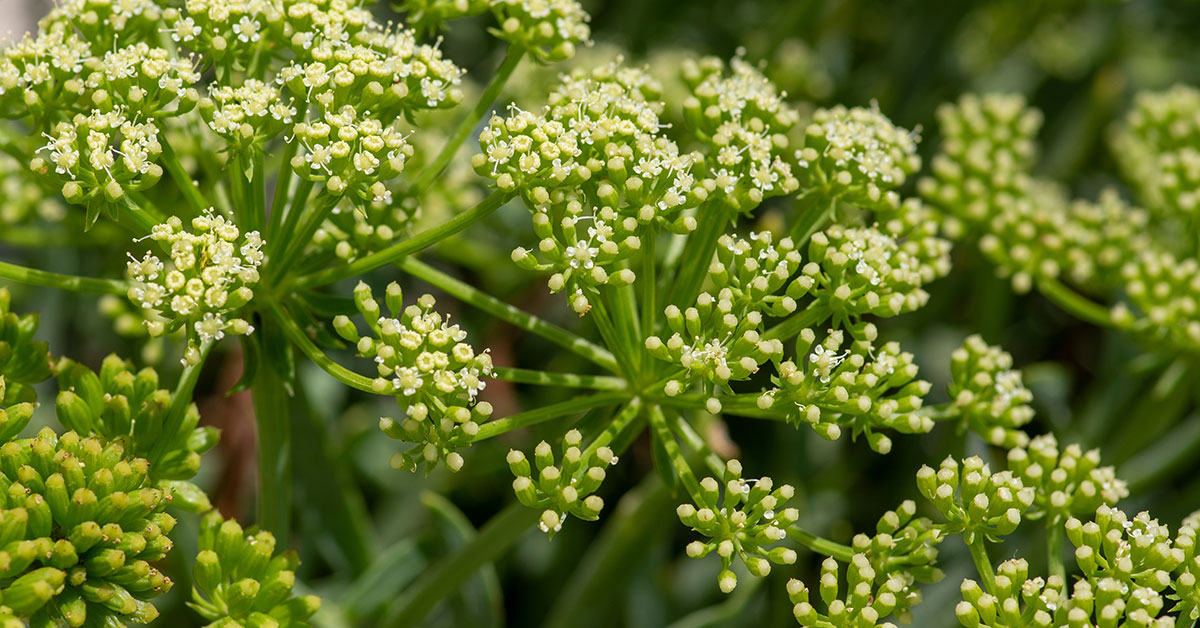
Cultivating Your Own Samphire: A Step-by-Step Approach
Successful samphire cultivation hinges on replicating its natural saline environment. Here’s how to get started:
1. Choosing Your Samphire Species:
- Salicornia europaea: The most common and widely recognized edible samphire. It’s hardy and adaptable.
- Salicornia bigelovii: Known for its dwarf stature and often considered to have a slightly more intense flavor. It’s also quite salt-tolerant.
2. Sourcing Seeds or Seedlings:
- Seeds: You can purchase samphire seeds from reputable seed suppliers or specialized nurseries. Look for organic and non-GMO options if possible.
- Seedlings/Plants: If you’re lucky, you might find young samphire plants at local garden centers or from fellow enthusiasts. Starting with established plants can give you a head start.
3. Location, Location, Location: The Importance of Salinity and Sun
This is the most crucial aspect of samphire care.
- Saline Soil: Samphire needs salt to thrive. If you don’t have naturally saline soil, you’ll need to create it.
- Coastal Areas: If you live near the coast, well-drained soil with a naturally higher salt content is ideal.
- Non-Coastal Areas:
- Container Gardening: This is often the easiest way to control salinity. Use a well-draining potting mix and add horticultural salt (sodium chloride, not table salt with additives) or sea salt. Start with a moderate amount and gradually increase it.
- Raised Beds: Construct a raised bed and line it to prevent freshwater leaching. Fill it with a sandy, well-draining soil and amend it with horticultural salt.
- Soil Amendment: For in-ground planting, you’ll need to significantly amend your soil with salt. This can be tricky and may not be suitable for areas with high rainfall that could wash away the salt.
- Sunlight: Samphire loves full sun. Aim for at least 6-8 hours of direct sunlight per day. Insufficient sunlight can lead to leggy growth and reduced yield.
4. Soil Preparation: Drainage is Key
Samphire detests waterlogged conditions, even though it lives in a salty environment.
- Ideal Mix: A sandy, gritty, and fast-draining soil is paramount. Mix horticultural sand, perlite, or grit with your base soil.
- pH: Samphire prefers slightly alkaline to neutral soil, which is often naturally present in saline environments.
5. Planting Your Samphire:
- From Seeds: Sow seeds directly into your prepared saline soil or containers after the last frost. Sow them shallowly, about 1/4 inch deep.
- From Seedlings: Plant seedlings at the same depth they were in their nursery pots. Ensure adequate spacing between plants (about 6-12 inches) to allow for growth and air circulation.
6. Watering: The Salty Balance
This is where many novice samphire growers stumble.
- Frequency: Water regularly, but allow the soil to dry out slightly between waterings. Overwatering is a death sentence.
- Water Type:
- Saltwater: If you have access to clean, natural saltwater (from a non-polluted source), this is ideal for watering.
- Brackish Water: A mix of freshwater and saltwater can also be used.
- Saltwater Solution: If using freshwater, you’ll need to create a saltwater solution. Dissolve horticultural salt or sea salt in freshwater. Start with a weak solution (e.g., 1-2 tablespoons of salt per gallon of water) and gradually increase the concentration as the plants establish. The goal is to maintain a noticeable salt presence in the soil.
- Avoid Freshwater: Never water samphire with plain freshwater, as this will dilute the soil salinity and shock the plant.
7. Fertilizing: Less is More
Samphire is adapted to nutrient-poor saline environments, so it doesn’t require heavy fertilization.
- Avoid Nitrogen-Rich Fertilizers: These can promote excessive leafy growth at the expense of flavor and salt tolerance.
- Occasional Boost (Optional): If your plants seem weak, a very dilute, low-nitrogen fertilizer can be applied sparingly during the growing season.
8. Pests and Diseases: Generally Hardy
Samphire is remarkably resistant to pests and diseases due to its saline habitat.
- Aphids: Occasionally, aphids might attack young shoots. A strong spray of saltwater can often deter them.
- Fungal Diseases: These are usually a result of overwatering and poor air circulation. Ensure good drainage and spacing.
9. Overwintering:
Samphire is typically a hardy perennial in milder climates.
- Cold Climates: In regions with harsh winters, samphire may die back to the ground. You can protect the roots by mulching with sand or gravel. In very cold areas, consider growing it as an annual or overwintering plants in a protected, unheated greenhouse or cold frame.
- Container Plants: Move container-grown samphire to a sheltered location or a cold frame.
10. Harvesting Your Bounty:
The most exciting part!
- When to Harvest: Samphire is typically ready for harvest from late spring through early autumn, depending on your climate. Look for stems that are firm, vibrant green (or reddish, depending on the variety and light exposure), and about 4-8 inches long.
- How to Harvest: Use clean, sharp scissors or pruning shears to cut the stems. Avoid pulling or yanking, as this can damage the plant. Harvest in stages, leaving the lower parts of the plant to regrow.
- Frequency: Regular harvesting encourages more growth. Aim to harvest about one-third to one-half of the plant at a time.
- Post-Harvest: Rinse harvested samphire thoroughly in freshwater to remove any grit or excess salt.
Troubleshooting Common Samphire Problems:
- Yellowing Leaves/Stems: This can indicate overwatering, insufficient sunlight, or a lack of salinity. Check your watering schedule, ensure adequate sun exposure, and consider increasing the salt content in the soil.
- Leggy Growth: Insufficient sunlight is the usual culprit. Move the plant to a sunnier location.
- Wilting: Overwatering is the most common cause, leading to root rot. Ensure excellent drainage and reduce watering frequency.
- No Saltiness: This is a clear sign of insufficient salt in the soil. Gradually increase the salt concentration in your watering solution or soil amendments.
Samphire Recipes: A Taste of the Sea
Samphire’s unique flavor lends itself to a variety of simple yet elegant dishes. Its natural saltiness means you’ll often need less additional salt in your recipes.
Basic Preparation:
Before using samphire in recipes, it’s essential to prepare it properly:
- Rinse Thoroughly: Submerge the samphire in a bowl of cool freshwater and gently swish it around to remove any dirt, sand, or excess salt. You may need to repeat this a few times.
- Blanch (Optional but Recommended): For a brighter green color and to slightly mellow the saltiness, blanch the samphire for 30-60 seconds in boiling water, then immediately plunge it into an ice bath to stop the cooking.
Recipe 1: Simple Steamed Samphire with Lemon and Butter
This is the quintessential way to enjoy samphire, highlighting its natural flavors.
Yields: 2 servings
Prep time: 5 minutes
Cook time: 3-5 minutes
Ingredients:
- 200g fresh samphire, rinsed and trimmed
- 1 tablespoon unsalted butter
- 1/4 lemon, cut into wedges
Instructions:
- Prepare the samphire by rinsing and optionally blanching it as described above.
- In a saucepan, melt the butter over medium heat.
- Add the prepared samphire to the pan.
- Steam for 3-5 minutes, or until the samphire is tender-crisp and vibrant green. Do not overcook.
- Serve immediately with fresh lemon wedges on the side for squeezing.
Recipe 2: Pan-Seared Scallops with Samphire and Garlic
The sweet, delicate flavor of scallops pairs beautifully with the salty crunch of samphire.
Yields: 2 servings
Prep time: 10 minutes
Cook time: 5-7 minutes
Ingredients:
- 8-10 large sea scallops, patted dry
- 1 tablespoon olive oil
- 1 tablespoon unsalted butter
- 2 cloves garlic, thinly sliced
- 150g fresh samphire, rinsed and trimmed
- Salt and freshly ground black pepper to taste (use salt sparingly)
- Lemon wedges, for serving
Instructions:
- Prepare the samphire by rinsing and optionally blanching it.
- Season the scallops generously with freshly ground black pepper. Avoid adding salt at this stage, as the samphire will provide plenty.
- Heat the olive oil and butter in a large skillet over medium-high heat until the butter is melted and shimmering.
- Add the scallops to the hot skillet in a single layer, ensuring not to overcrowd the pan. Sear for 2-3 minutes per side, until golden brown and cooked through. Remove scallops from the pan and set aside.
- Add the sliced garlic to the same skillet and sauté for about 30 seconds until fragrant, being careful not to burn it.
- Add the prepared samphire to the skillet and sauté for 1-2 minutes until tender-crisp.
- Return the scallops to the pan to warm through for about 30 seconds.
- Taste and adjust seasoning if necessary, adding a tiny pinch of salt only if absolutely required.
- Serve the scallops and samphire immediately, with lemon wedges on the side.
Recipe 3: Samphire and Potato Salad
A refreshing and flavorful twist on a classic potato salad, with the samphire adding a delightful salty crunch.
Yields: 4 servings
Prep time: 15 minutes
Cook time: 20-25 minutes
Ingredients:
- 500g small new potatoes, scrubbed and quartered
- 150g fresh samphire, rinsed and trimmed
- 1/4 cup mayonnaise
- 2 tablespoons Greek yogurt (or sour cream)
- 1 tablespoon Dijon mustard
- 1 tablespoon fresh dill, chopped
- 1 tablespoon fresh chives, chopped
- 1 small red onion, finely diced
- Salt and freshly ground black pepper to taste (use salt sparingly)
Instructions:
- Boil the potatoes in salted water until tender, about 20-25 minutes. Drain and let them cool slightly.
- While the potatoes are boiling, blanch the samphire for 30-60 seconds in boiling water, then plunge into an ice bath. Drain well.
- In a large bowl, whisk together the mayonnaise, Greek yogurt, Dijon mustard, dill, and chives.
- Add the slightly cooled potatoes, diced red onion, and blanched samphire to the bowl with the dressing.
- Gently toss everything together until well combined.
- Taste and season with freshly ground black pepper. Add a very small pinch of salt only if absolutely necessary, considering the saltiness of the samphire.
- Cover and refrigerate for at least 30 minutes to allow the flavors to meld before serving.
Growing and cooking with samphire is an adventure that connects you with the unique flavors of coastal ecosystems. With a little understanding of its specific needs and a willingness to experiment, you can bring this delightful "salty green" from your garden to your table. Enjoy the taste of the sea!


