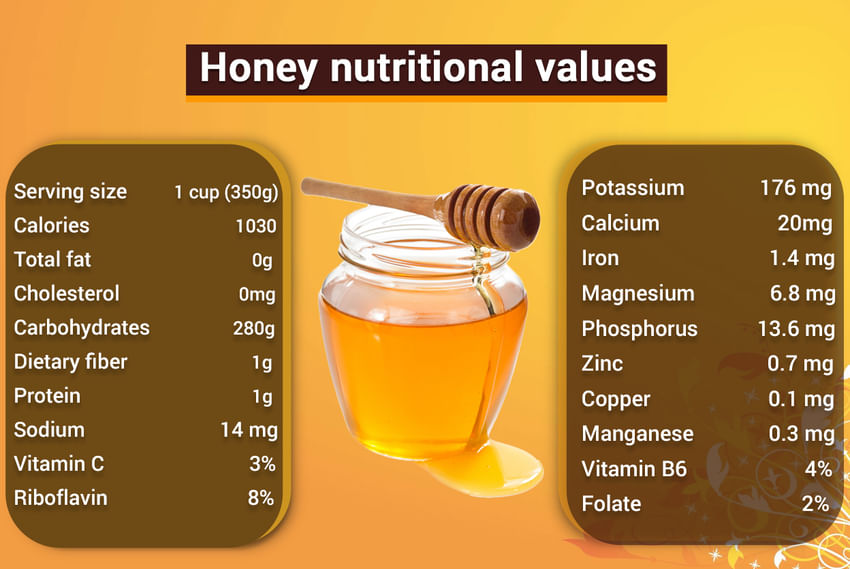

Absolutely! Here’s an article on the nutritional value of sugarbag honey, followed by a recipe list.
The Sweet Secret of the Outback: Unveiling the Nutritional Value of Sugarbag Honey
Australia’s vast and ancient landscapes hold a treasure trove of natural wonders, and among them is a delicacy with a rich history and a surprising nutritional profile: sugarbag honey. Produced by native stingless bees, scientifically known as Tetragonula carbonaria and Tetragonula hockingsi, this honey is far more than just a sweet treat. It’s a potent elixir, brimming with unique compounds and offering a distinct nutritional advantage over its more common honeybee counterparts. For millennia, Indigenous Australians have revered sugarbag honey, not only for its exquisite taste but also for its perceived medicinal properties. Today, scientific research is beginning to unravel the secrets behind this remarkable honey, revealing a complex array of nutrients that contribute to its health-promoting qualities.
What Makes Sugarbag Honey Different?
The fundamental difference between sugarbag honey and traditional honey lies in the bees that produce it. Stingless bees, as their name suggests, lack a functional sting and are generally smaller and more timid than European honeybees. Their nesting habits also differ, with stingless bees often building their hives in hollow trees, rock crevices, or even underground. These distinct biological characteristics influence the composition of the honey they produce.
One of the most striking differences is the moisture content. Sugarbag honey typically has a lower moisture content than commercial honey, often ranging from 15-20% compared to the 17-25% found in typical honey. This lower water content contributes to a thicker, more viscous texture and, importantly, enhances its shelf life and reduces the likelihood of fermentation.
Another key differentiator is the acidity. Sugarbag honey tends to be more acidic, with a lower pH than honey produced by European honeybees. This increased acidity can contribute to its antimicrobial properties and may play a role in its preservation.
A Deep Dive into the Nutritional Profile
While all raw, unpasteurized honey offers a spectrum of beneficial compounds, sugarbag honey stands out due to the specific floral sources its bees forage on and the unique enzymatic activity of these native bees. Let’s explore its key nutritional components:
1. Carbohydrates: The Natural Energy Source
Like all honeys, the primary carbohydrate component of sugarbag honey is a complex mixture of sugars, predominantly fructose and glucose. These simple sugars are easily digestible and provide a readily available source of energy. The ratio of fructose to glucose can vary depending on the floral sources, but generally, fructose is present in slightly higher amounts. This contributes to its characteristic sweetness and lower glycemic index compared to refined sugars.
Beyond fructose and glucose, sugarbag honey may also contain trace amounts of other disaccharides like sucrose and maltose, as well as oligosaccharides. These complex carbohydrates can act as prebiotics, feeding beneficial bacteria in the gut and promoting digestive health.


2. Antioxidants: The Guardians of Cellular Health
Perhaps the most celebrated nutritional aspect of sugarbag honey is its rich antioxidant content. Antioxidants are vital compounds that protect our cells from damage caused by free radicals, unstable molecules that contribute to aging and chronic diseases. Sugarbag honey is a veritable powerhouse of these protective agents, boasting a higher concentration of certain antioxidants compared to many other honeys.
- Phenolic Compounds: These are the stars of the antioxidant show in sugarbag honey. They include flavonoids like chrysin, apigenin, and quercetin, as well as phenolic acids such as gallic acid and caffeic acid. These compounds are known for their anti-inflammatory, antimicrobial, and even potential anti-cancer properties. Research has indicated that sugarbag honey can exhibit significant antioxidant activity due to the presence of these potent phenolics.
- Enzymatic Antioxidants: The stingless bees themselves contribute to the antioxidant profile through their enzymatic activity. Enzymes like glucose oxidase, present in honey, convert glucose into gluconic acid and hydrogen peroxide. While hydrogen peroxide is produced in small amounts and is temporary, it contributes to the honey’s antimicrobial effects. Other enzymes like catalase and amylase also play a role in the complex biochemical processes within the honey.
The specific types and concentrations of antioxidants will vary based on the floral sources the bees visit. Australian native flora, such as eucalyptus, bottlebrush, and tea tree, are rich in polyphenols, which are then incorporated into the honey.
3. Vitamins and Minerals: A Supporting Cast of Nutrients
While not a primary source of vitamins and minerals, sugarbag honey does contain a modest amount of these essential micronutrients. These are typically present in trace amounts, but collectively they contribute to its overall nutritional value.
- Vitamins: You might find small quantities of B vitamins (like riboflavin, niacin, and pantothenic acid) and vitamin C. These play crucial roles in energy metabolism and immune function.
- Minerals: Sugarbag honey can contain trace amounts of minerals such as potassium, calcium, magnesium, phosphorus, and zinc. These minerals are important for various bodily functions, including nerve transmission, muscle function, and bone health.
It’s important to remember that the quantities of vitamins and minerals are not significant enough to meet daily requirements, but they add to the complex nutritional tapestry of this unique honey.
4. Amino Acids: The Building Blocks of Life
Amino acids are the building blocks of proteins, and they are also present in small amounts in sugarbag honey. These can contribute to its overall biological activity and may play a role in its wound-healing properties.
5. Other Bioactive Compounds
Beyond the well-known categories, sugarbag honey contains a variety of other bioactive compounds that contribute to its health benefits:
- Organic Acids: Besides gluconic acid, other organic acids contribute to the honey’s flavor profile and its antimicrobial activity.
- Enzymes: As mentioned earlier, enzymes are crucial for honey production and contribute to its therapeutic properties.
- Pollen Grains: Although filtered to some extent, trace amounts of pollen can remain, providing a source of additional nutrients and potential allergens (for those sensitive to specific pollens).
Health Benefits Associated with Sugarbag Honey
The unique nutritional composition of sugarbag honey translates into a range of potential health benefits:
- Antimicrobial Properties: The combination of low pH, high sugar concentration, and the presence of hydrogen peroxide and phenolic compounds gives sugarbag honey potent antimicrobial activity against a range of bacteria and fungi. This has led to its traditional use in wound healing and for treating infections.
- Antioxidant Protection: The high antioxidant content helps combat oxidative stress, potentially reducing the risk of chronic diseases like heart disease, cancer, and neurodegenerative disorders.
- Digestive Health: The prebiotic properties of oligosaccharides can support a healthy gut microbiome, aiding digestion and improving nutrient absorption.
- Wound Healing: Historically, sugarbag honey has been applied topically to wounds to promote healing and prevent infection. Modern research is investigating its efficacy in this area.
- Soothing Sore Throats: Like all honeys, sugarbag honey can help to soothe sore throats and coughs due to its viscous nature and antibacterial properties.
- Energy Boost: The natural sugars provide a quick and sustained energy release.
Why Choose Raw and Unpasteurized Sugarbag Honey?
To fully reap the nutritional and health benefits of sugarbag honey, it’s crucial to consume it in its raw and unpasteurized form. Pasteurization, a process often used for commercial honey to prevent crystallization and extend shelf life, can significantly degrade the beneficial enzymes and antioxidants. Raw sugarbag honey retains its natural compounds, making it a more potent and valuable food.
Incorporating Sugarbag Honey into Your Diet: Recipes
While sugarbag honey’s unique flavor profile is often best appreciated on its own, it can also be a delightful addition to a variety of dishes. Its slightly tart and complex notes can add depth and interest.
Here are a few recipe ideas to get you started:
1. Simple Sugarbag Honey Drizzle (The Purest Experience)
-
Ingredients:
- Your favorite raw sugarbag honey
-
Instructions:
- Simply drizzle a spoonful of sugarbag honey over plain yogurt, a slice of whole-wheat toast, or fresh fruit like berries or apple slices. Savor the pure, unadulterated sweetness and complex flavors.
2. Sugarbag Honey & Lemon Vinaigrette
This vinaigrette offers a bright and zesty flavor with a touch of natural sweetness.
-
Ingredients:
- 3 tablespoons extra virgin olive oil
- 1 tablespoon fresh lemon juice
- 1 teaspoon sugarbag honey
- 1/2 teaspoon Dijon mustard (optional, for emulsification)
- Pinch of salt and freshly ground black pepper
-
Instructions:
- In a small bowl or jar, whisk together the lemon juice, sugarbag honey, and Dijon mustard (if using).
- Slowly drizzle in the olive oil while continuously whisking until the vinaigrette emulsifies and thickens.
- Season with salt and pepper to taste.
- This vinaigrette is perfect for green salads, grilled vegetables, or as a marinade for chicken or fish.
3. Sugarbag Honey Glazed Roasted Vegetables
The natural sugars in the honey caramelize beautifully, creating a delicious glaze for roasted vegetables.
-
Ingredients:
- Assorted seasonal vegetables (e.g., carrots, parsnips, sweet potatoes, broccoli florets, red onion wedges)
- 2-3 tablespoons sugarbag honey
- 1-2 tablespoons olive oil
- Salt and freshly ground black pepper
- Fresh herbs like rosemary or thyme (optional)
-
Instructions:
- Preheat your oven to 200°C (400°F).
- Wash and chop your vegetables into bite-sized pieces.
- In a large bowl, toss the vegetables with olive oil, salt, and pepper.
- Spread the vegetables in a single layer on a baking sheet.
- Roast for 20-25 minutes, or until the vegetables are starting to soften.
- Remove the baking sheet from the oven. Drizzle the sugarbag honey evenly over the vegetables and toss gently to coat.
- Return to the oven and roast for another 10-15 minutes, or until the vegetables are tender and caramelized. Add fresh herbs during the last 5 minutes of roasting.
4. Sugarbag Honey & Ginger Tea (Soothing Elixir)
A warming and comforting drink, perfect for a chilly evening or when feeling under the weather.
-
Ingredients:
- 1 cup hot water
- 1-2 teaspoons fresh ginger, grated or thinly sliced
- 1-2 teaspoons sugarbag honey
- A squeeze of fresh lemon juice (optional)
-
Instructions:
- Place the grated ginger in a mug.
- Pour the hot water over the ginger and let it steep for 5-10 minutes.
- Strain the liquid into another mug (or leave the ginger in for a stronger flavor).
- Stir in the sugarbag honey until dissolved.
- Add a squeeze of lemon juice if desired.
5. Sugarbag Honey in Baking (Use with Caution!)
When using sugarbag honey in baking, remember that its unique flavor can be quite pronounced. It’s best suited for recipes where its distinctiveness can shine, or in smaller quantities to complement other flavors. You may need to slightly adjust other liquid ingredients in your recipe as honey is less watery than sugar.
- Example: Add a tablespoon or two to your favorite muffin or scone recipe for a subtle, complex sweetness.
Conclusion
Sugarbag honey is a testament to the incredible biodiversity and natural bounty of Australia. Its rich nutritional profile, characterized by a high antioxidant content, unique phenolic compounds, and beneficial enzymes, sets it apart from ordinary honey. Beyond its impressive nutritional value, its historical significance and unique flavor make it a truly special food. By understanding and appreciating the "sweet secret of the outback," we can incorporate this remarkable honey into our diets, not just for its delightful taste, but for the potential health benefits it offers, connecting us to the ancient wisdom of Indigenous Australians and the vibrant ecosystems they have long protected.


