
The Sweet Elixir of the Bush: Unearthing the Traditional Uses of Sugarbag Honey
For millennia, Indigenous Australian communities have cultivated a profound understanding of the natural world, a knowledge passed down through generations. Among the many treasures of the Australian bush, sugarbag honey, produced by native stingless bees, holds a special place. More than just a sweetener, this liquid gold has been a vital source of nutrition, medicine, and cultural significance for Aboriginal peoples for countless generations. This article delves into the rich tapestry of traditional uses of sugarbag honey, exploring its historical importance, medicinal properties, and enduring legacy.
What is Sugarbag Honey?
Before we explore its uses, it’s crucial to understand what sugarbag honey is. It’s the product of various species of native stingless bees, primarily from the Tetragonula and Austroplebeia genera. Unlike their European honey bee counterparts, these bees are small, lack stingers, and nest in tree hollows or other protected cavities. The honey they produce is often characterized by its unique flavor profile, which can range from tart and citrusy to floral and earthy, depending on the floral sources available to the bees. The honey is also typically more liquid and has a higher moisture content than European honey. The term "sugarbag" itself refers to the communal hive, often a hollow in a tree, where the bees store their precious bounty.
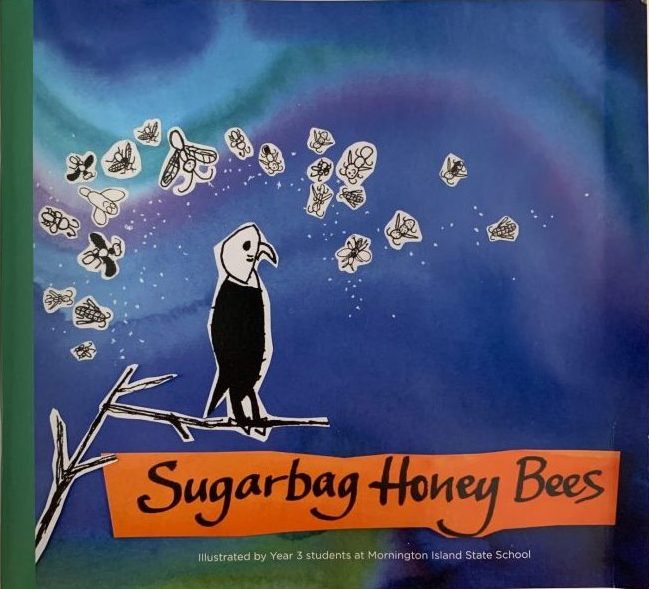
A Staple of Indigenous Diet and Sustenance
For Aboriginal communities across Australia, sugarbag honey was a crucial component of their diet. It provided a readily available source of energy, particularly in arid and semi-arid regions where other food sources could be scarce. The high sugar content offered a quick energy boost, essential for foraging, hunting, and navigating vast landscapes.
Beyond its energy value, sugarbag honey was a valuable source of essential nutrients. It contains natural sugars (fructose and glucose), enzymes, antioxidants, and trace amounts of vitamins and minerals. The complex carbohydrate profile also contributed to sustained energy release. Indigenous peoples understood the importance of this natural sweetener in their balanced diet, which often consisted of bush fruits, seeds, roots, and game.
The collection of sugarbag honey was a skilled practice, often involving intimate knowledge of bee behavior, nesting sites, and the seasons. Traditional methods of harvesting were sustainable, ensuring the continuation of bee populations and future honey yields. This deep respect for the natural cycle highlights the interconnectedness of Indigenous cultures with their environment.
The Medicinal Cabinet of the Bush: Traditional Healing Properties
The traditional medicinal uses of sugarbag honey are perhaps one of its most remarkable aspects. Aboriginal healers and communities recognized its therapeutic potential for a wide range of ailments.
-

Wound Healing and Antiseptic Properties: One of the most widely documented uses of sugarbag honey was for treating wounds, burns, and skin infections. The natural antibacterial and antiseptic properties of honey, attributed to its low pH, high sugar concentration (creating an osmotic effect that dehydrates bacteria), and the presence of hydrogen peroxide-producing enzymes, made it an effective natural disinfectant. Applied directly to cuts, abrasions, or burns, it helped to cleanse the wound, prevent infection, and promote faster healing. The sticky consistency also provided a natural protective barrier.
-
Soothing Sore Throats and Coughs: Like its European counterpart, sugarbag honey was a popular remedy for alleviating sore throats, coughs, and respiratory discomfort. Its smooth texture coated the throat, providing immediate relief from irritation, while its natural sweetness helped to suppress cough reflexes. Some traditions also believed it helped to loosen phlegm.
-
Digestive Aid: Sugarbag honey was traditionally used to address various digestive issues. It was believed to aid digestion, relieve stomach aches, and alleviate symptoms of indigestion or upset stomach. The enzymes present in honey can assist in the breakdown of food, and its prebiotic properties may support a healthy gut microbiome.
-
Eye Treatments: In some Indigenous communities, diluted sugarbag honey was carefully used as an eyewash to treat minor eye infections, irritation, or inflammation. The antiseptic qualities were believed to help clear up infections and reduce redness. This practice required immense skill and knowledge to ensure proper dilution and sterile application.
-
General Health and Well-being: Beyond specific ailments, sugarbag honey was also consumed regularly as a tonic to maintain overall health and well-being. It was seen as a way to boost the immune system and provide the body with vital energy. Its perceived ability to improve vitality and ward off illness made it a valuable part of a preventative healthcare approach.
-
Symbolic and Spiritual Significance: The use of sugarbag honey was not solely pragmatic; it was also imbued with deep symbolic and spiritual meaning. The bees themselves were often viewed with reverence, and the act of collecting honey was a ritualistic practice. Honey was sometimes used in ceremonies, offerings, and as a symbol of connection to the land and its spirits. The sweetness of the honey was also associated with positive emotions and prosperity.
The Decline and Revival of Traditional Practices
With the arrival of European settlers and the subsequent disruption of Indigenous cultures and traditional practices, the knowledge and widespread use of sugarbag honey began to decline in many areas. The introduction of European honey bees and commercial beekeeping also presented a different approach to honey production.
However, in recent decades, there has been a significant resurgence of interest in Indigenous knowledge systems, including the sustainable harvesting and traditional uses of sugarbag honey. Many Indigenous communities are actively working to preserve and revitalize these practices, recognizing their cultural, economic, and medicinal value. This revival involves not only the collection of honey but also the sharing of traditional knowledge about its uses and the importance of preserving the habitats of native stingless bees.
Modern Perspectives and Potential
While traditional knowledge has long recognized the benefits of sugarbag honey, modern scientific research is beginning to validate many of these claims. Studies are exploring the unique phytochemical profiles of sugarbag honey from different regions and bee species, investigating its antioxidant, anti-inflammatory, and antimicrobial properties. This research holds the potential to unlock new therapeutic applications and contribute to a deeper understanding of this ancient superfood.
Sugarbag Honey in the Modern Kitchen: A Culinary Delight
While its traditional medicinal uses are profound, sugarbag honey is also a delightful addition to modern cuisine. Its complex and often nuanced flavors offer a unique alternative to commercially produced honey.
Here are a few ideas for incorporating sugarbag honey into your cooking:
Recipes Featuring the Unique Flavors of Sugarbag Honey
Sugarbag honey’s distinctive taste, ranging from tart and citrusy to floral and earthy, makes it a versatile ingredient in the kitchen. These recipes aim to highlight its natural flavors, allowing them to shine through.
Important Note: The intensity and specific flavor profile of sugarbag honey can vary greatly depending on the bee species, the floral sources available, and the region. Experiment with your honey to discover its unique characteristics and adjust these recipes accordingly.
1. Simple Sugarbag Honey Drizzle
This is the purest way to appreciate the honey’s natural flavor.
Ingredients:
- 2-3 tablespoons of fresh Sugarbag Honey
Instructions:
- Gently warm the sugarbag honey if it’s too viscous (do not overheat, as this can diminish beneficial properties). A brief soak in warm water is sufficient.
- Drizzle generously over:
- Plain yogurt (Greek or natural)
- Fresh fruit salad
- Warm scones or crusty bread
- Porridge or oatmeal
- As a topping for pancakes or waffles
Why it works: This simple preparation allows the unadulterated flavor of the honey to be the star. The natural sweetness and subtle notes complement a variety of dishes without overpowering them.
2. Sugarbag Honey & Native Bush Lemon Vinaigrette
A zesty and refreshing dressing that showcases the honey’s tartness or floral notes.
Ingredients:
- 3 tablespoons Sugarbag Honey
- 2 tablespoons fresh lemon juice (or native bush lemon juice if available)
- 1 tablespoon white wine vinegar or apple cider vinegar
- 1/4 cup extra virgin olive oil
- Pinch of salt
- Freshly ground black pepper to taste
Instructions:
- In a small bowl, whisk together the sugarbag honey, lemon juice, and vinegar.
- Slowly drizzle in the olive oil while continuously whisking until the dressing emulsifies.
- Season with salt and pepper to taste.
- Serve over mixed greens, roasted vegetables, or as a marinade for chicken or fish.
Why it works: The acidity of the lemon and vinegar balances the sweetness of the honey, creating a well-rounded vinaigrette. The honey adds a unique depth of flavor that a standard sweetener wouldn’t provide.
3. Sugarbag Honey Glazed Roasted Vegetables
A simple way to add a touch of sweetness and a beautiful glaze to your favorite vegetables.
Ingredients:
- 2 cups mixed seasonal vegetables (e.g., carrots, sweet potatoes, parsnips, broccoli florets, red onion wedges)
- 1 tablespoon olive oil
- 2 tablespoons Sugarbag Honey
- 1/2 teaspoon dried herbs (e.g., rosemary, thyme) or a pinch of native herbs if available
- Salt and freshly ground black pepper to taste
Instructions:
- Preheat your oven to 200°C (400°F).
- Toss the vegetables with olive oil, salt, and pepper on a baking sheet.
- Roast for 15-20 minutes, or until the vegetables are beginning to soften.
- While the vegetables are roasting, gently warm the sugarbag honey.
- Drizzle the warmed honey and sprinkle the dried herbs over the partially roasted vegetables.
- Toss to coat evenly.
- Return to the oven for another 10-15 minutes, or until the vegetables are tender and glazed.
Why it works: The heat of the oven caramelizes the natural sugars in the vegetables, and the honey enhances this process, creating a delicious sweet and savory glaze.
4. Sugarbag Honey and Ginger Tea
A soothing and invigorating drink, perfect for a chilly day or when feeling under the weather.
Ingredients:
- 1 cup hot water
- 1 teaspoon freshly grated ginger (or a small slice of fresh ginger)
- 1-2 teaspoons Sugarbag Honey (adjust to taste)
- Optional: A squeeze of lemon juice
Instructions:
- Place the grated ginger (or ginger slice) in a mug.
- Pour the hot water over the ginger and let it steep for 5-10 minutes.
- Strain out the ginger if using a slice, or leave it in if you prefer.
- Stir in the sugarbag honey until dissolved.
- Add a squeeze of lemon juice if desired.
Why it works: This is a classic comforting drink. The ginger provides warmth and a slight spice, while the honey soothes the throat and adds natural sweetness. This recipe taps into the traditional medicinal uses for sore throats and general well-being.
5. Sugarbag Honey & Native Berry Compote
A simple compote that can be served with breakfast, desserts, or as a topping.
Ingredients:
- 2 cups mixed native berries (e.g., quandongs, lilly pillies, or other seasonal berries if native ones are unavailable)
- 2-3 tablespoons Sugarbag Honey (adjust to the sweetness of the berries)
- 1 tablespoon water (or lemon juice for extra tang)
Instructions:
- Combine the berries, sugarbag honey, and water (or lemon juice) in a saucepan.
- Cook over medium heat, stirring occasionally, until the berries soften and release their juices, and the mixture thickens slightly (about 5-10 minutes).
- Allow to cool slightly before serving.
Why it works: The honey not only sweetens the compote but also adds its unique flavor notes, complementing the tartness or earthiness of the berries.
The enduring legacy of sugarbag honey is a testament to the wisdom of Indigenous Australians and the remarkable bounty of the natural world. As we continue to explore and appreciate its complex flavors and potential benefits, it is essential to do so with respect for its origins and the cultural heritage it represents. Sugarbag honey is more than just a food; it is a connection to the land, a link to ancient traditions, and a sweet reminder of the profound knowledge held within Indigenous cultures.


