Tag: aiming around 1

  • Karkalla plant for sale

    Karkalla plant for sale

    Absolutely! Here's an article about Karkalla plants for sale, aiming for around 1,200 words, along with some recipe ideas.

    Absolutely! Here’s an article about Karkalla plants for sale, aiming for around 1,200 words, along with some recipe ideas.

    The Emerald Jewel of the Coast: Discovering and Growing the Vibrant Karkalla

    In the world of native Australian flora, few plants possess the unique charm and resilience of the Karkalla, also known scientifically as Carpobrotus glaucescens. This succulent, often found gracing coastal dunes and rocky shorelands, is more than just a pretty face. It’s a hardy survivor, a source of sustenance, and increasingly, a sought-after addition to gardens across the continent and beyond. If you’re looking for a plant that offers both aesthetic appeal and ecological benefits, then the Karkalla plant for sale is an opportunity you won’t want to miss.

    A Glimpse into the Karkalla’s Natural Habitat

    Karkalla plant for sale

    Imagine the rugged Australian coastline, where salty winds whip across the sand and the sun beats down relentlessly. It’s in these challenging environments that the Karkalla thrives. Its common name, Pigface, derives from the distinctive shape of its fleshy, triangular leaves, which are reminiscent of a pig’s snout. These leaves are not just for show; they are a testament to the plant’s incredible ability to store water, allowing it to survive long periods of drought and the constant salt spray.

    The Karkalla’s natural range extends along the eastern and southern coasts of Australia, from Queensland down to Western Australia. It’s a vital component of the coastal ecosystem, helping to stabilize sand dunes, prevent erosion, and provide habitat for various insects and small animals. Its vibrant, daisy-like flowers, typically magenta or pink, bloom prolifically during the warmer months, adding a splash of color to the often-monochromatic coastal landscape. These flowers are not only beautiful but also attract pollinators, further contributing to the health of the local environment.

    Why Bring Karkalla into Your Garden?

    The appeal of Karkalla extends far beyond its natural habitat. For home gardeners, it offers a compelling combination of desirable traits:

    • Exceptional Drought Tolerance: This is perhaps its most celebrated characteristic. If you live in a dry climate, or simply want a low-maintenance garden, Karkalla is an ideal choice. It requires very little watering once established, making it a water-wise solution for arid regions.
    • Salt Tolerance: Its natural coastal upbringing means Karkalla can withstand high levels of salinity. This makes it perfect for gardens near the coast, or for areas where soil salinity might be an issue.
    • Low Maintenance: Beyond watering, Karkalla demands little. It’s not prone to many pests or diseases and generally looks good with minimal intervention. Pruning can be done to manage its spread or to encourage bushier growth, but it’s not a necessity for survival.
    • Karkalla plant for sale

    • Groundcover and Erosion Control: Karkalla spreads by runners, forming a dense mat that effectively suppresses weeds and prevents soil erosion. This makes it an excellent choice for slopes, embankments, and areas prone to wind or water damage.
    • Stunning Visual Appeal: The glossy, succulent leaves provide year-round greenery, and the vibrant flowers in spring and summer are a true spectacle. The plant’s sprawling habit creates a relaxed, informal aesthetic that complements many garden styles, from modern minimalist to rustic coastal.
    • Edible and Medicinal Properties: Historically, Indigenous Australians utilized the Karkalla for both food and medicinal purposes. The fleshy fruits and leaves are edible, offering a unique, slightly salty, and tangy flavor. The gel within the leaves has also been traditionally used to soothe burns and skin irritations.

    Finding Karkalla Plants for Sale

    As the popularity of Karkalla grows, so does its availability. You can typically find Karkalla plants for sale through several avenues:

    • Local Nurseries and Garden Centers: Many reputable nurseries, especially those specializing in native Australian plants, will stock Karkalla. It’s always a good idea to visit in person to see the quality of the plants and get advice from knowledgeable staff.
    • Online Plant Retailers: A growing number of online nurseries offer a wide selection of native plants, including Karkalla. This is a convenient option, especially if local options are limited. Ensure you choose a reputable online seller with good reviews for shipping live plants.
    • Native Plant Societies and Local Plant Swaps: These organizations often have sales or events where you can acquire Karkalla and other native species directly from growers or enthusiasts. This is a fantastic way to get locally adapted plants and connect with other native plant lovers.
    • Specialty Succulent Nurseries: While Karkalla is a succulent, some nurseries that focus solely on succulents may also carry it.

    When purchasing Karkalla, look for healthy, vigorous plants with firm, green leaves and no signs of wilting or disease. The size of the plant will vary depending on its age and the nursery’s offerings, but generally, you’ll find them in small pots or punnets, ready for planting.

    Cultivating Your Karkalla: From Pot to Garden

    Bringing your Karkalla home is the exciting part! Fortunately, its cultivation is refreshingly straightforward, making it an excellent choice for both novice and experienced gardeners.

    1. Choosing the Right Location:

    Karkalla thrives in full sun. The more sun it receives, the more compact and prolific its flowering will be. While it can tolerate some partial shade, it may become leggy and produce fewer flowers.

    2. Soil and Drainage:

    This is arguably the most crucial factor for Karkalla’s success. It absolutely must have well-draining soil. It cannot tolerate waterlogged conditions, which can lead to root rot.

    • Sandy or Gritty Soil: Karkalla naturally grows in sandy coastal soils, so replicating this is ideal. If you have heavy clay soil, amend it generously with coarse sand, grit, or perlite.
    • Raised Beds or Pots: If your soil is particularly heavy, consider planting Karkalla in raised garden beds or in containers. This ensures excellent drainage. For pots, use a well-draining potting mix designed for succulents or cacti.

    3. Planting:

    • Spacing: Karkalla spreads, so give it room to grow. The ideal spacing will depend on how quickly you want it to cover an area, but generally, plant them about 30-60 cm (1-2 feet) apart.
    • Planting Depth: Plant the Karkalla at the same depth it was in its nursery pot.
    • Initial Watering: Water thoroughly after planting to help settle the soil around the roots.

    4. Watering and Feeding:

    • Drought Tolerant: Once established, Karkalla is incredibly drought-tolerant. Overwatering is its biggest enemy. Water only when the soil is completely dry to the touch. In most regions, rainfall will be sufficient once the plant is established.
    • Fertilizing: Karkalla is not a heavy feeder. In fact, too much fertilizer can lead to soft, weak growth. If you feel the need to fertilize, use a diluted, low-nitrogen liquid fertilizer once in the spring. Many gardeners find that no fertilization is necessary at all, especially if planted in reasonably good soil.

    5. Pruning and Maintenance:

    • Managing Spread: Karkalla can spread quite enthusiastically. If you want to keep it in check or encourage a denser growth habit, you can prune it. Pruning can be done by simply cutting back the stems. The cuttings can often be propagated to create new plants.
    • Flowering: Regular flowering is generally stimulated by good sunlight and well-drained soil. Removing spent flowers isn’t usually necessary.

    6. Propagation:

    Karkalla is incredibly easy to propagate. You can simply take cuttings from existing stems and plant them directly into well-draining soil or sand. They will root readily.

    Culinary Delights: The Edible Side of Karkalla

    Beyond its ornamental and ecological value, the Karkalla offers a unique culinary experience. Both the fleshy leaves and the fruits are edible and have been a traditional food source for Indigenous Australians for millennia.

    The Leaves: The triangular leaves have a refreshing, slightly salty, and tangy flavor. They can be eaten raw, adding a crisp texture and a subtle zing to salads. They can also be finely chopped and added to dips, salsas, or marinades. Think of them as a natural salty seasoning!

    The Fruits: The small, fleshy fruits, which develop after the flowers fade, are typically reddish-purple. They have a sweet, slightly tangy, and sometimes berry-like flavor. They can be eaten fresh, or used to make jams, jellies, or chutneys. The texture is somewhat pulpy.

    Important Considerations for Consumption:

    • Harvesting: Always harvest sustainably and ensure you are not depleting wild populations. If harvesting from your own garden, do so responsibly.
    • Identification: While Karkalla (Carpobrotus glaucescens) is well-known for its edibility, always be absolutely certain of your identification before consuming any plant. If in doubt, do not eat it.
    • Preparation: Wash all plant parts thoroughly before consumption.

    Karkalla Recipe Ideas: A Taste of the Coast

    Here are a few simple ways to enjoy the unique flavors of Karkalla:

    1. Karkalla Leaf Salad with Lemon Vinaigrette

    A refreshing and simple way to experience the crisp, salty tang of Karkalla leaves.

    Ingredients:

    • 1 cup fresh Karkalla leaves, rinsed and finely chopped
    • 1/2 cup mixed greens (e.g., rocket, spinach)
    • 1/4 cup cherry tomatoes, halved
    • 2 tablespoons red onion, thinly sliced
    • 1 tablespoon toasted sunflower seeds or pumpkin seeds

    For the Vinaigrette:

    • 2 tablespoons extra virgin olive oil
    • 1 tablespoon fresh lemon juice
    • 1/2 teaspoon honey or agave nectar (optional)
    • Salt and freshly ground black pepper to taste

    Instructions:

    1. In a small bowl, whisk together the olive oil, lemon juice, and honey (if using). Season with salt and pepper.
    2. In a medium bowl, combine the chopped Karkalla leaves, mixed greens, cherry tomatoes, and red onion.
    3. Drizzle the vinaigrette over the salad and toss gently to combine.
    4. Sprinkle with toasted seeds before serving.

    2. Karkalla Fruit Jam

    A delightful way to preserve the sweet and tangy flavor of Karkalla fruits.

    Ingredients:

    • 2 cups ripe Karkalla fruits, rinsed
    • 1 cup granulated sugar (adjust to taste)
    • 1 tablespoon lemon juice
    • 1 teaspoon grated ginger (optional, for a spicy kick)

    Instructions:

    1. Place the Karkalla fruits in a saucepan. Add a splash of water if they seem dry.
    2. Cook over medium heat, stirring occasionally, until the fruits soften and release their juices. This may take about 10-15 minutes.
    3. Mash the fruits gently with a fork or potato masher to break them down.
    4. Stir in the sugar, lemon juice, and ginger (if using).
    5. Bring the mixture to a boil, then reduce the heat to low and simmer, stirring frequently, until the jam thickens. This can take anywhere from 30 minutes to over an hour, depending on the water content of the fruit. Test for set by placing a small amount on a chilled plate; it should wrinkle when pushed.
    6. Skim off any foam that rises to the surface.
    7. Pour the hot jam into sterilized jars and seal them. Allow to cool completely before storing in the refrigerator.

    3. Karkalla and Feta Dip

    A vibrant and flavorful dip with a unique salty-sweet profile.

    Ingredients:

    • 1/2 cup fresh Karkalla leaves, rinsed and finely chopped
    • 1/2 cup crumbled feta cheese
    • 1/4 cup Greek yogurt or sour cream
    • 1 clove garlic, minced
    • 1 tablespoon fresh mint, finely chopped
    • 1 tablespoon lemon juice
    • Pinch of red pepper flakes (optional)
    • Salt and freshly ground black pepper to taste

    Instructions:

    1. In a medium bowl, combine the chopped Karkalla leaves, feta cheese, Greek yogurt, minced garlic, mint, and lemon juice.
    2. Stir well to combine all ingredients.
    3. Add red pepper flakes if desired for a touch of heat.
    4. Season with salt and pepper to taste. Be mindful of the saltiness from the feta and Karkalla.
    5. Cover and refrigerate for at least 30 minutes to allow the flavors to meld.
    6. Serve with crackers, pita bread, or fresh vegetable sticks.

    The Enduring Appeal of Karkalla

    Whether you’re drawn to its drought-busting capabilities, its striking appearance, or its surprising edibility, the Karkalla plant offers a wealth of benefits. As more gardeners discover the advantages of incorporating native species into their landscapes, the Karkalla is deservedly gaining recognition. When you see Karkalla plants for sale, consider bringing this resilient and beautiful emerald jewel of the coast into your own garden. You’ll be rewarded with a plant that is not only easy to grow and stunning to behold but also connects you to the unique natural heritage of Australia.

  • Kangaroo sausage recipes

    Kangaroo sausage recipes

    Absolutely! Here's an article about kangaroo sausage recipes, aiming for around 1,200 words, along with a recipe listing.

    Absolutely! Here’s an article about kangaroo sausage recipes, aiming for around 1,200 words, along with a recipe listing.

    Unleashing the Wild: A Culinary Exploration of Kangaroo Sausage

    The vast, wild landscapes of Australia conjure images of iconic marsupials bounding across the red earth. Among these, the kangaroo stands as a potent symbol of the continent’s unique biodiversity. While often associated with nature documentaries and national pride, the kangaroo also holds a surprising and increasingly popular place in the culinary world, particularly in the form of kangaroo sausage. For adventurous food lovers and those seeking a lean, sustainable protein, exploring kangaroo sausage recipes offers a fascinating journey into a distinctive and flavourful ingredient.

    Kangaroo sausage recipes

    The Rise of Kangaroo Meat: From Indigenous Staple to Modern Delicacy

    For millennia, Indigenous Australians have sustainably harvested kangaroo meat, recognizing its nutritional value and abundance. It was a vital source of protein, lean and readily available across various regions. However, for a significant period, kangaroo meat remained outside the mainstream Australian diet, often overlooked in favour of more conventional livestock.

    In recent decades, a growing awareness of the environmental and health benefits of kangaroo meat has propelled it into a more prominent culinary position. Kangaroos are wild animals, requiring no artificial feeding, land clearing for pasture, or intensive farming practices. This makes their meat an exceptionally sustainable and eco-friendly choice. Nutritionally, kangaroo meat is lean, high in protein, iron, and zinc, while being low in fat, making it an attractive option for health-conscious consumers.

    Kangaroo sausage, in particular, has emerged as a gateway for many to experience this unique protein. The familiar format of a sausage allows for the introduction of kangaroo flavour without being overly challenging, and the addition of herbs, spices, and sometimes other meats can create a delightful culinary experience.

    Understanding the Flavour Profile of Kangaroo Sausage

    Before diving into recipes, it’s essential to understand what kangaroo sausage tastes like. Kangaroo meat itself is often described as having a rich, gamey flavour, distinct from beef or lamb. It’s generally deeper and more intense, with subtle earthy undertones. When processed into sausage, this inherent flavour is often balanced and enhanced by the seasonings used.

    The fat content of kangaroo meat is very low, which can sometimes lead to a slightly drier texture if not handled correctly. This is where the art of sausage making comes into play. Fat is often added during the grinding and mixing process to ensure succulence and to carry flavours effectively. Common additions include pork fat or even beef fat, though some recipes aim for an even leaner profile.

    The flavour of kangaroo sausage can vary significantly depending on the specific blend of herbs and spices used by the butcher or in a homemade recipe. Common additions include:

    Kangaroo sausage recipes

    • Herbs: Rosemary, thyme, sage, parsley, oregano.
    • Spices: Black pepper, garlic, onion, coriander, paprika, nutmeg, allspice.
    • Acids: Red wine, balsamic vinegar, or even a touch of fruit juice can add complexity and tenderness.
    • Sweeteners: A hint of honey or sugar can sometimes be used to balance the gaminess.

    Why Experiment with Kangaroo Sausage Recipes?

    The appeal of kangaroo sausage recipes lies in several key areas:

    1. Uniqueness and Adventure: For the culinary explorer, kangaroo sausage offers a chance to step outside the ordinary and try something truly different. It’s a conversation starter and a way to connect with Australian heritage.
    2. Health Benefits: The lean nature of kangaroo meat makes it an excellent choice for those watching their fat intake, looking for high protein, or simply seeking a healthier alternative to conventional sausages.
    3. Sustainability: As mentioned, kangaroo meat is a highly sustainable protein source, contributing to a more environmentally conscious diet.
    4. Versatility: Despite its distinct flavour, kangaroo sausage can be incorporated into a surprisingly wide range of dishes, from simple grilling to more complex culinary creations.

    Tips for Cooking Kangaroo Sausage

    Due to its lean nature, kangaroo sausage requires a slightly different approach to cooking than its fattier counterparts. Here are some key tips:

    • Gentle Cooking: Avoid high, direct heat for extended periods, as this can dry out the sausage quickly. Opt for medium heat and be patient.
    • Don’t Overcook: Kangaroo sausage is best served when still slightly pink in the centre. Overcooking will result in a dry, tough texture.
    • Moisture is Key: When grilling or pan-frying, consider adding a splash of liquid (water, wine, broth) to the pan during the final stages of cooking, and cover it to steam the sausages. This helps to retain moisture.
    • Resting: Like any meat, allowing kangaroo sausage to rest for a few minutes after cooking will help the juices redistribute, resulting in a more succulent bite.
    • Pairing Flavours: Kangaroo sausage pairs well with robust flavours that can complement its gaminess. Think earthy mushrooms, hearty root vegetables, strong cheeses, and bold sauces.

    Exploring Kangaroo Sausage Recipes: A Culinary Canvas

    The beauty of kangaroo sausage lies in its adaptability. While it can be enjoyed in its simplest form, grilled or pan-fried and served with a side, it truly shines when incorporated into more complex dishes. Here’s a look at various recipe categories and ideas:

    1. The Classic Grilling/Pan-Frying Experience

    This is the most straightforward way to enjoy kangaroo sausage, allowing its inherent flavour to take centre stage.

    • Serve with: A dollop of robust tomato relish, a tangy mustard, or a rich mushroom sauce.
    • Accompaniments: Grilled onions, sautéed mushrooms, a fresh green salad, or roasted root vegetables.

    2. Hearty Casseroles and Stews

    The intense flavour of kangaroo sausage makes it an excellent addition to slow-cooked dishes, where it can meld with other ingredients and become wonderfully tender.

    • Kangaroo Sausage and Lentil Stew: Brown the sausage, then simmer with brown or green lentils, diced carrots, celery, onion, garlic, and a rich beef or vegetable stock. Herbs like thyme and rosemary are excellent here.
    • Sausage and Root Vegetable Bake: Slice the sausage and layer it with chunks of potato, sweet potato, parsnip, and onion. Toss with olive oil, herbs, and spices, then roast until tender and slightly caramelised.

    3. Pasta and Rice Dishes

    Kangaroo sausage can add a flavourful punch to pasta sauces and hearty rice dishes.

    • Sausage and Tomato Pasta Sauce: Remove the sausage meat from its casing, crumble, and brown it in a pan. Add diced onions, garlic, and your favourite pasta sauce ingredients (crushed tomatoes, herbs, a splash of red wine). Simmer until the flavours have melded.
    • Kangaroo Sausage Risotto: Brown crumbled sausage meat and set aside. Sauté Arborio rice with onions and garlic, then gradually add hot stock, stirring continuously. Towards the end of the cooking process, stir in the browned sausage meat, a knob of butter, and grated Parmesan cheese.

    4. Pies and Pastries

    The rich flavour of kangaroo sausage is ideal for filling savoury pies and pasties.

    • Sausage and Ale Pie: Brown the sausage meat, then simmer with sautéed onions, carrots, and a good quality ale until tender. Thicken the mixture with flour or cornstarch. Line a pie dish with puff pastry, fill with the sausage mixture, and top with pastry. Bake until golden brown.
    • Sausage Rolls with a Twist: Use kangaroo sausage meat as the filling for your sausage rolls, perhaps with the addition of finely chopped apple or a pinch of nutmeg for a subtle sweetness that complements the gaminess.

    5. Burgers and Meatballs

    Kangaroo sausage meat can be formed into burgers or meatballs for a flavourful twist on familiar favourites.

    • Kangaroo Burgers: Mix the sausage meat with finely chopped onion, garlic, and your favourite herbs. Form into patties and grill or pan-fry. Serve on a bun with a robust relish or a tangy slaw.
    • Kangaroo Meatballs: Combine sausage meat with breadcrumbs, egg, finely grated onion, and herbs. Form into small meatballs and bake or pan-fry. Serve with a marinara sauce or a creamy mushroom sauce.

    Recipe Listing: A Starting Point for Your Kangaroo Sausage Adventures

    To get you started, here are a few foundational kangaroo sausage recipes. Feel free to adapt and experiment with your favourite herbs and spices!

    Recipe 1: Classic Pan-Fried Kangaroo Sausage with Rosemary and Garlic

    This recipe focuses on simple, clean flavours to highlight the kangaroo meat.

    Yields: 4 servings
    Prep time: 5 minutes
    Cook time: 15-20 minutes

    Ingredients:

    • 4-6 kangaroo sausages (good quality, preferably from a reputable butcher)
    • 1 tablespoon olive oil
    • 2 cloves garlic, thinly sliced
    • 2 sprigs fresh rosemary
    • Salt and freshly ground black pepper to taste
    • Optional: Splash of water or red wine

    Instructions:

    1. Prepare the Sausages: If the sausages are very thick, you can lightly score them diagonally with a sharp knife to help them cook evenly.
    2. Heat the Pan: Heat the olive oil in a non-stick frying pan over medium heat.
    3. Add Aromatics: Add the sliced garlic and rosemary sprigs to the pan. Sauté for about 30 seconds until fragrant, being careful not to burn the garlic.
    4. Cook the Sausages: Add the kangaroo sausages to the pan. Cook, turning occasionally, for 15-20 minutes, or until browned and cooked through. The internal temperature should reach 71°C (160°F).
    5. Manage Moisture (Optional): If the sausages start to look dry, add a small splash of water or red wine to the pan and cover for the last few minutes of cooking. This will help create steam and keep them moist.
    6. Season and Serve: Season with salt and freshly ground black pepper to taste. Remove the rosemary sprigs before serving.
    7. Serving Suggestion: Serve hot with your favourite sides, such as roasted vegetables, mashed potatoes, or a fresh salad.

    Recipe 2: Kangaroo Sausage and Mushroom Ragù with Pappardelle

    A rich and flavourful ragù that transforms simple sausage into a gourmet pasta dish.

    Yields: 4-6 servings
    Prep time: 15 minutes
    Cook time: 45-60 minutes

    Ingredients:

    • 500g kangaroo sausage, casings removed
    • 1 tablespoon olive oil
    • 1 large onion, finely chopped
    • 2 carrots, finely diced
    • 2 celery stalks, finely diced
    • 3 cloves garlic, minced
    • 250g mixed mushrooms (e.g., button, shiitake, cremini), sliced
    • 150ml dry red wine
    • 400g can crushed tomatoes
    • 200ml beef or vegetable stock
    • 1 bay leaf
    • 1 teaspoon dried oregano
    • Salt and freshly ground black pepper to taste
    • 300-400g pappardelle pasta, or your preferred pasta
    • Fresh parsley, chopped, for garnish
    • Parmesan cheese, grated, for serving

    Instructions:

    1. Brown the Sausage: Heat the olive oil in a large, heavy-bottomed pot or Dutch oven over medium-high heat. Add the kangaroo sausage meat, breaking it up with a spoon, and cook until browned. Remove the sausage meat with a slotted spoon and set aside, leaving any rendered fat in the pot.
    2. Sauté Aromatics: Add the chopped onion, carrots, and celery to the pot. Cook over medium heat, stirring occasionally, until softened, about 8-10 minutes.
    3. Add Garlic and Mushrooms: Stir in the minced garlic and sliced mushrooms. Cook for another 5-7 minutes, until the mushrooms have released their liquid and started to brown.
    4. Deglaze: Pour in the red wine and scrape the bottom of the pot to loosen any browned bits. Let the wine simmer and reduce by about half.
    5. Simmer the Ragù: Stir in the crushed tomatoes, beef or vegetable stock, bay leaf, and oregano. Return the browned sausage meat to the pot. Bring to a simmer, then reduce the heat to low, cover, and cook for at least 30-45 minutes, or until the sauce has thickened and the flavours have melded. Stir occasionally.
    6. Season: Remove the bay leaf. Season the ragù generously with salt and freshly ground black pepper to taste.
    7. Cook Pasta: While the ragù is simmering, cook the pappardelle pasta according to package directions in a large pot of salted boiling water. Drain, reserving about a cup of the pasta water.
    8. Combine and Serve: Add the drained pasta to the pot with the ragù. Toss to coat, adding a little reserved pasta water if needed to create a smooth sauce.
    9. Garnish: Serve hot, garnished with fresh chopped parsley and grated Parmesan cheese.

    Recipe 3: Kangaroo Sausage and Apple Stuffed Pork Tenderloin

    This recipe combines the unique flavour of kangaroo sausage with the sweetness of apple and the mildness of pork.

    Yields: 4-6 servings
    Prep time: 20 minutes
    Cook time: 30-40 minutes

    Ingredients:

    • 1.5 kg pork tenderloin
    • 250g kangaroo sausage, casings removed
    • 1 small apple (e.g., Granny Smith), peeled, cored, and finely diced
    • 1/4 cup breadcrumbs
    • 1 tablespoon fresh sage, chopped
    • 1 clove garlic, minced
    • Salt and freshly ground black pepper to taste
    • Kitchen twine

    Instructions:

    1. Prepare the Pork: Butterfly the pork tenderloin by making a lengthwise cut about two-thirds of the way through the meat. Open it up like a book. Cover the pork with plastic wrap and gently pound it with a meat mallet or rolling pin to an even thickness of about 1.5-2 cm.
    2. Make the Stuffing: In a bowl, combine the kangaroo sausage meat, diced apple, breadcrumbs, chopped sage, minced garlic, salt, and pepper. Mix well to combine.
    3. Stuff the Pork: Spread the sausage and apple mixture evenly over the butterflied pork tenderloin, leaving a small border around the edges.
    4. Roll and Tie: Carefully roll up the pork tenderloin from one long side, enclosing the stuffing. Secure the roll at intervals with kitchen twine to hold its shape.
    5. Season the Pork: Season the outside of the rolled pork tenderloin with salt and freshly ground black pepper.
    6. Sear the Pork: Heat 1 tablespoon of olive oil in an oven-safe skillet over medium-high heat. Sear the pork roll on all sides until golden brown.
    7. Roast the Pork: Transfer the skillet to a preheated oven at 190°C (375°F). Roast for 25-35 minutes, or until the internal temperature of the pork reaches 63°C (145°F). The stuffing should also be cooked through.
    8. Rest and Serve: Remove the pork from the oven and let it rest for 10-15 minutes, loosely tented with foil. This allows the juices to redistribute.
    9. Slice and Serve: Remove the kitchen twine and slice the stuffed pork tenderloin into thick rounds. Serve with your favourite roasted vegetables or a simple green salad.

    The Future of Kangaroo Sausage

    As consumers become more conscious of their food choices, the appeal of sustainable and nutritious options like kangaroo meat will likely continue to grow. Kangaroo sausage, with its distinctive flavour and versatility, is perfectly positioned to be a part of this culinary evolution. Whether you’re a seasoned gourmand or a curious home cook, exploring kangaroo sausage recipes offers a unique and rewarding way to experience the wild flavours of Australia. So, embrace the adventure, experiment with these recipes, and discover the delicious potential of this remarkable protein.

  • Native American wild berry smoothie bowls

    Native American wild berry smoothie bowls

    Absolutely! Here's an article on Native American Wild Berry Smoothie Bowls, aiming for around 1,200 words, followed by a recipe listing.

    Absolutely! Here’s an article on Native American Wild Berry Smoothie Bowls, aiming for around 1,200 words, followed by a recipe listing.

    A Taste of the Ancestors: Native American Wild Berry Smoothie Bowls

    In the heart of ancient traditions and the bounty of untamed landscapes lies a culinary heritage rich with flavor and nourishment. For centuries, Native American communities have understood the profound connection between the earth and our well-being, drawing sustenance from the wild plants that flourish across diverse terrains. Among these gifts, wild berries stand out as vibrant jewels, bursting with antioxidants, vitamins, and a unique, often complex, sweetness. Today, we can honor this legacy and embrace this natural goodness by reimagining these ancestral ingredients in a modern, delightful form: the Native American Wild Berry Smoothie Bowl.

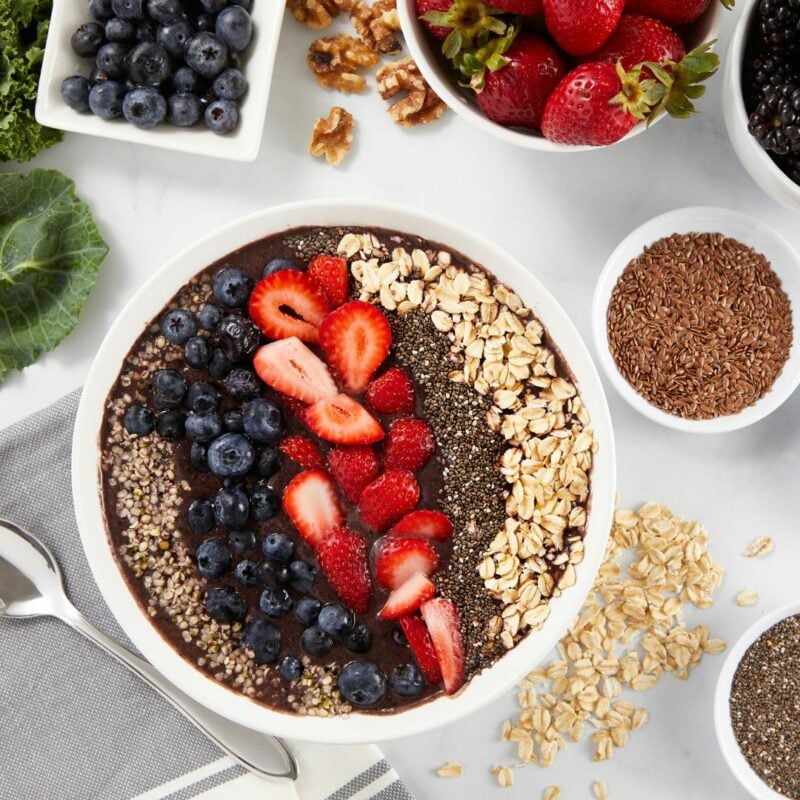
    Native American wild berry smoothie bowls

    More than just a visually appealing breakfast or snack, a wild berry smoothie bowl is a culinary journey. It’s an invitation to connect with the wisdom of indigenous peoples, to appreciate the resilience of nature, and to savor flavors that have nourished generations. This article delves into the significance of wild berries in Native American cultures, explores their nutritional powerhouse qualities, and offers a guide to creating your own inspired smoothie bowls.

    The Sacred Harvest: Wild Berries in Native American Culture

    The relationship between Native American tribes and the land is deeply spiritual and pragmatic. Wild berries were not merely food; they were integral to survival, medicine, and cultural practices. From the vast plains to the lush forests and arid deserts, indigenous peoples possessed an intimate knowledge of the local flora, identifying which berries were edible, when they ripened, and how to harvest them sustainably.

    Different regions yielded different treasures. Along the Pacific Northwest coast, huckleberries, salal berries, and thimbleberries were abundant. The Great Plains offered chokecherries, wild strawberries, and buffalo berries. The Eastern Woodlands were home to blueberries, raspberries, and elderberries. Each berry held its own unique flavor profile, texture, and nutritional benefits, contributing to a varied and balanced diet.

    Beyond sustenance, berries played a role in ceremonies and traditional healing. They were used to create dyes for clothing and art, brewed into teas for medicinal purposes, and incorporated into sacred rituals. The act of gathering berries was often a communal activity, strengthening social bonds and passing down knowledge from elders to younger generations. This deep respect for the plant, from its growth to its consumption, is a core principle of indigenous foodways.

    A Nutritional Powerhouse: The Benefits of Wild Berries

    The vibrant colors of wild berries are a testament to their exceptional nutritional density. While specific nutrient profiles vary from berry to berry, they generally share a common set of powerful benefits:

      Native American wild berry smoothie bowls

    • Antioxidant Rich: Wild berries are packed with anthocyanins, flavonoids, and other potent antioxidants. These compounds help combat oxidative stress in the body, protecting cells from damage caused by free radicals, which are linked to chronic diseases and aging.
    • Vitamin and Mineral Content: They are excellent sources of Vitamin C, essential for immune function and skin health. Many wild berries also provide Vitamin K, manganese, and smaller amounts of other vital minerals.
    • Dietary Fiber: The high fiber content aids digestion, promotes satiety, and helps regulate blood sugar levels, making them a valuable component of a balanced diet.
    • Low Glycemic Index: Compared to many cultivated fruits, wild berries often have a lower glycemic index, meaning they cause a slower and more gradual rise in blood sugar, which is beneficial for energy levels and overall metabolic health.
    • Unique Flavor Profiles: Wild berries often possess a more complex and nuanced flavor than their cultivated counterparts. They can be tart, sweet, earthy, and sometimes even a little astringent, offering a depth of taste that is truly captivating.

    Bridging the Past and Present: Creating Wild Berry Smoothie Bowls

    The smoothie bowl is a modern culinary canvas, perfectly suited to showcase the vibrant colors and intense flavors of wild berries. While obtaining true, wild-harvested berries can be challenging for many, we can honor the spirit of this tradition by seeking out high-quality, often frozen, wild berries from reputable sources. Many specialty food stores and online retailers offer a variety of wild blueberries, huckleberries, lingonberries, and elderberries. If access to truly wild berries is limited, a blend of the most readily available "wild-like" berries such as cultivated blueberries, raspberries, and blackberries can still offer a delicious and nutritious experience.

    The beauty of a smoothie bowl lies in its versatility. The base is a creamy, blended mixture of fruits, and the toppings are where creativity truly shines. For a Native American-inspired smoothie bowl, we can draw inspiration from the ingredients and flavors that have historically been part of indigenous diets.

    Key Components of a Native American Wild Berry Smoothie Bowl:

    1. The Berry Base:

      • Wild Berries: Aim for a mix. Frozen berries are ideal as they create a thicker, colder consistency, perfect for bowls. Think wild blueberries, huckleberries, lingonberries, or a blend of these. If these are unavailable, high-quality cultivated blueberries, raspberries, and blackberries can be a good substitute.
      • Liquid: A plant-based milk like almond milk, oat milk, or even water can be used. For a richer flavor and added nutrients, coconut milk or a splash of pure cranberry juice (unsweetened) can be incorporated.
      • Creaminess & Sweetness: A ripe banana is a classic for sweetness and creamy texture. For a more traditional flavor, a small amount of pure maple syrup, a natural sweetener used by many indigenous peoples, can be added. Avoid refined sugars.
      • Optional Boosters: A spoonful of chia seeds or flax seeds for added fiber and omega-3s, or a touch of pure vanilla extract can enhance the flavor.
    2. The Toppings – A Celebration of Indigenous Flavors:

      • More Berries: Fresh or frozen wild berries add a burst of color and flavor.
      • Nuts and Seeds: Historically, indigenous peoples relied on nuts and seeds for protein and healthy fats. Toasted pumpkin seeds (pepitas), sunflower seeds, and chopped walnuts or pecans are excellent choices.
      • Ancient Grains: Puffed amaranth or quinoa, lightly toasted, can add a delightful crunch and a connection to ancient staples.
      • Dried Fruits: Unsweetened dried cranberries or chopped dried apricots offer a chewy sweetness.
      • Herbal Accents: A sprinkle of dried mint or a touch of edible flowers (if safely sourced) can add a subtle aromatic complexity.
      • A Drizzle: A light drizzle of pure maple syrup or a touch of bee pollen (if ethically sourced) can finish the bowl.

    A Recipe for Inspiration: Ancestral Roots Wild Berry Smoothie Bowl

    This recipe is a starting point, designed to be adaptable to your available ingredients and personal preferences. The spirit is to embrace the bounty of nature and honor its ancestral gifts.

    Yields: 1 serving
    Prep time: 10 minutes

    Ingredients:

    For the Smoothie Base:

    • 1 cup frozen wild blueberries (or a mix of frozen wild blueberries, huckleberries, raspberries)
    • 1/2 ripe banana, frozen
    • 1/4 cup unsweetened almond milk (or your preferred plant-based milk)
    • 1 tablespoon pure maple syrup (optional, adjust to taste)
    • 1 teaspoon chia seeds (optional)

    For the Toppings:

    • 1/4 cup fresh or frozen wild berries (e.g., wild blueberries, raspberries)
    • 1 tablespoon toasted pumpkin seeds (pepitas)
    • 1 tablespoon chopped walnuts or pecans
    • 1 teaspoon puffed amaranth or quinoa (optional)
    • A few unsweetened dried cranberries

    Instructions:

    1. Prepare the Smoothie Base: In a high-powered blender, combine the frozen wild berries, frozen banana, almond milk, maple syrup (if using), and chia seeds (if using).
    2. Blend Until Smooth: Start blending on a low speed, gradually increasing to high. Use the tamper tool if your blender has one to push the ingredients towards the blades. Blend until the mixture is thick, smooth, and creamy, resembling soft-serve ice cream. You may need to add a tiny splash more liquid if it’s too thick to blend, but aim for a very thick consistency.
    3. Pour into Bowl: Spoon the thick smoothie mixture into a chilled bowl.
    4. Add Toppings: Artfully arrange your chosen toppings over the smoothie base. Start with the fresh berries, then scatter the pumpkin seeds, chopped nuts, puffed grains, and dried cranberries.
    5. Serve Immediately: Enjoy your Ancestral Roots Wild Berry Smoothie Bowl while it’s cold and the toppings are crunchy.

    Variations and Adaptations:

    • Tartness: If you prefer a tarter bowl, reduce or omit the banana and maple syrup, and consider adding a splash of unsweetened cranberry or pomegranate juice to the base.
    • Herbal Notes: Infuse your almond milk with a sprig of fresh mint or a pinch of dried lavender before blending for a subtle aromatic twist.
    • Seed Power: Experiment with different seeds like hemp seeds or sunflower seeds for varied textures and nutrients.
    • Spiced Up: A tiny pinch of ground cinnamon or ginger can add warmth to the base.

    A Deeper Connection

    Creating and enjoying a Native American Wild Berry Smoothie Bowl is more than just a culinary act; it’s an opportunity for reflection. It’s a moment to appreciate the wisdom of indigenous cultures, their profound respect for the natural world, and their enduring legacy of nourishment. By incorporating these vibrant, nutrient-rich berries and drawing inspiration from traditional ingredients, we can create dishes that are not only delicious and healthy but also connect us to a rich and important heritage. As you savor each spoonful, remember the hands that first gathered these berries, the knowledge passed down through generations, and the enduring power of nature’s bounty. This smoothie bowl is a bridge between the past and the present, a delicious testament to the enduring strength and beauty of Native American foodways.

    Recipe Listing: Native American Wild Berry Smoothie Bowl

    Recipe Ancestral Roots Wild Berry Smoothie Bowl

    Yields: 1 serving
    Prep time: 10 minutes

    Ingredients:

    For the Smoothie Base:

    • 1 cup frozen wild blueberries (or a mix of frozen wild blueberries, huckleberries, raspberries)
    • 1/2 ripe banana, frozen
    • 1/4 cup unsweetened almond milk (or your preferred plant-based milk)
    • 1 tablespoon pure maple syrup (optional, adjust to taste)
    • 1 teaspoon chia seeds (optional)

    For the Toppings:

    • 1/4 cup fresh or frozen wild berries (e.g., wild blueberries, raspberries)
    • 1 tablespoon toasted pumpkin seeds (pepitas)
    • 1 tablespoon chopped walnuts or pecans
    • 1 teaspoon puffed amaranth or quinoa (optional)
    • A few unsweetened dried cranberries

    Instructions:

    1. Prepare the Smoothie Base: In a high-powered blender, combine the frozen wild berries, frozen banana, almond milk, maple syrup (if using), and chia seeds (if using).
    2. Blend Until Smooth: Start blending on a low speed, gradually increasing to high. Use the tamper tool if your blender has one to push the ingredients towards the blades. Blend until the mixture is thick, smooth, and creamy, resembling soft-serve ice cream. You may need to add a tiny splash more liquid if it’s too thick to blend, but aim for a very thick consistency.
    3. Pour into Bowl: Spoon the thick smoothie mixture into a chilled bowl.
    4. Add Toppings: Artfully arrange your chosen toppings over the smoothie base. Start with the fresh berries, then scatter the pumpkin seeds, chopped nuts, puffed grains, and dried cranberries.
    5. Serve Immediately: Enjoy your Ancestral Roots Wild Berry Smoothie Bowl while it’s cold and the toppings are crunchy.

    Notes & Variations:

    • Berry Sourcing: If true wild berries are unavailable, use high-quality cultivated varieties such as organic blueberries, raspberries, and blackberries.
    • Sweetness Adjustment: Adjust maple syrup to your preference or omit for a less sweet bowl.
    • Liquid Options: Other plant-based milks like oat milk, soy milk, or even coconut water can be used.
    • Texture Boost: For an even thicker base, use less liquid or add a tablespoon of rolled oats.
    • Flavor Infusion: Gently heat your liquid with a sprig of mint or a strip of lemon peel for a subtle herbal or citrus note before adding it to the blender.
    • Traditional Grains: If puffed amaranth or quinoa is not accessible, consider a sprinkle of toasted oats or a few whole grains.
    • Seed Variety: Experiment with other seeds like hemp seeds, sunflower seeds, or flax seeds.
  • Spring Native American wild greens recipes

    Spring Native American wild greens recipes

    Absolutely! Here's an article about Spring Native American Wild Greens Recipes, aiming for around 1,200 words, followed by a recipe listing.

    Absolutely! Here’s an article about Spring Native American Wild Greens Recipes, aiming for around 1,200 words, followed by a recipe listing.

    Reclaiming the Forest Floor: Spring Native American Wild Greens Recipes

    As winter’s grip loosens and the earth awakens, a vibrant tapestry of green unfurls across the landscapes of North America. For millennia, Indigenous peoples have intimately understood this seasonal rebirth, not just as a signal of renewal, but as a bountiful offering of sustenance. Spring, in particular, is a time of great abundance, when tender, nutrient-rich wild greens emerge, providing a vital source of vitamins, minerals, and flavor after the lean months.

    Spring Native American wild greens recipes

    These wild greens are more than just food; they are a living connection to ancestral knowledge, a testament to sustainable living, and a delicious gateway to understanding the rich culinary heritage of Native American cultures. The practice of foraging for these plants, often passed down through generations, involves a deep respect for the land, careful observation, and an understanding of which plants are safe, beneficial, and ready for harvest.

    This article delves into the world of spring Native American wild greens recipes, exploring their significance, common varieties, and how they can be prepared to honor their natural flavors and nutritional power. While specific recipes and foraging traditions vary widely among the diverse tribes and regions of North America, we can explore common themes and popular ingredients that offer a glimpse into this enduring culinary practice.

    The Significance of Wild Greens in Native American Cuisine

    For Indigenous communities, wild greens were not a mere supplement to cultivated crops like corn, beans, and squash (the "Three Sisters"). They were foundational. Their emergence in spring signaled the end of scarcity and provided essential nutrients that had been depleted during winter.

    • Nutritional Powerhouses: Wild greens are incredibly nutrient-dense. Packed with vitamins A, C, and K, as well as iron, calcium, and antioxidants, they played a crucial role in maintaining the health and vitality of Native American peoples.
    • Medicinal Properties: Many of these plants were also recognized for their medicinal qualities. Some were used to treat ailments, boost immunity, or aid digestion. This dual role as food and medicine highlights the holistic approach to health within Indigenous cultures.
    • Cultural Continuity: The act of foraging and preparing these greens is a powerful cultural practice. It connects individuals to their ancestors, their land, and their heritage. Sharing these meals is an act of community and a way to pass down traditional knowledge.
    • Spring Native American wild greens recipes

    • Sustainability and Respect: Traditional foraging practices were inherently sustainable. Indigenous peoples understood the delicate balance of ecosystems and harvested with respect, ensuring the continued proliferation of these plants for future generations. This often involved taking only what was needed, leaving plenty behind, and harvesting at the right time of year.

    Common Spring Wild Greens and Their Characteristics

    While the specific plants vary greatly by region, here are some common and widely recognized spring wild greens found across North America that feature prominently in Native American traditions:

    • Dandelion (Taraxacum officinale): Perhaps one of the most recognizable wild edibles, dandelion greens are abundant in spring. Young leaves are less bitter and can be eaten raw in salads or cooked. They are rich in vitamins A, C, and K, and iron.
    • Lamb’s Quarters (Chenopodium album): Often called "wild spinach," lamb’s quarters is a prolific grower with tender leaves and stems. It’s highly nutritious, containing protein, calcium, and iron. It has a mild, spinach-like flavor and is excellent sautéed or added to soups.
    • Purslane (Portulaca oleracea): This succulent, slightly tangy plant is a good source of omega-3 fatty acids (a rarity in leafy greens), as well as vitamins A and C. Its tender stems and leaves are delicious raw in salads or lightly cooked.
    • Chickweed (Stellaria media): Delicate and mild, chickweed is a favorite for its tender texture and slightly grassy flavor. It’s best enjoyed raw in salads or sandwiches, or added to dishes at the very end of cooking to preserve its freshness. It’s a good source of vitamin C and other minerals.
    • Violet (Viola spp.): Both the leaves and flowers of violets are edible and packed with vitamins. The young leaves have a mild, slightly sweet flavor and can be added to salads or cooked. The flowers are beautiful as a garnish or can be candied. Violets are particularly rich in vitamins A and C.
    • Wild Onion and Garlic (Allium spp.): These members of the Allium family offer a pungent, oniony or garlicky flavor. Their greens and bulbs can be used to season dishes, adding a powerful aromatic kick. They are also known for their potential immune-boosting properties.
    • Miner’s Lettuce (Claytonia perfoliata): This California native has tender, succulent leaves that grow in a circular pattern around its stem, resembling a tiny lettuce. It has a very mild, slightly sweet flavor and is excellent in salads. It’s a good source of vitamin C.
    • Pokeweed (Phytolacca americana): Important Note: Pokeweed is highly toxic if not prepared correctly. Only the very young shoots (before they develop red stems and berries) are edible, and they require multiple boiling and draining steps to remove toxins. Historically, young pokeweed shoots were a significant spring food for some tribes, providing essential nutrients. Extreme caution and expert knowledge are required for preparation.

    Traditional Preparation Methods

    The preparation of wild greens often mirrored the simplicity and respect inherent in their harvesting. The goal was typically to enhance, rather than mask, their natural flavors and to preserve their nutritional integrity.

    • Raw in Salads: The most straightforward method, especially for tender young greens like dandelion, lamb’s quarters, chickweed, and miner’s lettuce. They were often mixed with other foraged ingredients or simple seasonings.
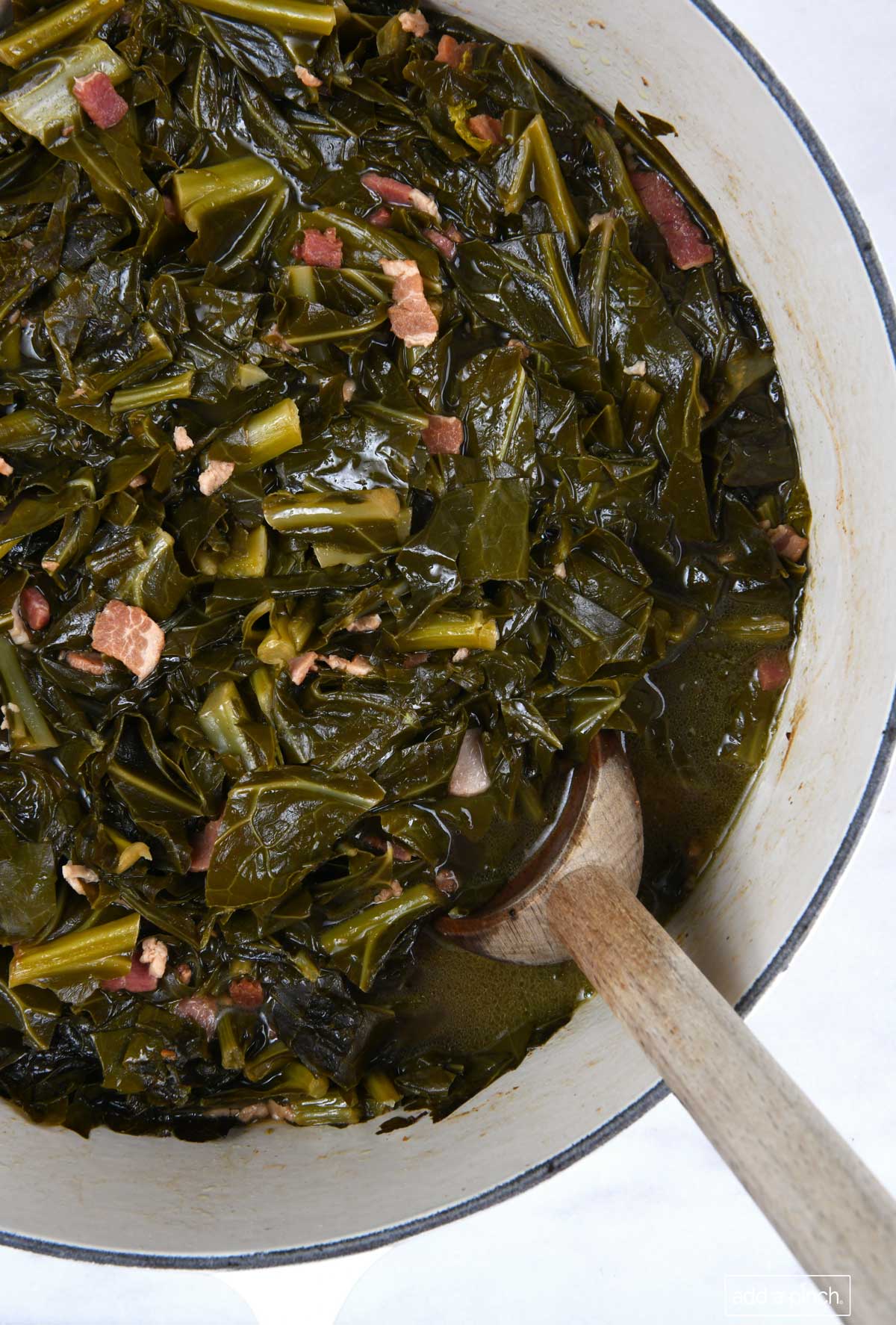
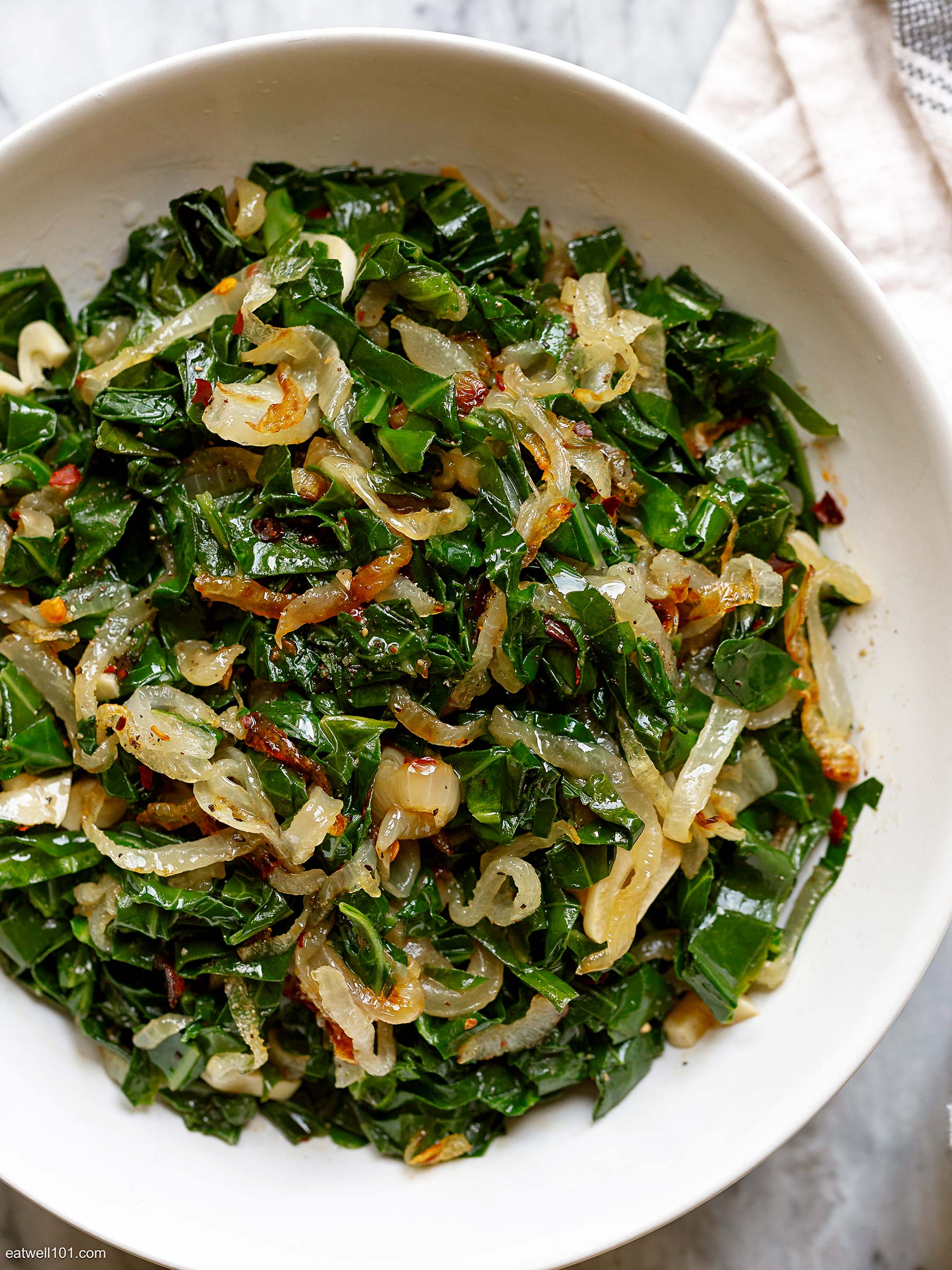
    • Steamed or Sautéed: A common way to cook greens, retaining much of their nutritional value. They were often cooked simply with a little water or rendered animal fat.
    • Added to Soups and Stews: Wild greens were frequently incorporated into hearty soups and stews, adding flavor, texture, and a boost of nutrients. They were often added towards the end of cooking to prevent overcooking.
    • Pounded or Mashed: Some greens were pounded into a paste and used as a base for other dishes or as a flavorful addition to pounded grain or meat.
    • Dried for Later Use: While spring greens are best fresh, some could be dried for preservation, although this was more common for roots and berries.

    Modern Adaptations and Recipes

    Today, many Native American communities and individuals continue to embrace their ancestral culinary traditions, adapting them to modern kitchens and ingredients. These recipes serve as a beautiful bridge between the past and the present, allowing us to experience the delicious and nourishing legacy of wild greens.

    Here are some recipe ideas that draw inspiration from traditional Native American approaches to wild spring greens:

    Listing of Spring Native American Wild Greens Recipes

    1. Ancestral Spring Green Salad with Wild Onion Vinaigrette

    • Concept: A vibrant, fresh salad showcasing the tender flavors of young spring greens.
    • Greens: Dandelion greens (young), Lamb’s Quarters, Chickweed, Violet leaves, Miner’s Lettuce.
    • Dressing: Finely minced Wild Onion greens, a splash of vinegar (apple cider or berry-based), a drizzle of rendered animal fat or oil, salt to taste.
    • Preparation: Gently wash and thoroughly dry all greens. In a large bowl, combine the greens. Whisk together the minced wild onion, vinegar, and fat/oil. Season with salt. Toss the salad with the vinaigrette just before serving.

    2. Sautéed Spring Greens with Cornmeal Dumplings

    • Concept: A hearty and comforting dish where greens are cooked and served with simple, flavorful dumplings.
    • Greens: Lamb’s Quarters, Dandelion greens (slightly more mature than for salad), Purslane.
    • Dumplings: Cornmeal, water or broth, a pinch of salt.
    • Preparation:
      • Wash and roughly chop the greens.
      • In a pot or skillet, heat a small amount of fat or oil. Add the greens and a splash of water or broth. Cook until tender, about 5-10 minutes. Season with salt.
      • For the dumplings: Mix cornmeal with enough water or broth to form a thick batter. Drop spoonfuls of the batter into the simmering greens. Cover and cook for 10-15 minutes, or until the dumplings are cooked through.

    3. Wild Greens and Bean Pottage

    • Concept: A nourishing and substantial soup or stew incorporating wild greens with staple ingredients like beans.
    • Greens: Lamb’s Quarters, Dandelion greens, Chickweed.
    • Other Ingredients: Cooked beans (traditional varieties like kidney, pinto, or black beans), broth (vegetable or bone broth), wild onion or garlic (minced), other seasonal vegetables if available (e.g., wild carrots, leeks).
    • Preparation:
      • In a pot, sauté minced wild onion/garlic in a little fat/oil.
      • Add broth, cooked beans, and any other chopped vegetables. Bring to a simmer.
      • Add the chopped wild greens and cook until tender, about 5-10 minutes.
      • Season with salt and pepper. For a thicker pottage, you can mash some of the beans against the side of the pot.

    4. Stuffed Squash with Spring Greens and Wild Rice

    • Concept: A flavorful and visually appealing dish using a hollowed-out squash as a vessel for a wild rice and greens filling.
    • Greens: Dandelion greens, Lamb’s Quarters, finely chopped Wild Onion greens.
    • Other Ingredients: Cooked wild rice, small winter squash (e.g., acorn, butternut), rendered fat or oil, broth, salt, pepper.
    • Preparation:
      • Halve the squash, scoop out seeds, and lightly steam or roast until tender.
      • In a bowl, combine cooked wild rice, chopped greens, and minced wild onion. Mix with a little broth and fat/oil. Season with salt and pepper.
      • Stuff the hollowed-out squash halves with the wild rice and greens mixture.
      • Bake until the filling is heated through and the squash is very tender.

    5. Violet Flower and Leaf Garnish/Candies

    • Concept: Utilizing the beautiful and edible violet flowers and young leaves for decoration and a sweet treat.
    • Ingredients: Fresh violet flowers and young leaves, egg white (optional, for candying), superfine sugar (optional, for candying).
    • Preparation:
      • Garnish: Gently wash and dry violet flowers and leaves. Use to decorate salads, desserts, or any dish.
      • Candied Violets: Lightly brush each flower and leaf with egg white. Sprinkle generously with superfine sugar. Place on parchment paper to dry for several hours or overnight until crisp. Store in an airtight container.

    Respectful Foraging and Modern Engagement

    It is crucial to reiterate the importance of ethical and knowledgeable foraging. Before attempting to gather any wild greens, it is paramount to:

    • Identify with Certainty: Never consume a plant unless you are 100% certain of its identification. Misidentification can lead to serious illness or death. Consult with experienced foragers, field guides specific to your region, and local Indigenous knowledge keepers.
    • Know Your Location: Ensure you are foraging in areas free from pesticides, herbicides, and pollution. Avoid roadsides and areas with heavy human or animal traffic.
    • Harvest Sustainably: Take only what you need and leave plenty for the plant to reproduce and for other wildlife. Understand the life cycle of the plant and harvest at the appropriate time.
    • Seek Permission: If foraging on private land, always obtain permission from the landowner. Be mindful of public land regulations.
    • Learn from Indigenous Communities: Where possible, learn directly from Indigenous elders and knowledge keepers. Their wisdom is invaluable and rooted in generations of experience.

    As we move further into the 21st century, the practice of foraging for wild greens offers a powerful way to connect with nature, nourish our bodies, and honor the enduring wisdom of Native American cultures. By approaching this practice with respect, curiosity, and a commitment to learning, we can all partake in the delicious and vital legacy of these ancestral foods. The simple act of preparing and sharing a meal made with these wild gifts is a profound way to celebrate the spring awakening and to carry forward a tradition that has sustained life for countless generations.