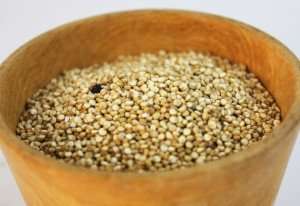
Step into a culinary journey that spans centuries, embracing the profound legacy of Native American gastronomy. Amaranth, a revered grain often called the ‘golden grain of the gods,’ has sustained civilizations for millennia, offering both incredible nutrition and a deep connection to the earth.
This recipe invites you to explore the vibrant flavors and robust textures of amaranth, combined with the iconic ‘Three Sisters’ – corn, beans, and squash. More than just ingredients, these represent a harmonious agricultural system and a cornerstone of indigenous diets, symbolizing community and sustainability.
Our goal is to create a truly anti-fail experience, guiding you through each step to ensure your dish is not only delicious but also respectfully honors the traditions that inspired it. Prepare to transform simple, wholesome ingredients into a memorable meal that nourishes both body and soul.
This Native American Amaranth & Three Sisters Pilaf is a perfect dish for a comforting family dinner, a unique potluck contribution, or a special meal to celebrate heritage and healthy eating. Its earthy flavors and hearty texture make it suitable for any season.

Amaranth: A Gift from Ancient Civilizations
Long before it graced modern health food stores, amaranth was a staple crop for the Aztec, Inca, and Maya civilizations. Valued for its resilience, nutritional density, and sacred significance, it played a central role in ceremonies and daily sustenance across the Americas.
While technically a pseudocereal, amaranth offers a complete protein profile, boasting all nine essential amino acids, which is rare for a plant-based food. It’s also rich in fiber, iron, magnesium, phosphorus, and antioxidants, making it an exceptional addition to any diet.
The Three Sisters Tradition: A Symbiotic Trio
The ‘Three Sisters’ – corn, climbing beans, and squash – represent an ingenious and sustainable intercropping method practiced by numerous Native American tribes. Corn provides a stalk for beans to climb, beans fix nitrogen in the soil for the corn, and squash vines spread, shading the soil to prevent weeds and retain moisture.
Beyond their agricultural synergy, these three foods also complement each other nutritionally, forming a balanced and complete meal. Integrating them into dishes like this pilaf is a delicious way to pay homage to this ancient wisdom.
Recipe Overview: Amaranth & Three Sisters Pilaf
This pilaf is a savory, wholesome dish featuring fluffy amaranth grains cooked with a medley of fresh vegetables, aromatic herbs, and the traditional Three Sisters. It’s naturally gluten-free and can be easily adapted to be vegan.

- Estimated Cooking Time: 45-55 minutes (Prep: 15 min, Cook: 30-40 min)
- Difficulty Level: Easy to Medium
- Servings: 4-6 people
Gathering Your Ingredients
The beauty of this dish lies in the quality and freshness of its components. Opt for organic and locally sourced ingredients whenever possible to truly enhance the flavor and nutritional value.
- 1 cup (approx. 180g) dry amaranth grain
- 2 cups (approx. 300g) fresh or frozen corn kernels
- 1 can (15 oz / 425g) pinto beans or kidney beans, rinsed and drained
- 2 cups (approx. 300g) butternut squash, peeled, seeded, and diced into ½-inch cubes
- 1 tablespoon olive oil or avocado oil
- 1 medium yellow onion, finely chopped
- 2 cloves garlic, minced
- 3 cups vegetable broth (low sodium preferred)
- 1 teaspoon dried sage
- ½ teaspoon dried thyme
- Salt and freshly ground black pepper to taste
- ¼ cup fresh parsley, chopped
- 2 tablespoons toasted pumpkin seeds (pepitas)
The Journey to Deliciousness: Step-by-Step Cooking Guide
Follow these detailed instructions carefully to achieve a perfect, flavorful pilaf every time. Precision in preparation ensures a truly anti-fail result.
Step 1: Prepare the Amaranth. Begin by placing the dry amaranth grain in a fine-mesh sieve. Rinse it thoroughly under cold running water for 1-2 minutes. This step is crucial to remove any bitterness and ensure a light, fluffy texture. Shake off excess water and set aside.
Step 2: Sauté the Aromatics. Heat the olive oil in a large pot or Dutch oven over medium heat. Add the chopped onion and cook, stirring occasionally, until softened and translucent, about 5-7 minutes. Do not let it brown too much.
Step 3: Add the Garlic. Stir in the minced garlic and cook for another minute until fragrant. Be careful not to burn the garlic, as this can impart an unpleasant bitter taste to your pilaf.
Step 4: Incorporate the Squash. Add the diced butternut squash to the pot. Sauté for 5-7 minutes, stirring occasionally, until the squash begins to soften slightly and develop a light golden hue. This initial sautéing enhances its natural sweetness.
Step 5: Toast the Amaranth. Add the rinsed amaranth grain to the pot with the vegetables. Stir well to coat the amaranth with the oil and aromatics. Cook for 2-3 minutes, stirring constantly, until the grains become slightly fragrant. Toasting helps prevent clumping and adds depth of flavor.
Step 6: Deglaze and Simmer. Pour in the vegetable broth. Add the dried sage and thyme, along with a good pinch of salt and pepper. Bring the mixture to a boil over medium-high heat, stirring once or twice.
Step 7: Cook the Amaranth. Once boiling, reduce the heat to low, cover the pot tightly, and let it simmer for 20-25 minutes, or until most of the liquid has been absorbed and the amaranth is tender. Avoid lifting the lid too often during this crucial cooking phase.
Step 8: Introduce the Three Sisters. After the amaranth has cooked for about 20 minutes, stir in the fresh or frozen corn kernels and the rinsed, drained pinto or kidney beans. Gently fold them into the pilaf. If using frozen corn, it will thaw quickly with the residual heat.
Step 9: Finish Cooking. Re-cover the pot and continue to simmer for another 5-10 minutes, or until the remaining liquid is fully absorbed, the corn is heated through, and the amaranth is fully cooked and fluffy. The grains should have a slight pop to them.
Step 10: Rest and Season. Remove the pot from the heat and let it rest, covered, for 5 minutes. This allows the amaranth to steam further and achieve its ideal texture. Fluff the pilaf gently with a fork. Taste and adjust seasonings, adding more salt, pepper, or herbs if desired.
Step 11: Garnish and Serve. Ladle the warm pilaf into serving bowls. Garnish with fresh chopped parsley and toasted pumpkin seeds for added texture and visual appeal. Serve immediately and enjoy the wholesome flavors.
Secret Tips for an Unforgettable and Anti-Fail Pilaf
Achieving perfection in cooking often comes down to a few insider tricks. These tips will elevate your Amaranth & Three Sisters Pilaf from good to truly exceptional.
Tip 1: Thorough Amaranth Rinsing. Do not skip rinsing the amaranth! This step is paramount. Amaranth can sometimes have a naturally bitter saponin coating. Rinsing ensures a clean, neutral flavor and prevents clumping, resulting in a light and fluffy texture.
Tip 2: Don’t Overcook the Squash. While you want the squash to soften, avoid turning it to mush. Sautéing it gently before adding liquid helps it hold its shape and maintain a pleasant texture. It will continue to cook as the amaranth simmers.
Tip 3: Season in Layers. Instead of just adding salt at the end, season lightly at each stage – when sautéing onions, when adding squash, and again with the broth. This builds complex flavor profiles throughout the dish.
Tip 4: The Power of Resting. Allowing the pilaf to rest off the heat for 5 minutes after cooking is a game-changer. It allows the amaranth grains to fully absorb any remaining moisture, steam to perfection, and develop a superior, fluffy texture.
Tip 5: Adjust Liquid as Needed. The exact amount of broth can vary slightly depending on your amaranth and pot. If the amaranth seems too dry after cooking, add a tablespoon or two more broth, cover, and cook for an additional minute. If it’s too wet, cook uncovered for a few more minutes until absorbed.
This pilaf is a complete meal on its own, but it also pairs beautifully with roasted chicken or fish. For a fully plant-based meal, serve it alongside a crisp green salad with a light vinaigrette or a side of steamed greens.
Feel free to experiment with other vegetables like diced bell peppers, zucchini, or sweet potatoes. You can also add a pinch of chili powder or smoked paprika for a subtle smoky kick, or incorporate other herbs like cilantro for a fresh finish.
Leftovers can be stored in an airtight container in the refrigerator for up to 3-4 days. Reheat gently on the stovetop with a splash of vegetable broth or water to restore moisture, or microwave until warmed through.
- Calories: Approximately 280-320 kcal
- Protein: 12-15g
- Fiber: 8-10g
- Fat: 5-7g
- Carbohydrates: 45-50g
(Note: These values are estimates and can vary based on specific ingredient brands and quantities.)
Embrace the Heritage on Your Plate
By preparing this Native American Amaranth & Three Sisters Pilaf, you’re not just cooking a meal; you’re participating in a rich cultural tradition. You’re honoring the wisdom of indigenous peoples and bringing a piece of ancient history to your modern table.
Enjoy the process, savor the flavors, and share this wholesome, nutrient-packed dish with loved ones. It’s a delicious testament to the enduring power of ancient grains and the timeless wisdom of sustainable agriculture.


:max_bytes(150000):strip_icc()/best-ever-succotash-recipe-3x4-61-c9230cceec7b4e15aeda6c213d42da12.jpg?w=200&resize=200,135&ssl=1 "Succotash: A Flavorful Fusion of Summer’s Best")
