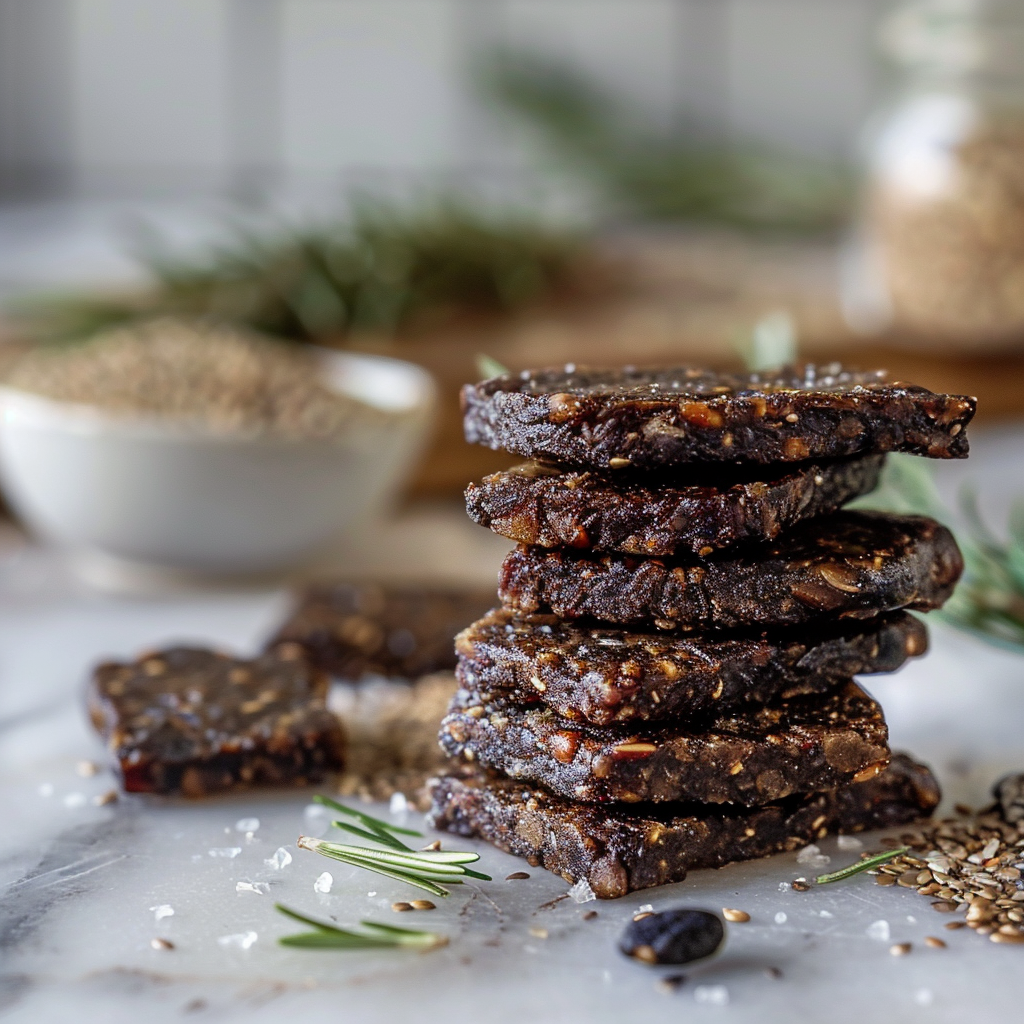
Begin your journey into the world of ancient survival foods with pemmican, a remarkable preparation that has sustained explorers, hunters, and travelers for centuries. Far more than just dried meat, pemmican is a meticulously crafted, nutrient-dense superfood, designed for ultimate energy and unparalleled shelf life.
Originating from the Indigenous peoples of North America, particularly the Plains tribes, pemmican was an indispensable part of their diet and survival strategy. It enabled them to undertake long journeys, endure harsh winters, and maintain strength during hunts, providing a concentrated source of energy when fresh food was scarce.
The word "pemmican" itself is derived from the Cree word "pimîhkân," meaning "manufactured grease." This simple yet ingenious combination of lean dried meat and rendered animal fat, often with the addition of dried berries, created a food that was lightweight, portable, and incredibly resilient to spoilage.
Today, pemmican has found a renewed appreciation among modern adventurers, preppers, hikers, and anyone seeking a reliable, high-energy food source. Whether you’re preparing for a wilderness expedition, building an emergency food supply, or simply curious about historical culinary traditions, mastering the art of pemmican making is a valuable skill.
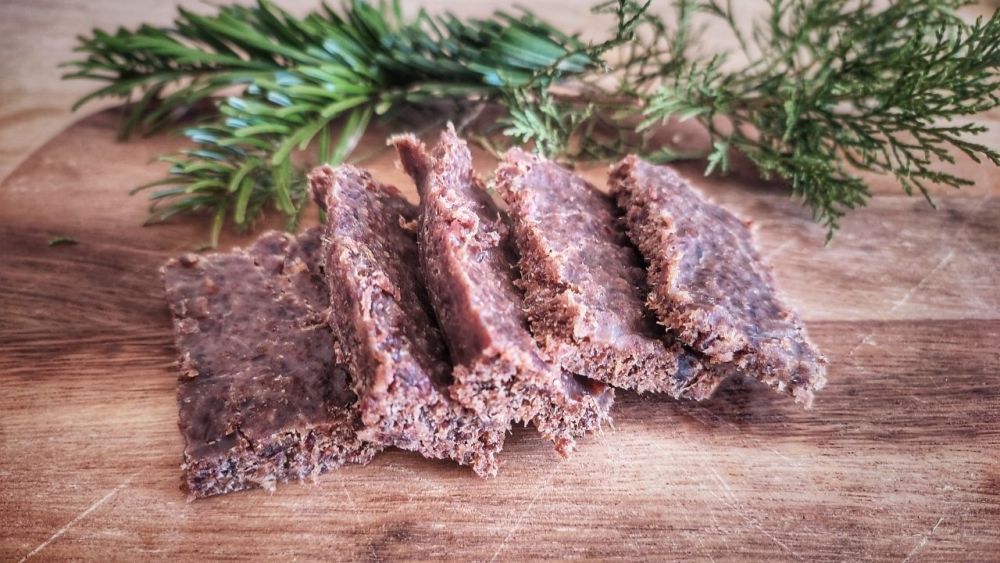
Before diving into the specifics of preparation, let’s establish some practical parameters for this ancient superfood. Understanding the time commitment, skill level, and expected yield will help you plan your pemmican project effectively and ensure a smooth process from start to finish.
Estimated Preparation Time: The most time-consuming aspect of making traditional pemmican is the meat drying process. Depending on your chosen method (dehydrator, oven, or air drying), this can take anywhere from 12 hours to 3 days. Once the meat is dried, the assembly, fat rendering, and mixing typically require an additional 1 to 2 hours of active work.
Skill Level: Medium. While the steps themselves are not overly complex, achieving the correct dryness for the meat and rendering the fat perfectly requires attention to detail and patience. Beginners should not be intimidated, as this guide provides all the anti-fail tips needed to succeed.
Yield: Highly Variable. The amount of pemmican produced will depend directly on your starting quantities of meat and fat. A typical batch using 1 kilogram (approx. 2.2 lbs) of lean meat and 1 kilogram of fat can yield a significant amount, often enough for 10-20 small, dense serving bars, each packed with hundreds of calories.
The foundation of authentic pemmican lies in its core ingredients: lean meat and rendered animal fat. The quality and preparation of these two components are paramount to both the flavor and the longevity of your finished product.
Lean Meat: For the best results, opt for very lean cuts of beef, such as round steak, sirloin, or flank steak. Game meats like venison, bison, or elk are also excellent and historically accurate choices. The crucial factor is minimal fat content in the raw meat, as any residual moisture or fat can compromise shelf life.
Rendered Animal Fat (Tallow): Beef suet (the hard fat found around the kidneys) is the traditional and superior choice for making tallow. It has a high smoke point and a neutral flavor profile. Pork lard can be used, but it’s less traditional for pemmican and might have a slightly different texture and flavor. The fat acts as a natural preservative and a dense energy source.
Dried Berries (Optional): To add a touch of sweetness and antioxidants, dried berries are a welcome addition. Traditional choices include Saskatoon berries, cranberries, blueberries, or cherries. Ensure they are unsweetened and thoroughly dried. A ratio of 1 part berries to 2 parts combined meat and fat is a good starting point.
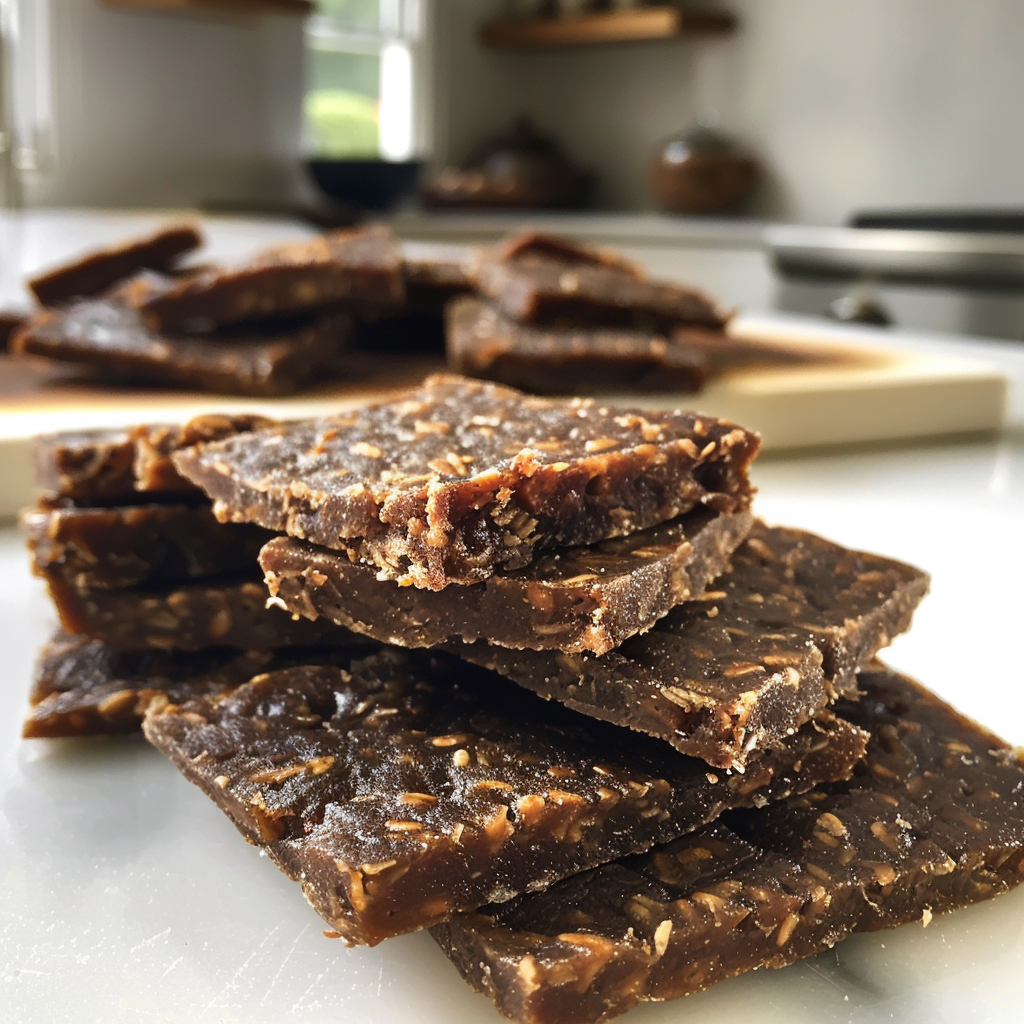
Salt and Spices (Optional): A pinch of salt can enhance flavor and act as a mild preservative. While traditional pemmican was often plain, modern variations sometimes include a small amount of black pepper or other dry spices. Be cautious with fresh herbs or spices with high moisture content, as they can reduce shelf life.
Essential Tools: You’ll need a sharp knife for slicing meat, a dehydrator or oven for drying, a food processor or mortar and pestle for pulverizing meat, a heavy-bottomed pot for rendering fat, cheesecloth for straining, and mixing bowls. Molds (like loaf pans or silicone bar molds) are useful for shaping.
Step 1: Preparing and Drying the Meat. Begin by trimming all visible fat and gristle from your chosen lean meat. Slice the meat into very thin strips, ideally against the grain, about 1/8 to 1/4 inch thick. Thinner slices will dry faster and more evenly.
Arrange the meat strips on dehydrator trays or oven racks, ensuring no pieces overlap. If using a dehydrator, set it to 145°F (63°C) and dry until the meat is completely brittle and snaps easily, typically 8-12 hours or more. For an oven, set it to its lowest temperature (e.g., 150-175°F or 65-80°C), leaving the oven door slightly ajar to allow moisture to escape, drying for several hours or overnight. Crucially, the meat must be bone-dry, with no flexibility or moisture remaining.
Step 2: Pulverizing the Dried Meat. Once the meat is perfectly dry and cooled, break it into smaller pieces. Transfer these pieces to a food processor and pulse until you achieve a fine, powdery consistency. The finer the powder, the better it will mix with the fat and the smoother your pemmican will be. Alternatively, a mortar and pestle can be used for a more traditional, albeit labor-intensive, method.
Step 3: Rendering the Animal Fat (Tallow). Cut your beef suet into small, uniform pieces (about 1/2 inch cubes). Place the suet in a heavy-bottomed pot over very low heat. The goal is to slowly melt the fat, not fry it.
Allow the fat to render gently, stirring occasionally, until all the fat has melted and only crispy bits (cracklings) remain. This process can take 1-2 hours. Once melted, carefully strain the liquid fat through several layers of cheesecloth into a clean, heat-proof bowl. This removes all impurities and cracklings, ensuring a pure, stable fat for your pemmican. Let the rendered fat cool slightly until it’s warm and liquid, but not scorching hot.
Step 4: Combining Dry Ingredients. In a large mixing bowl, combine your finely pulverized dried meat powder, any optional dried berries, and a pinch of salt if desired. Stir these dry ingredients thoroughly to ensure an even distribution.
Step 5: Mixing with Rendered Fat. Slowly pour the warm, liquid rendered fat into the dry meat and berry mixture. Add about half the fat initially, mixing vigorously with a sturdy spoon or your hands (wearing gloves is recommended). Continue adding fat gradually until the mixture is thoroughly moistened and forms a thick, cohesive paste. The consistency should be similar to a dense cookie dough – moist enough to hold together firmly when pressed, but not greasy or crumbly.
Step 6: Forming the Pemmican. Once the mixture is perfectly combined, press it firmly into your chosen molds. Loaf pans lined with parchment paper, small plastic containers, or silicone bar molds work well. For a traditional approach, you can simply form it into dense blocks or patties by hand. The key is to compress the mixture as much as possible to eliminate air pockets, which helps prevent spoilage.
Step 7: Cooling and Hardening. Place the formed pemmican in the refrigerator or a cool, dark place to allow the fat to solidify completely. This usually takes a few hours. Once hardened, it will be a dense, solid block ready for storage.
Step 8: Storage for Longevity. For optimal long-term storage, wrap each block of pemmican tightly. Start with parchment paper, then an airtight layer of aluminum foil, followed by plastic wrap. For ultimate protection, vacuum sealing is highly recommended. Store your wrapped pemmican in a cool, dark, and dry place. Properly prepared and stored pemmican can last for many months, even years, without refrigeration.
Secret Tip 1: Absolute Meat Dryness is Non-Negotiable. The single most critical factor for pemmican’s legendary shelf life is the complete absence of moisture in the meat. If your dried meat isn’t brittle enough to snap and pulverize into a fine powder, it’s not dry enough. Any lingering moisture will encourage spoilage. When in doubt, dry it longer!
Secret Tip 2: Quality of Rendered Fat Matters. Use fresh, high-quality suet for rendering tallow. Ensure the fat is rendered slowly and strained meticulously to remove all solids and impurities. Impurities can introduce moisture or bacteria, reducing the pemmican’s stability. Pure, clean rendered fat is a powerful preservative.
Secret Tip 3: Temperature Control for the Fat. When mixing, the rendered fat should be warm and liquid, but never hot. Hot fat can "cook" the meat powder, potentially affecting its texture and slightly diminishing some nutrients. Warm fat ensures a smooth, even coating without inadvertently introducing heat damage.
Secret Tip 4: Master the Meat-to-Fat Ratio. A traditional and highly effective ratio is approximately 1:1 by weight of dried meat powder to rendered fat. This provides the ideal balance for preservation and energy density. You can adjust slightly for personal preference (e.g., 2 parts meat to 1 part fat for a slightly leaner product), but remember that fat is the primary preservative.
Secret Tip 5: Compress, Compress, Compress! After mixing, press the pemmican mixture into its molds with as much force as possible. The goal is to eliminate all air pockets. Air pockets can harbor oxygen and moisture, which are enemies of long-term food preservation. A dense, solid block is a stable block.
Secret Tip 6: Choose Your Berries Wisely. If adding berries, ensure they are unsweetened and completely dried. Sugared or partially dried berries will introduce moisture and sugar, both of which can reduce shelf life. Stick to traditional, tart, wild-type berries for the most authentic and stable additions.
Secret Tip 7: Taste Test Before Molding. Before committing your entire batch to molds, take a small portion and taste it. This is your chance to adjust salt levels or add a tiny bit more fat if the mixture feels too dry. Remember, pemmican is meant to be a survival food, so adjust flavor expectations accordingly.
Estimated Nutritional Information (Per 100g, approximate): Pemmican is renowned for its exceptional nutritional density, making it an ideal food for sustained energy during demanding physical activities or in survival situations. It’s a powerhouse of calories, healthy fats, and essential micronutrients.
Calories: Approximately 400-550 kcal. The exact calorie count will vary depending on the specific meat-to-fat ratio and whether berries or other additions are included. A higher fat content naturally leads to a higher caloric density.
Macronutrients: Pemmican is primarily composed of fat and protein. It typically contains around 30-50g of fat, 25-40g of protein, and very minimal carbohydrates (unless significant amounts of berries are added). This makes it an excellent choice for ketogenic or low-carb diets.
Micronutrients: Beyond its macronutrient profile, pemmican provides valuable micronutrients. The meat contributes essential minerals like iron, zinc, and B vitamins, while the animal fat offers fat-soluble vitamins such as A, D, E, and K2, which are crucial for overall health and often lacking in modern diets.
Its balanced profile of fat and protein ensures sustained energy release, preventing the rapid blood sugar spikes and crashes associated with high-carbohydrate foods. This makes it a superior choice for endurance and maintaining focus over long periods.
Crafting your own pemmican is a deeply rewarding experience, connecting you to ancient traditions of self-sufficiency and resourcefulness. With this anti-fail guide, you now possess the knowledge and confidence to create a truly remarkable survival food.
Whether for a backcountry adventure, an emergency kit, or simply as an intriguing culinary experiment, your homemade pemmican will stand as a testament to the power of simple ingredients and meticulous preparation. Enjoy the peace of mind that comes with having a truly resilient food source at your fingertips.


:max_bytes(150000):strip_icc()/best-ever-succotash-recipe-3x4-61-c9230cceec7b4e15aeda6c213d42da12.jpg?w=200&resize=200,135&ssl=1 "Succotash: A Flavorful Fusion of Summer’s Best")
