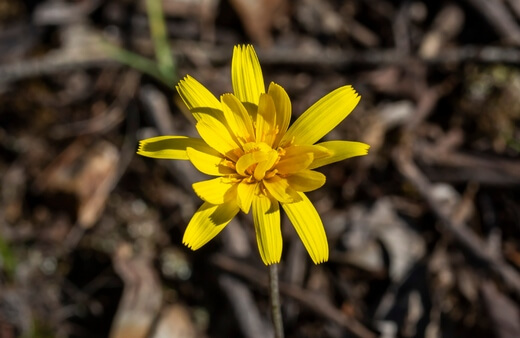
Step into the rich tapestry of Australia’s native larder and you’ll encounter a true culinary gem: Murnong. Also widely known as the Yam Daisy (Microseris lanceolata), this unassuming root vegetable holds a place of immense historical and cultural significance, once forming a staple food source for countless Indigenous Australian communities.
Imagine a vegetable that tastes like a delightful cross between a potato, a parsnip, and an artichoke, with a hint of sweetness and an earthy aroma. That’s Murnong – a testament to the incredible biodiversity of the Australian landscape and the sophisticated traditional knowledge of its First Peoples.
For millennia, Murnong sustained populations across vast areas, particularly in southeastern Australia. Its prolific growth and nutritious tubers provided a reliable food source, harvested with digging sticks by women and children, often in large quantities.
The arrival of European settlers and the introduction of grazing animals like sheep and cattle dramatically altered the landscape, leading to the near extinction of Murnong in many areas. Today, there’s a growing movement to rediscover, cultivate, and appreciate this remarkable plant, bringing its unique flavour and history back to our tables.
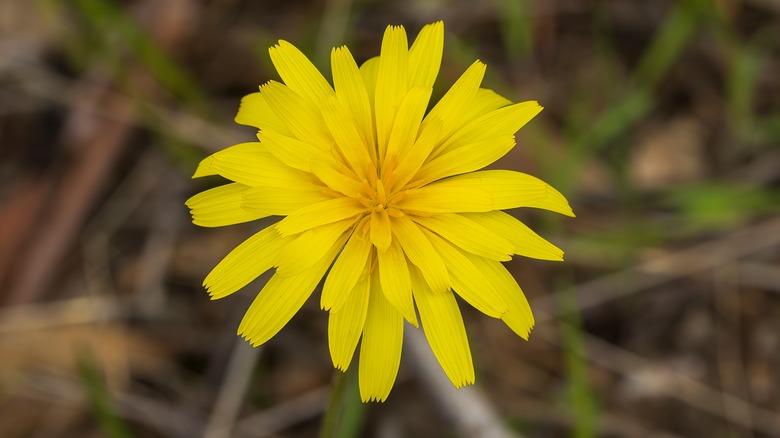
This guide offers not just a ‘recipe’ in the modern sense, but a journey into understanding and respectfully preparing Murnong, honouring its legacy and celebrating its return as a sustainable, healthy, and incredibly tasty native ingredient.
Whether you’re a culinary adventurer, a history enthusiast, or simply seeking healthier, more sustainable food choices, Murnong offers a compelling experience. It’s a perfect conversation starter, a connection to ancient wisdom, and a delicious addition to any meal, particularly when celebrating Australian culture and produce.
Preparation & Cooking Information
Preparation Time: 15-30 minutes (for cleaning and basic preparation, depending on quantity).
Cooking Time: 10-25 minutes (for steaming or roasting).
Difficulty Level: Very Easy. The beauty of Murnong lies in its simplicity; minimal intervention is often best to appreciate its natural flavour.
Yield: Varies greatly depending on the harvest. For a side dish, typically 2-4 servings can be prepared from a moderate bunch of tubers (e.g., 200-300g).
Essential Ingredients
- Fresh Murnong Tubers (Yam Daisy): Source these from reputable native food suppliers, specialist nurseries, or sustainable growers. It is crucial to avoid wild harvesting unless you are an expert in plant identification and have permission, as look-alikes exist, and sustainable practices are paramount.
- A pinch of Sea Salt (to taste)
- Freshly ground Black Pepper (to taste)
- A drizzle of good quality Olive Oil or native Macadamia Oil (for roasting)
- Fresh Lemon or Lime wedges (for serving, if desired)
- Finely chopped fresh Herbs (e.g., parsley, chives, native mint)
Step-by-Step Preparation & Cooking Methods
The key to enjoying Murnong is to embrace its natural flavour. Less is often more. Here are simple, anti-fail methods to bring out its best.
Step 1: Gentle Cleaning
- Upon receiving your Murnong tubers, gently brush off any excess soil using a soft brush or your fingers.
- Rinse the tubers under cool, running water. Avoid harsh scrubbing, as the skin is delicate and full of flavour. Pat them dry with a clean cloth or paper towel.
- Inspect for any fibrous roots or small blemishes, trimming them away if necessary. The entire tuber, including the skin, is edible and delicious.
Step 2: Enjoying Raw (Crisp & Fresh)
Murnong can be eaten raw, offering a crisp texture and a fresh, slightly sweet, and earthy flavour.
- Once cleaned, you can simply bite into the tubers whole for a healthy snack.
- Alternatively, thinly slice the Murnong using a mandoline or a sharp knife.
- Add the raw slices to salads for an interesting crunch, or arrange them on a platter with a light vinaigrette or a sprinkle of sea salt.
Step 3: Steaming (Tender & Sweet)
Steaming gently cooks the Murnong, making it tender while retaining its subtle sweetness and nutrients.
- Place the cleaned, whole Murnong tubers in a steamer basket.
- Bring a pot of water to a boil, then place the steamer basket over the boiling water, ensuring the water does not touch the tubers.
- Cover and steam for 10-15 minutes, or until the Murnong is tender when pierced with a fork but still holds its shape.
- Remove from the steamer, season lightly with sea salt and pepper, and a drizzle of olive oil if desired. Serve warm.
Step 4: Roasting (Earthy & Caramelised)
Roasting brings out a deeper sweetness and a slightly caramelised flavour, enhancing Murnong’s earthy notes.
- Preheat your oven to 180°C (350°F).
- In a bowl, toss the cleaned, whole Murnong tubers with a tablespoon of olive oil or macadamia oil, a pinch of sea salt, and black pepper.
- Spread the seasoned tubers in a single layer on a baking tray lined with parchment paper.
- Roast for 20-25 minutes, or until golden brown and tender, turning halfway through to ensure even cooking.
- Serve immediately, perhaps with a squeeze of fresh lemon.
Secret Tips for Success & Enhanced Flavour
- Source Responsibly: This is the most crucial ‘secret’. Always acquire Murnong from ethical, sustainable sources. Support growers who are actively working to re-establish this vital plant.
- Embrace Simplicity: Murnong’s flavour is delicate and unique. Avoid strong spices or heavy sauces that might overpower its natural taste. A simple seasoning of salt, pepper, and good quality oil is often all it needs.
- Don’t Peel: The skin of Murnong is thin and packed with flavour and nutrients. There’s no need to peel it; just clean it thoroughly.
- Versatile Pairing: Murnong pairs wonderfully with grilled fish, roasted meats, or as a vibrant addition to grain bowls and salads. Its mild sweetness complements savoury dishes beautifully.
- Storage: Store fresh Murnong tubers in a cool, dark, well-ventilated place, similar to how you would store potatoes. They are best consumed within a week of purchase for optimal freshness.
- Explore Native Companions: Consider pairing Murnong with other native Australian ingredients, such as wattleseed, lemon myrtle, or bush tomatoes, to create a truly authentic Australian culinary experience.
Estimated Nutritional Information (Per 100g raw)
While precise nutritional data for Murnong can vary based on growing conditions, traditional knowledge and current analyses suggest it is a highly nutritious food source.
- Calories: Approximately 60-80 kcal
- Carbohydrates: Rich in complex carbohydrates, providing sustained energy.
- Fibre: A good source of dietary fibre, beneficial for digestive health.
- Protein: Contains a modest amount of plant-based protein.
- Vitamins & Minerals: Believed to contain various vitamins (e.g., Vitamin C, some B vitamins) and minerals (e.g., potassium, calcium, iron), though exact quantities require further extensive research.
- Low Glycemic Index: Traditionally considered a ‘slow-release’ energy food, contributing to stable blood sugar levels.
Murnong is not just a food; it’s a story, a connection to Country, and a symbol of resilience. By bringing it into our kitchens, we not only enjoy a delicious and healthy vegetable but also participate in a vital act of cultural recognition and environmental restoration. Enjoy this ancient delicacy and savour a true taste of Australia’s heritage.


:max_bytes(150000):strip_icc()/best-ever-succotash-recipe-3x4-61-c9230cceec7b4e15aeda6c213d42da12.jpg?w=200&resize=200,135&ssl=1 "Succotash: A Flavorful Fusion of Summer’s Best")
