
Beyond the Outback: Unveiling the Remarkable Health Benefits of Wallaby Meat
For many, the image of a wallaby conjures up the vast, sun-drenched landscapes of Australia, a symbol of the unique and captivating wildlife that roams its shores. Yet, beyond its iconic status, the wallaby offers a less-discussed but equally compelling aspect: its meat. Historically a vital food source for Indigenous Australians, wallaby meat is now gaining recognition in contemporary cuisine, not just for its distinct flavour but, more importantly, for its impressive nutritional profile and associated health benefits. In an era where conscious eating and seeking out lean, nutrient-dense protein sources are paramount, wallaby meat emerges as a compelling and often overlooked contender.
A Leaner, Greener Protein Powerhouse
The most striking health advantage of wallaby meat lies in its exceptional leanness. Compared to more commonly consumed red meats like beef, lamb, and even some poultry, wallaby meat boasts significantly lower levels of total fat and saturated fat. This makes it an ideal choice for individuals looking to manage their weight, reduce their intake of unhealthy fats, or support cardiovascular health.
The fat content in wallaby meat can be as low as 2-3%, a fraction of the 15-20% found in many cuts of beef. This translates to fewer calories per serving, making it a satiating yet light option. Furthermore, the reduced saturated fat content contributes to lower cholesterol levels, a crucial factor in preventing heart disease and stroke. For those actively seeking to adopt a heart-healthy diet, incorporating wallaby meat can be a delicious and effective strategy.
Rich in Essential Nutrients: A Nutritional Goldmine
Beyond its low-fat composition, wallaby meat is a veritable treasure trove of essential vitamins and minerals. This nutrient density makes it a powerful ally in maintaining overall health and well-being.
-
Iron: Wallaby meat is an outstanding source of highly bioavailable heme iron. This type of iron is readily absorbed by the body and plays a critical role in oxygen transport, energy production, and preventing iron-deficiency anemia. Anemia can lead to fatigue, weakness, and impaired cognitive function, making adequate iron intake essential, particularly for women of childbearing age and athletes. The high iron content in wallaby meat offers a significant advantage over plant-based iron sources, which are less easily absorbed.
-
Zinc: Crucial for immune function, wound healing, cell growth, and DNA synthesis, zinc is another mineral found in abundance in wallaby meat. A robust immune system is vital for fending off infections and maintaining overall health. Zinc also plays a role in protein synthesis and metabolism, contributing to muscle repair and growth.
-
B Vitamins: Wallaby meat is a rich source of various B vitamins, including B12, B6, niacin, and riboflavin. These vitamins are integral to numerous metabolic processes, including energy production from food, nerve function, and the formation of red blood cells. Vitamin B12, in particular, is essential for neurological health and DNA synthesis and is primarily found in animal products, making wallaby meat a valuable dietary component for those who may not consume other animal sources regularly.
-
Protein: As a complete protein source, wallaby meat provides all the essential amino acids required by the human body for building and repairing tissues, producing enzymes and hormones, and supporting immune function. Its high protein content, coupled with its low fat, makes it an excellent choice for athletes, individuals recovering from illness or injury, and anyone looking to maintain muscle mass and satiety.
-
Other Minerals: Wallaby meat also contributes to the intake of other important minerals such as selenium, an antioxidant that protects cells from damage, and phosphorus, which is vital for bone health and energy metabolism.
A Sustainable and Ethical Choice
In addition to its individual health benefits, the consumption of wallaby meat can also be viewed through the lens of sustainability and ethical sourcing. Wallabies are native to Australia and are not typically farmed in intensive operations like many conventional livestock. They graze freely in their natural habitats, meaning their environmental footprint is generally lower. Their populations are managed sustainably, often through regulated culling programs to prevent overgrazing and maintain ecological balance.
This contrasts with the significant environmental impacts associated with conventional livestock farming, including greenhouse gas emissions, land degradation, and water usage. By choosing wallaby meat, consumers can potentially make a more environmentally conscious decision. Furthermore, the meat is often processed locally, reducing transportation emissions.
The Distinctive Flavour Profile
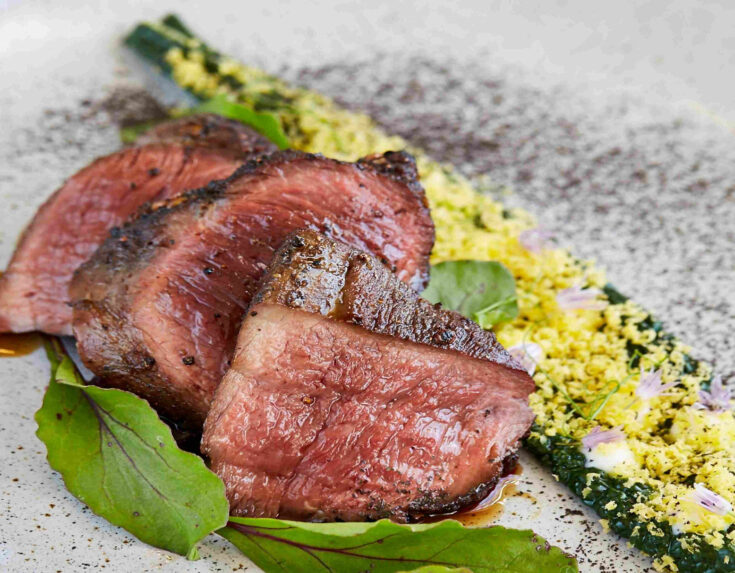
While the health benefits are substantial, it’s worth noting that wallaby meat also offers a unique culinary experience. Its flavour is often described as being mild, slightly gamey, and lean, without the strong, livery taste sometimes associated with other game meats. It has a texture that can be compared to lean beef or venison, making it versatile in the kitchen.
Incorporating Wallaby Meat into Your Diet: Recipe Ideas
The versatility of wallaby meat allows it to be prepared in various ways, from hearty stews to elegant grilled dishes. Its lean nature means it benefits from careful cooking to prevent it from becoming tough. Marinating, slow cooking, and quick searing are excellent methods.
Here are a few recipe ideas to get you started:
1. Slow-Cooked Wallaby Ragu with Pappardelle
This dish showcases the tenderizing power of slow cooking, transforming the lean meat into a rich and flavourful ragu.
Ingredients:
- 500g wallaby meat, diced into 2-3cm pieces
- 2 tbsp olive oil
- 1 large onion, finely chopped
- 2 carrots, finely chopped
- 2 celery stalks, finely chopped
- 3 cloves garlic, minced
- 150ml red wine (optional, but recommended)
- 400g can crushed tomatoes
- 200ml beef or vegetable stock
- 1 bay leaf
- 1 sprig fresh rosemary
- Salt and freshly ground black pepper to taste
- Pappardelle pasta, for serving
- Fresh parsley, chopped, for garnish
- Parmesan cheese, grated, for serving
Instructions:
- Sear the Wallaby: Heat olive oil in a large, heavy-bottomed pot or Dutch oven over medium-high heat. Brown the wallaby meat in batches, ensuring not to overcrowd the pot. Remove the browned meat and set aside.
- Sauté Vegetables: Add the chopped onion, carrots, and celery to the pot. Cook over medium heat until softened, about 8-10 minutes. Add the minced garlic and cook for another minute until fragrant.
- Deglaze: If using red wine, pour it into the pot and scrape the bottom to loosen any browned bits. Let it simmer and reduce by half.
- Simmer the Ragu: Return the browned wallaby meat to the pot. Add the crushed tomatoes, stock, bay leaf, and rosemary. Season with salt and pepper. Bring to a simmer, then cover and reduce the heat to low.
- Slow Cook: Cook for at least 2-3 hours, or until the wallaby meat is very tender and easily pulls apart. Stir occasionally, adding a little more stock or water if it becomes too dry.
- Finish and Serve: Remove the bay leaf and rosemary sprig. Taste and adjust seasoning. Shred the wallaby meat with forks if desired. Serve the ragu over cooked pappardelle pasta, garnished with fresh parsley and grated Parmesan cheese.
2. Grilled Wallaby Steaks with Chimichurri
A simple yet elegant preparation that highlights the natural flavour of the meat.
Ingredients:
- 2 wallaby steaks (about 150-200g each)
- 2 tbsp olive oil
- Salt and freshly ground black pepper to taste
For the Chimichurri:
- 1 cup fresh parsley, finely chopped
- 1/4 cup fresh oregano, finely chopped
- 2 cloves garlic, minced
- 1/4 cup red wine vinegar
- 1/2 cup extra virgin olive oil
- 1/2 tsp red pepper flakes (optional)
- Salt and freshly ground black pepper to taste
Instructions:
- Marinate the Steaks: Rub the wallaby steaks with olive oil, salt, and pepper. Let them sit at room temperature for about 30 minutes before grilling.
- Make the Chimichurri: In a small bowl, combine the chopped parsley, oregano, minced garlic, red wine vinegar, olive oil, and red pepper flakes (if using). Season with salt and pepper. Mix well and let it sit for at least 15 minutes to allow the flavours to meld.
- Grill the Steaks: Preheat your grill to medium-high heat. Grill the wallaby steaks for 3-4 minutes per side for medium-rare, or adjust cooking time to your desired level of doneness. Wallaby meat is best served medium-rare to medium to retain its tenderness.
- Rest and Serve: Remove the steaks from the grill and let them rest for 5-10 minutes before slicing. Serve the grilled wallaby steaks with a generous dollop of chimichurri.
3. Wallaby and Root Vegetable Stew
A hearty and comforting stew perfect for cooler weather.
Ingredients:
- 500g wallaby meat, cut into 2.5cm cubes
- 2 tbsp olive oil
- 1 large onion, chopped
- 2 cloves garlic, minced
- 500ml beef or vegetable stock
- 2 bay leaves
- 1 sprig fresh thyme
- 300g mixed root vegetables (carrots, parsnips, potatoes), peeled and cubed
- 100g mushrooms, quartered
- Salt and freshly ground black pepper to taste
- Fresh parsley, chopped, for garnish
Instructions:
- Sear the Wallaby: Heat olive oil in a large pot or Dutch oven over medium-high heat. Brown the wallaby meat in batches. Remove and set aside.
- Sauté Aromatics: Add the chopped onion to the pot and cook until softened. Add the minced garlic and cook for another minute.
- Build the Stew: Return the browned wallaby meat to the pot. Add the beef stock, bay leaves, and thyme. Bring to a simmer.
- Add Vegetables: Stir in the cubed root vegetables and mushrooms. Season with salt and pepper.
- Simmer: Cover the pot and reduce the heat to low. Simmer for 1.5-2 hours, or until the wallaby meat and vegetables are tender.
- Serve: Remove the bay leaves and thyme sprig. Taste and adjust seasoning. Garnish with fresh parsley before serving.
Conclusion: A Healthy, Sustainable, and Delicious Addition to Your Diet
Wallaby meat offers a compelling package of health benefits, making it a valuable addition to a balanced and conscious diet. Its exceptional leanness, rich nutrient profile, and sustainable sourcing credentials set it apart from more conventional protein options. While it may not yet be a staple in every kitchen, exploring the culinary potential of wallaby meat can lead to delicious discoveries and significant contributions to your personal well-being and environmental consciousness. As awareness grows, the humble wallaby may soon hop from the Australian landscape into the spotlight of healthy eating.


