Unveiling the Warrigal Greens: A Guide to Identification and Culinary Delights
The wild Australian landscape is a treasure trove of unique flora, and among its most celebrated edible plants is the Warrigal greens, also known scientifically as Tetragonia tetragonioides. More than just a humble leafy vegetable, Warrigal greens hold a significant place in Indigenous Australian culture and have gained recognition in modern cuisine for their distinctive flavour and nutritional value. This comprehensive guide will delve into the intricacies of identifying this remarkable plant, exploring its habitat, key characteristics, and the vital steps for safe foraging, before venturing into the delicious culinary possibilities it offers.
The Botanical Identity: Unpacking Tetragonia tetragonioides
To confidently identify Warrigal greens, understanding its botanical classification and key features is paramount. Tetragonia tetragonioides belongs to the family Aizoaceae, which also includes other succulent and often edible plants. Its common names, Warrigal greens, New Zealand spinach, and Botany Bay spinach, hint at its widespread presence and historical significance across Australasia.

Key Identification Features:
- Growth Habit: Warrigal greens are a sprawling, herbaceous perennial plant. They typically grow as a groundcover, spreading outwards rather than upwards, with stems that can reach lengths of up to a metre or more. The stems are often reddish or purplish and can be somewhat woody at the base, especially in older plants.
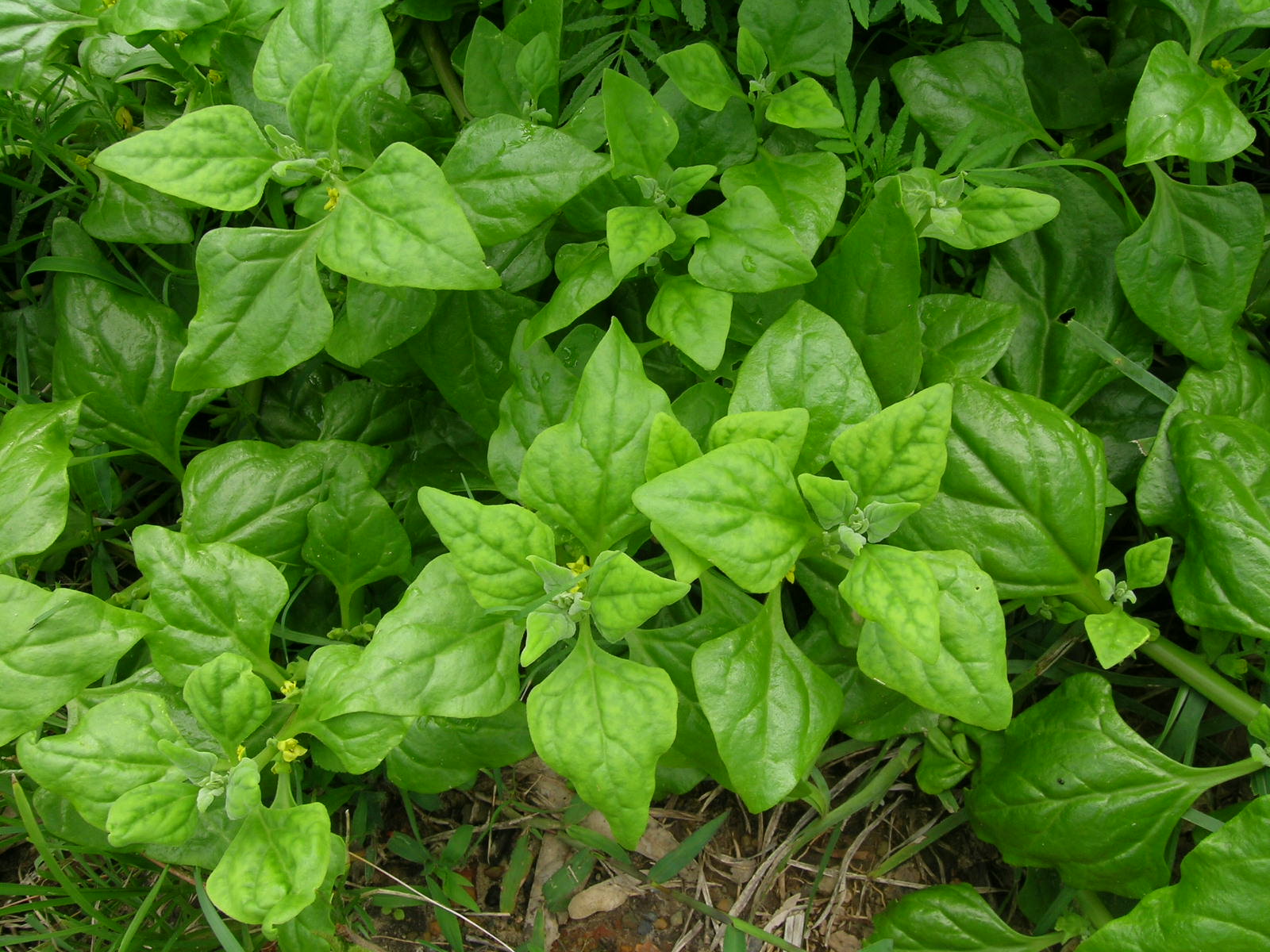
- Leaves: The most distinctive feature of Warrigal greens is its leaves. They are typically triangular or spade-shaped, with slightly wavy or toothed margins. The leaves are fleshy and succulent, a characteristic inherited from its Aizoaceae family, which allows it to thrive in drier conditions. Their colour ranges from a bright, vibrant green to a darker, almost bluish-green. The texture is smooth and slightly leathery. Leaves are arranged alternately along the stems.
- Flowers: The flowers of Warrigal greens are small and inconspicuous, typically measuring about 5-10 mm in diameter. They are usually yellow or greenish-yellow and lack petals. Instead, they have prominent stamens that give them a somewhat star-like appearance. Flowering usually occurs during the warmer months, from spring through to autumn.
- Fruits/Seeds: The fruit is perhaps the most unique and easily identifiable feature after the leaves. It is a hard, woody, and somewhat knobbly capsule, often described as resembling a small, spiky pyramid or a tetrahedron. Each capsule typically contains several seeds. The colour of the mature fruit is usually a dull brown. This distinctive fruit is a crucial identifier, distinguishing it from other wild greens.
- Root System: Warrigal greens have a taproot system, which helps anchor the plant and access moisture in arid environments.
Habitat and Distribution: Where to Find Warrigal Greens
Warrigal greens are native to the coastal regions of Australia, including Tasmania, and are also found in New Zealand. They are remarkably adaptable and can thrive in a variety of coastal environments:
- Coastal Dunes: This is a prime location for Warrigal greens. They can tolerate salt spray and sandy soils, making them a common sight amongst marram grass and other dune vegetation.
- Coastal Heathlands: You’ll often find them growing in the undergrowth of coastal heath, where they benefit from good drainage and ample sunlight.
- Rocky Shores: In some areas, they can be found growing in crevices on rocky shorelines, demonstrating their resilience.
- Disturbed Areas: Warrigal greens are also opportunistic and can colonise disturbed coastal areas, such as along tracks or near human habitation.
Important Note on Distribution: While native to Australia and New Zealand, Warrigal greens have also been introduced to other parts of the world, including parts of Europe and North America, where they are often considered an invasive species. However, for the purpose of identification in their native range, focusing on the typical coastal habitats is key.
Foraging Safely: Essential Precautions
Foraging for any wild edible plant requires a responsible and informed approach. Warrigal greens are generally safe to consume after proper preparation, but it’s crucial to adhere to these guidelines:
- Positive Identification is Non-Negotiable: Never consume a plant unless you are 100% certain of its identity. If in doubt, leave it out. Familiarise yourself with all the key identification features described above and consult multiple reliable field guides or local experts.
- Understand Oxalates: Like many leafy greens, Warrigal greens contain oxalates. In raw form, these can cause irritation to the mouth and digestive system in sensitive individuals and can interfere with calcium absorption. Crucially, cooking Warrigal greens significantly reduces their oxalate content. This is why they are almost always cooked before consumption.
- Harvest Responsibly:
- Sustainability: Only take what you need. Avoid over-harvesting from any single patch. Leave plenty of plants for regeneration and for other wildlife.
- Location Matters: Avoid harvesting from areas that may be contaminated by pollution, pesticides, or animal waste. Coastal areas near busy roads or industrial sites should be avoided.
- Timing: The leaves are generally most tender and flavourful in the spring and early summer. Older leaves can be tougher.
- How to Harvest: Use clean scissors or a knife to cut stems and leaves. Avoid pulling up the entire plant, which can damage the root system.
- Preparation is Key: Always wash harvested greens thoroughly under running water. As mentioned, always cook Warrigal greens before eating. Blanching them in boiling water for a few minutes, then discarding the water, is a common and effective method to reduce oxalates further.
Culinary Adventures: The Versatile Warrigal Greens
Once identified and harvested responsibly, Warrigal greens offer a unique and delicious addition to your kitchen. Their flavour is often described as being slightly salty, minerally, and a little more robust than common spinach. They are a fantastic substitute for spinach in many dishes.
Key Culinary Preparation Steps:
- Washing: Rinse thoroughly under cold water.
- Blanching (Recommended): Bring a pot of water to a rolling boil. Add the greens and blanch for 2-3 minutes. Drain and immediately plunge into ice-cold water to stop the cooking process and preserve the vibrant green colour. Discard the blanching water.
- Cooking: After blanching, Warrigal greens can be sautéed, steamed, added to stir-fries, soups, stews, quiches, and more.
Recipe Listing: A Taste of Warrigal Greens
Here’s a selection of recipe ideas to inspire your culinary journey with Warrigal greens:
1. Simple Sautéed Warrigal Greens:
- Ingredients:
- 2 cups blanched Warrigal greens, roughly chopped
- 1-2 cloves garlic, minced
- 1 tablespoon olive oil or butter
- Pinch of salt and freshly ground black pepper
- Instructions: Heat oil or butter in a pan over medium heat. Add garlic and sauté until fragrant (about 30 seconds). Add the blanched Warrigal greens and sauté for 2-3 minutes until tender. Season with salt and pepper. Serve as a side dish.
2. Warrigal Greens and Feta Tart:
- Ingredients:
- 1 pre-made or homemade shortcrust pastry case
- 2 cups blanched Warrigal greens, chopped
- 100g feta cheese, crumbled
- 2 eggs
- 100ml cream or milk
- 1/4 teaspoon nutmeg
- Salt and pepper to taste
- Instructions: Preheat oven to 180°C (350°F). Blind bake the pastry case for 10 minutes. In a bowl, whisk together eggs, cream/milk, nutmeg, salt, and pepper. Stir in the chopped Warrigal greens and feta cheese. Pour the mixture into the pre-baked pastry case. Bake for 25-30 minutes, or until the filling is set and golden brown.
3. Warrigal Greens and Lemon Risotto:
- Ingredients:
- 1 tablespoon olive oil
- 1 small onion, finely chopped
- 200g Arborio rice
- 1 litre vegetable or chicken stock, warm
- 1 cup blanched Warrigal greens, chopped
- Juice and zest of 1/2 lemon
- 50g Parmesan cheese, grated
- Salt and pepper to taste
- Instructions: Heat olive oil in a large pan over medium heat. Add onion and sauté until softened. Add rice and stir for 1-2 minutes until lightly toasted. Gradually add the warm stock, a ladleful at a time, stirring constantly and allowing each addition to be absorbed before adding the next. Continue for about 18-20 minutes until the rice is creamy and al dente. Stir in the chopped Warrigal greens, lemon juice, lemon zest, and Parmesan cheese. Season with salt and pepper. Serve immediately.
4. Warrigal Greens and Prawn Stir-fry:
- Ingredients:
- 1 tablespoon vegetable oil
- 2 cloves garlic, minced
- 1 cm ginger, grated
- 200g raw prawns, peeled and deveined
- 1 red chilli, thinly sliced (optional)
- 2 cups blanched Warrigal greens, roughly chopped
- 1 tablespoon soy sauce
- 1 teaspoon sesame oil
- Cooked rice for serving
- Instructions: Heat vegetable oil in a wok or large pan over high heat. Add garlic and ginger and stir-fry for 30 seconds until fragrant. Add prawns and chilli (if using) and stir-fry until the prawns turn pink and are cooked through (about 2-3 minutes). Add the blanched Warrigal greens and stir-fry for another minute until wilted. Drizzle with soy sauce and sesame oil. Toss to combine. Serve immediately over cooked rice.
5. Warrigal Greens and White Bean Soup:
- Ingredients:
- 1 tablespoon olive oil
- 1 onion, chopped
- 2 carrots, chopped
- 2 celery stalks, chopped
- 2 cloves garlic, minced
- 1 litre vegetable stock
- 400g can cannellini beans, rinsed and drained
- 2 cups blanched Warrigal greens, chopped
- 1 teaspoon dried thyme
- Salt and pepper to taste
- Crusty bread for serving
- Instructions: Heat olive oil in a large pot over medium heat. Add onion, carrots, and celery and sauté until softened. Add garlic and cook for 1 minute more. Pour in the vegetable stock and add the cannellini beans and thyme. Bring to a simmer and cook for 10 minutes. Stir in the chopped Warrigal greens and cook for another 2-3 minutes until wilted. Season with salt and pepper. Serve hot with crusty bread.
Conclusion
The Warrigal greens is a remarkable plant, offering a glimpse into Australia’s rich botanical heritage and a delicious, nutritious addition to the modern diet. By understanding its identification features, respecting its habitat, and adhering to safe foraging and preparation practices, you can confidently explore the world of this unique wild green. Whether you’re a seasoned forager or a curious home cook, the versatility of Warrigal greens promises a rewarding culinary adventure, connecting you to the essence of the Australian landscape with every bite.


