
A Taste of the Outback: Exploring Australia’s Wild Edible Plants
Australia, a continent of ancient landscapes and unique biodiversity, offers a culinary adventure far beyond the familiar. For millennia, Indigenous Australians have lived in harmony with their environment, drawing sustenance from a rich tapestry of wild edible plants. Today, a growing interest in sustainable living, foraging, and the distinctive flavours of native produce is bringing these traditional food sources to the forefront. Exploring Australia’s wild edibles is not just about discovering new tastes; it’s about connecting with the land, understanding its history, and appreciating the resilience and ingenuity of those who have thrived on its bounty for thousands of years.
The sheer scale and climatic diversity of Australia mean that its wild edible flora is incredibly varied. From the arid red centre to the lush rainforests of the east coast, and the coastal fringes of the north and south, each region boasts its own unique set of edible treasures. These plants are not only nutritious but also offer a spectrum of flavours, textures, and culinary possibilities, often with a unique character that distinguishes them from their cultivated counterparts.
Navigating the Edible Landscape: Key Considerations
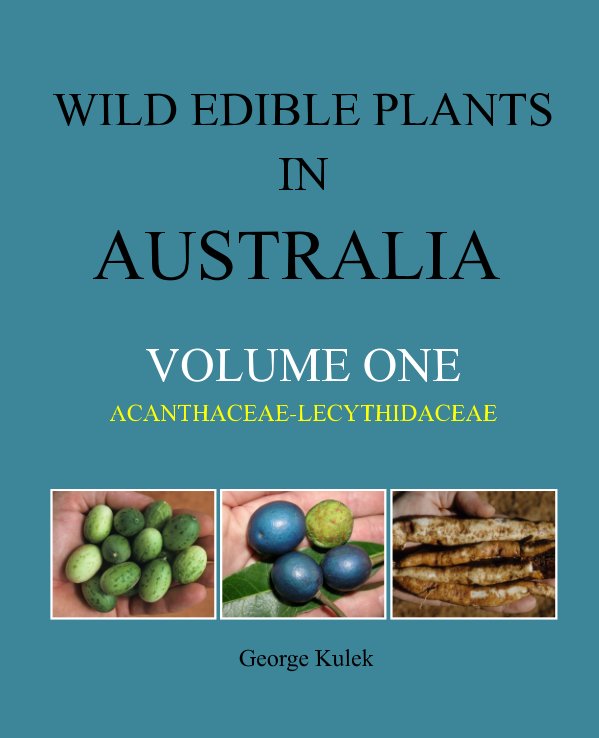
Before embarking on any foraging expedition, safety and sustainability are paramount. It is crucial to remember that misidentification can be dangerous, and some native plants are toxic. Always ensure you are absolutely certain of a plant’s identification before consumption. Local knowledge, field guides, and guided foraging tours are invaluable resources.
Furthermore, responsible foraging practices are essential to protect these delicate ecosystems. This includes:
- Never over-harvesting: Take only what you need, leaving plenty behind for the plant to reproduce and for other wildlife.
- Respecting private property: Always obtain permission before foraging on private land.
- Understanding seasonal availability: Different plants are edible at different times of the year.
- Learning about the plant’s role in the ecosystem: Some plants are vital food sources for native animals.
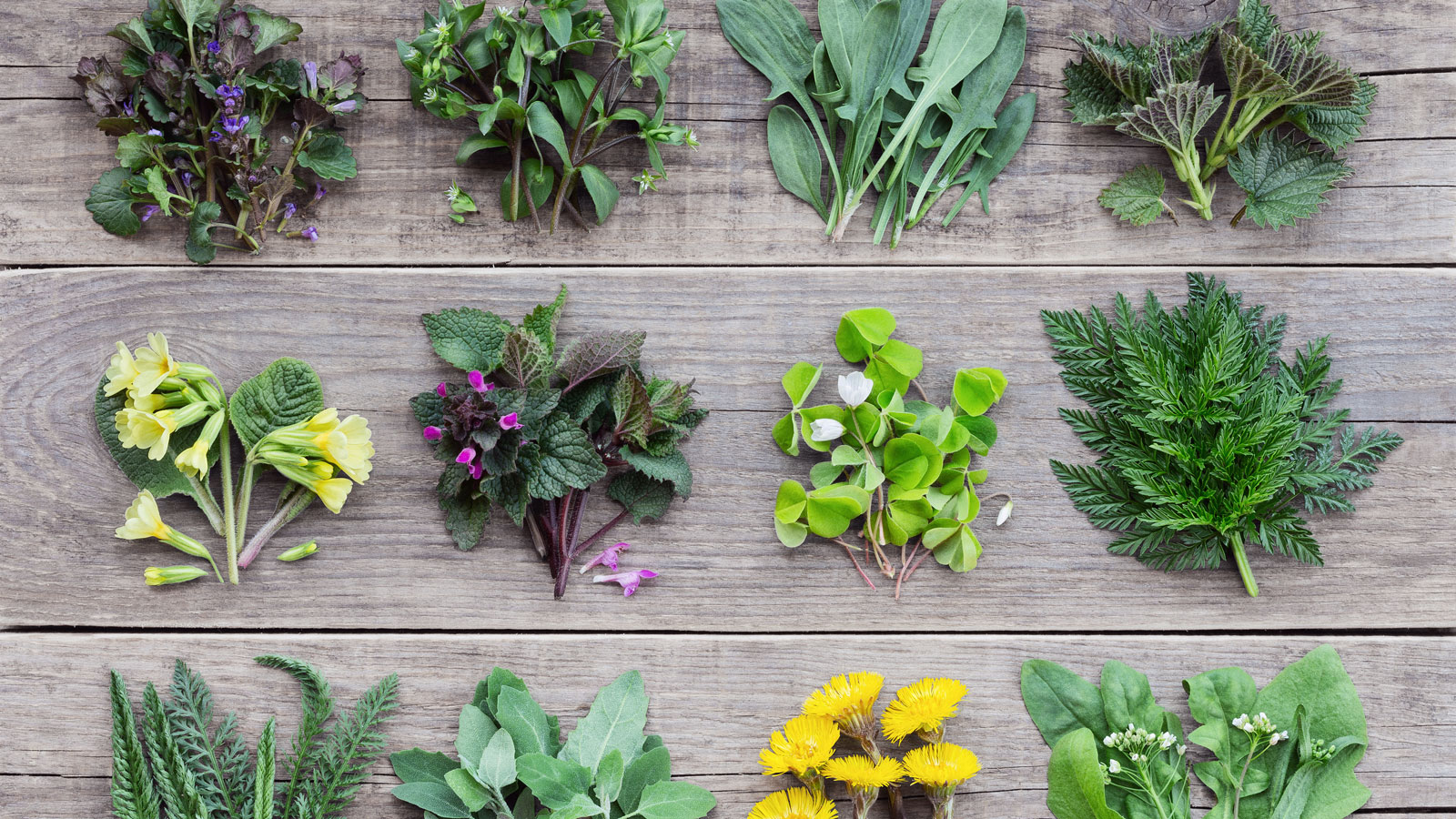
A Glimpse into Australia’s Wild Edible Pantry:
While a comprehensive list would be exhaustive, here are some of the most well-known and accessible wild edible plants found across Australia:
1. Wattleseed (Acacia spp.)
Perhaps one of the most iconic Australian native foods, wattleseeds are the roasted seeds of various Acacia species. They possess a distinctive nutty, coffee-like aroma and flavour, with hints of chocolate and spice. Rich in protein, fibre, and minerals, wattleseed has been a staple food for Indigenous Australians for millennia.
- Harvesting: Seeds are typically harvested from mature pods, dried, and then lightly roasted before grinding into a flour or powder.
- Culinary Uses: Wattleseed flour can be used in baking (breads, muffins, cookies), added to hot beverages like coffee and hot chocolate, incorporated into ice creams, sauces, and even savoury dishes. Its rich flavour complements both sweet and savoury profiles.
2. Finger Lime (Citrus australasica)
Often referred to as "lime caviar," the finger lime is a small, finger-shaped citrus fruit native to the rainforests of Queensland and New South Wales. Its interior is filled with small, juicy vesicles (pearls) that burst in the mouth, releasing a tart, zesty lime flavour.
- Harvesting: Fruits are typically harvested when ripe and firm.
- Culinary Uses: The pearls are a gourmet delight, used as a garnish for seafood, salads, desserts, and cocktails. They add a unique texture and a vibrant citrus kick.
3. Quandong (Santalum acuminatum)
Found in arid and semi-arid regions across Australia, the quandong is a small, round fruit that can range in colour from bright red to orange and purplish-brown. It has a sweet and slightly tart flavour, with a nutty kernel inside the stone.
- Harvesting: Fruits are harvested when ripe. The kernel can be extracted after the flesh is removed.
- Culinary Uses: Quandongs can be eaten fresh, dried, or preserved. They are commonly used in jams, pies, sauces, and desserts. The kernel can be roasted and eaten, or ground into a paste.
4. Bush Tomato (Solanum spp.)
Several species of Solanum, commonly known as bush tomatoes, are found throughout Australia. These small, often intensely flavoured fruits vary in colour and taste depending on the species, ranging from sweet to savoury and sometimes peppery.
- Harvesting: Fruits are harvested when ripe.
- Culinary Uses: Bush tomatoes can be eaten fresh, dried, or powdered. They are excellent in sauces, relishes, stews, and can be used as a flavouring agent in various dishes.
5. Wild Limes (Citrus spp.)
Beyond the finger lime, Australia is home to several other native citrus species, often referred to as wild limes or native limes. These vary in size, shape, and flavour, but generally offer a more intense and complex citrus profile than their cultivated cousins.
- Harvesting: Fruits are harvested when ripe.
- Culinary Uses: Similar to cultivated limes, they can be used in juices, marinades, dressings, desserts, and as a flavouring agent.
6. Sea Parsley (Crithmum maritimum)
A succulent coastal plant, sea parsley has a distinctive salty, herbaceous flavour with hints of aniseed. It thrives in sandy, saline environments.
- Harvesting: Young leaves and stems are typically harvested.
- Culinary Uses: Sea parsley can be eaten raw in salads, pickled, or added to cooked dishes like fish and seafood. It can also be used to flavour vinegars and oils.
7. Pigface (Carpobrotus spp.)
Another succulent that thrives in coastal areas, pigface has fleshy, edible leaves and a mildly sweet, salty fruit. The leaves can be eaten raw or cooked, and the fruit is similar to a fig.
- Harvesting: Young leaves and ripe fruits are harvested.
- Culinary Uses: Leaves can be eaten raw in salads, or cooked as a vegetable. The fruit can be eaten fresh or made into jams and jellies.
8. Lemon Myrtle (Backhousia citriodora)
This fragrant rainforest tree is renowned for its intensely lemony leaves. The essential oil extracted from lemon myrtle is highly prized for its aroma and flavour.
- Harvesting: Leaves are harvested fresh.
- Culinary Uses: Fresh leaves can be infused into teas, custards, and desserts. Dried leaves can be ground and used as a spice in savoury dishes, particularly with poultry and fish. It’s also a popular flavouring for ice cream, sorbets, and liqueurs.
Recipes Featuring Australian Wild Edibles:
Here are a few simple recipes to get you started exploring the unique flavours of Australian wild edibles:
Recipe 1: Wattleseed Crusted Lamb Chops
This recipe highlights the nutty, robust flavour of wattleseed.
Ingredients:
- 4 lamb chops
- 2 tablespoons roasted and ground wattleseed
- 1 tablespoon finely chopped fresh rosemary
- 1 teaspoon salt
- ½ teaspoon black pepper
- 1 tablespoon olive oil
Instructions:
- In a shallow dish, combine the ground wattleseed, rosemary, salt, and pepper.
- Press each lamb chop into the wattleseed mixture, ensuring an even coating on both sides.
- Heat the olive oil in a frying pan over medium-high heat.
- Sear the lamb chops for 3-4 minutes per side for medium-rare, or longer to your desired doneness.
- Let the lamb chops rest for a few minutes before serving.
Serving Suggestion: Serve with roasted root vegetables or a fresh green salad.
Recipe 2: Finger Lime and Prawn Salad
A refreshing salad showcasing the vibrant burst of finger lime.
Ingredients:
- 200g cooked prawns, peeled and deveined
- 1 ripe avocado, diced
- ½ red onion, thinly sliced
- ¼ cup fresh coriander, chopped
- 1-2 finger limes, halved and pearls extracted
- 2 tablespoons lime juice
- 1 tablespoon olive oil
- Salt and pepper to taste
Instructions:
- In a bowl, gently combine the cooked prawns, diced avocado, sliced red onion, and chopped coriander.
- In a small bowl, whisk together the lime juice, olive oil, salt, and pepper to create a dressing.
- Drizzle the dressing over the prawn mixture and toss gently to combine.
- Just before serving, scatter the finger lime pearls over the salad.
Serving Suggestion: This salad is perfect as a light lunch or starter.
Recipe 3: Lemon Myrtle Infused Panna Cotta
A delicate and aromatic dessert that captures the essence of lemon myrtle.
Ingredients:
- 500ml pouring cream
- 100ml milk
- 75g caster sugar
- 2 teaspoons dried lemon myrtle leaves (or 1 tablespoon fresh, finely chopped)
- 2 leaves gelatin, soaked in cold water
Instructions:
- In a saucepan, combine the cream, milk, and sugar. Add the lemon myrtle leaves.
- Heat the mixture gently over medium heat, stirring until the sugar dissolves. Do not boil.
- Remove from heat, cover, and let steep for 15-20 minutes to infuse the lemon myrtle flavour.
- Strain the cream mixture through a fine-mesh sieve to remove the lemon myrtle leaves, pressing gently to extract all the flavour. Discard the leaves.
- Squeeze the excess water from the soaked gelatin leaves. Add the gelatin to the warm cream mixture and stir until completely dissolved.
- Pour the mixture into individual ramekins or glasses.
- Chill in the refrigerator for at least 4 hours, or until set.
Serving Suggestion: Serve chilled, perhaps with a drizzle of native honey or fresh berries.
Conclusion:
Australia’s wild edible plants offer a compelling invitation to explore a rich and ancient culinary heritage. By approaching foraging with respect, knowledge, and a commitment to sustainability, we can not only discover incredible flavours but also foster a deeper connection to the unique natural environment of this vast continent. The taste of the outback, the tang of native citrus, and the subtle spice of wattleseed are just the beginning of a delicious journey into Australia’s extraordinary edible landscape. As more people embrace these native ingredients, we move closer to a future where traditional knowledge and modern gastronomy converge, celebrating the true flavour of Australia.


