
The Witchetty Grub: A Cornerstone of Indigenous Australian Culture and Cuisine
The vast and ancient landscape of Australia is home to a rich tapestry of traditions, spiritual beliefs, and culinary practices that have been passed down through countless generations of Indigenous peoples. Among the most significant and deeply ingrained elements of this cultural heritage is the humble witchetty grub. Far more than just a food source, the witchetty grub (collectively referring to the larvae of several moth species, most notably Endoxyla spp.) holds profound cultural, spiritual, and ecological importance for Aboriginal communities across the continent. Its presence is woven into stories, ceremonies, and the very fabric of daily life, making it a cornerstone of Indigenous Australian identity.
A Sacred Sustenance: Nutritional and Ecological Significance
For millennia, Indigenous Australians have relied on the witchetty grub as a vital source of protein and essential nutrients. These plump, white larvae, found in the root systems of specific acacia trees (witchetty bushes) and other plants like the desert oak, are packed with healthy fats and a range of vitamins and minerals. Their abundance and accessibility in many arid and semi-arid regions made them a crucial food staple, particularly during times when other food sources might be scarce.

The harvesting of witchetty grubs is not a haphazard affair; it is governed by deep ecological knowledge and respect for the land. Indigenous peoples understand the life cycles of the moths and the plants that host them, ensuring sustainable harvesting practices. They know where to find the grubs, how to extract them without damaging the host plant, and when to harvest to allow for replenishment. This intimate understanding of the ecosystem highlights the interconnectedness of all living things in Indigenous worldviews. The witchetty grub is not merely food; it is a gift from the land, to be received with gratitude and managed with wisdom.
More Than Just Food: Cultural and Spiritual Significance
The cultural significance of the witchetty grub extends far beyond its nutritional value. It is a potent symbol embedded in the Dreamtime, the complex spiritual belief system that underpins Aboriginal culture. In many Indigenous creation stories, the witchetty grub plays a central role, often depicted as a totem animal or a significant ancestor figure. These stories explain the origins of the world, the laws of society, and the relationships between humans, animals, and the land.
For example, in some traditions, the witchetty grub is believed to have been shaped by ancestral beings and its appearance and life cycle are seen as reflections of deeper spiritual truths. It can represent transformation, fertility, and the cyclical nature of life. The act of eating the witchetty grub can be a ritualistic experience, connecting individuals to their ancestors, their land, and their cultural heritage.
Furthermore, the witchetty grub is often associated with specific ceremonies and initiation rites. Young boys, as part of their passage into manhood, might be taught the knowledge and skills required to find and prepare witchetty grubs. This process instills in them not only survival skills but also a deep understanding of their cultural responsibilities and their place within the community. The sharing of witchetty grubs during gatherings can also be a way to strengthen social bonds and reaffirm collective identity.
Preparation and Culinary Traditions
The preparation of witchetty grubs is a testament to the ingenuity and resourcefulness of Indigenous Australians. While they can be eaten raw, which is often described as having a nutty, almond-like flavor, they are most commonly cooked. The most traditional method involves cooking them in the embers of a campfire. This gentle cooking process renders them soft and slightly sweet, with a texture that can be compared to scrambled eggs or soft cheese.
When cooked, the grub’s skin becomes slightly crispy, and its interior becomes creamy and rich. Some accounts describe a subtle, earthy aroma when they are cooked. The flavor is often perceived as delicate and appealing, challenging the Western perception of insects as unpalatable. The versatility of the witchetty grub in Indigenous cuisine is notable. They can be roasted, boiled, or even baked in traditional earth ovens.
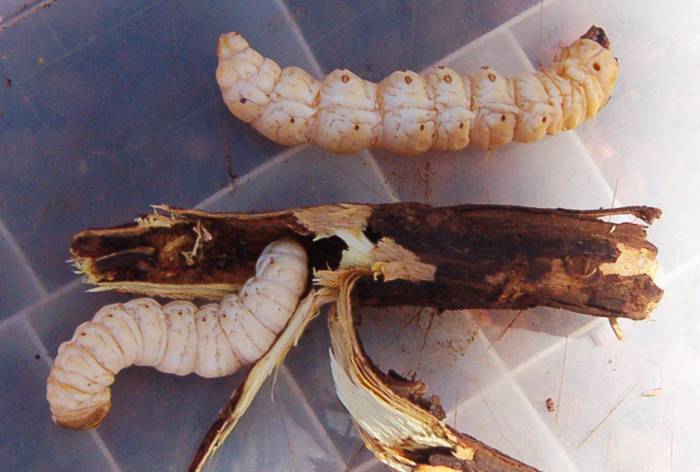
Beyond simple cooking, there are variations in preparation depending on the specific region and cultural group. Some communities might add herbs or spices, while others might consume them with other bush foods. The emphasis is always on preserving the natural flavor and nutritional integrity of the grub.
Modern Context and Challenges
In contemporary Australia, the witchetty grub continues to hold its cultural significance, though its role has evolved. While traditional knowledge and practices are still maintained by many Indigenous communities, the pressures of modern life, urbanization, and changes in land management have presented challenges. Access to traditional hunting and gathering grounds can be limited, and the knowledge of witchetty grub harvesting is not always passed down to younger generations as consistently as it once was.
However, there is a growing movement to revive and celebrate Indigenous food traditions. This includes the witchetty grub. Restaurants and culinary initiatives are increasingly featuring Indigenous ingredients, bringing them to a wider audience and fostering a greater appreciation for this unique food. This resurgence is not just about food; it is about cultural reclamation and the assertion of Indigenous identity in a modern world.
The witchetty grub serves as a powerful reminder of the deep and enduring connection between Indigenous Australians and their land. It is a symbol of resilience, tradition, and the sophisticated knowledge systems that have sustained Aboriginal peoples for tens of thousands of years. As Australia continues to grapple with its colonial past and strive for reconciliation, understanding and valuing the cultural significance of elements like the witchetty grub is crucial.
Conclusion
The witchetty grub is far more than just a fascinating insect larva; it is a living embodiment of Indigenous Australian culture. From its vital role as a nutritional powerhouse and a sustainable food source to its deep spiritual connections within the Dreamtime and its place in traditional ceremonies, the witchetty grub is an indispensable part of the continent’s heritage. Its story is a testament to the profound knowledge, respect, and interconnectedness that Indigenous peoples have cultivated with the natural world for millennia. As we look to the future, embracing and celebrating the enduring significance of the witchetty grub offers a pathway to greater understanding, appreciation, and respect for the First Peoples of Australia.
Witchetty Grub Recipe Ideas
While traditional preparation methods are paramount, here are some conceptual recipe ideas that aim to honor the essence of witchetty grubs, drawing inspiration from their natural flavors and Indigenous culinary approaches. It is crucial to note that sourcing witchetty grubs ethically and sustainably is paramount, and it is highly recommended to engage with Indigenous communities or authorized suppliers if you wish to explore these culinary traditions. These recipes are presented as illustrative examples and should be approached with respect for the cultural origins.
Important Considerations Before Preparing:
- Source Ethically: Always ensure your witchetty grubs are sourced from sustainable and ethical suppliers, ideally connected to Indigenous communities who can provide guidance and knowledge.
- Respect Tradition: Understand that these are not simply ingredients but have deep cultural significance. Approach their preparation and consumption with reverence.
- Taste Profile: Witchetty grubs, when cooked, are often described as having a mild, slightly nutty, and creamy flavor, with a texture akin to scrambled eggs or soft cheese.
1. Campfire Roasted Witchetty Grubs (Traditional Method Inspired)
This is the most authentic and time-honored method.
Ingredients:
- Freshly harvested witchetty grubs
- Optional: A few sprigs of native herbs (if available and ethically sourced)
- Optional: A pinch of sea salt
Instructions:
- Clean (if necessary): Gently brush off any excess soil. Some traditions may rinse them very briefly, but avoid prolonged soaking.
- Prepare the Fire: Build a moderate campfire. Allow the flames to die down to hot embers.
- Roast: Place the witchetty grubs directly onto the hot embers. Alternatively, you can wrap them loosely in large, clean native leaves (like eucalyptus or wattle leaves, if appropriate and safe) before placing them on the embers.
- Cook: Roast for about 5-10 minutes, or until the outer skin becomes slightly firm and lightly browned, and the grub inside is heated through and soft.
- Serve: Carefully remove from the embers. Serve hot. If using, add a tiny pinch of sea salt or a few wilted native herbs.
Flavor Profile: Nutty, creamy, slightly sweet, with a hint of smokiness from the campfire.
2. Witchetty Grub "Scramble" with Bush Tomato
This recipe reimagines the creamy texture of cooked witchetty grubs in a slightly more structured dish.
Ingredients:
- 1 cup witchetty grubs
- 1 small bush tomato (or a very small amount of dried bush tomato, rehydrated and finely chopped) – provides a tangy, slightly savory element.
- 1 teaspoon finely chopped native mint (like native spearmint or similar) – for freshness.
- A tiny pinch of desert lime zest (optional) – for a bright citrus note.
- Optional: A drizzle of macadamia nut oil (for richness)
Instructions:
- Prepare Grubs: Gently clean the witchetty grubs.
- Cook Grubs: Heat a flat rock or a cast-iron pan over low to medium heat. Add the witchetty grubs and cook gently, stirring occasionally, until they are heated through and have a soft, creamy consistency. They will release some of their natural juices.
- Incorporate Flavors: Add the finely chopped bush tomato and native mint to the pan. Stir gently to combine.
- Finish: If using, add a tiny pinch of desert lime zest and a drizzle of macadamia nut oil. Cook for another minute until fragrant.
- Serve: Serve immediately as a side dish or a light snack.
Flavor Profile: Creamy, nutty, with a subtle tang from the bush tomato and a fresh aroma from the mint.
3. Witchetty Grub "Pâté" with Seeded Bush Tucker Crackers
This recipe aims to create a spreadable delicacy, showcasing the rich texture of the grubs.
Ingredients:
- 1.5 cups witchetty grubs
- 1 tablespoon quandong paste (or a very small amount of dried quandong, finely puréed) – for a sweet-tart element.
- 1 teaspoon finely ground roasted wattle seeds (for a nutty, earthy depth)
- A tiny pinch of saltbush powder (for a subtle salty flavor)
- Optional: A few drops of lemon myrtle essential oil (use with extreme caution and only food-grade)
Instructions:
- Prepare Grubs: Gently clean the witchetty grubs.
- Cook Grubs: Lightly roast the witchetty grubs in embers or in a dry pan over low heat until they are soft and creamy.
- Purée: Transfer the cooked grubs to a mortar and pestle or a small food processor. Add the quandong paste, ground wattle seeds, and saltbush powder.
- Mash/Process: Mash or process until you achieve a coarse pâté-like consistency. Do not over-process into a smooth paste; a little texture is desirable.
- Flavor (Optional): If using, add a tiny drop of lemon myrtle oil and gently mix.
- Chill: Transfer to a small serving dish and chill for at least 30 minutes to allow the flavors to meld.
- Serve: Serve with traditional seeded bush tucker crackers, unleavened bread, or even crisp native greens.
Flavor Profile: Rich, creamy, with a balance of sweet-tart from the quandong, earthy nuttiness from the wattle seeds, and a hint of salinity.
These recipes are a starting point for appreciating the culinary potential of witchetty grubs, always with a deep respect for their cultural significance.


