The Witchetty Grub: An Outback Delicacy and Its Enigmatic Taste
The Australian Outback, a vast and unforgiving landscape, is a treasure trove of unique flora and fauna, many of which have sustained Indigenous Australians for millennia. Among these ancient food sources, the witchetty grub stands out as a particularly iconic and often intriguing delicacy. More than just a food item, the witchetty grub is woven into the cultural fabric of Aboriginal peoples, its harvesting and consumption steeped in tradition and knowledge passed down through generations. But for those unfamiliar with this subterranean morsel, the question inevitably arises: what does a witchetty grub taste like?
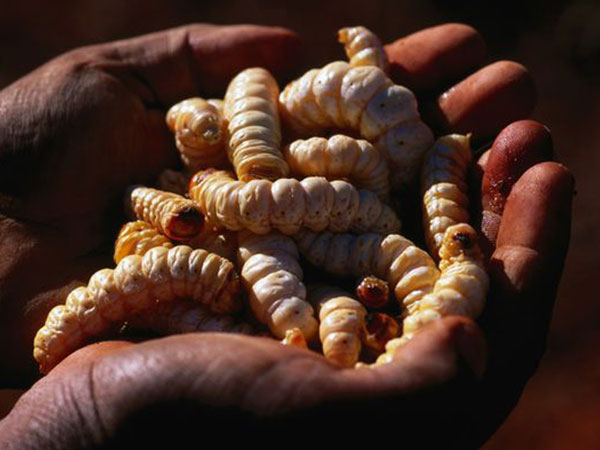
To understand the taste of a witchetty grub, we must first appreciate its context. These plump, white, and often substantial larvae are the grub stage of several moth species, most notably the Endoxyla leucomochla (witchetty moth) and the Hepialidae family. They burrow into the roots of specific trees, such as the witchetty bush (Acacia cambagei) and the ghost gum (Corymbia terminalis), feeding on the sap and nutrients. Their presence is often indicated by small mounds of frass (insect droppings) near the base of the host tree. For Indigenous Australians, the witchetty grub is a vital source of protein, fats, and essential nutrients, a testament to their deep understanding of the bush and its edible bounty.
The preparation and consumption of witchetty grubs vary across different Aboriginal language groups and regions. However, a common method involves extracting the live grub from its burrow and consuming it raw. This is often considered the purest way to experience its flavor. When eaten raw, the witchetty grub presents a surprising and complex sensory experience.

The Texture: A Journey from Crispy to Creamy
The initial encounter with a raw witchetty grub is often its texture. Many describe a distinct crispness as you bite through the outer skin. This is followed by a yielding, almost nutty, and creamy interior. It’s a textural dichotomy that can be quite unexpected, especially for those accustomed to more uniform food textures. Some liken the initial crunch to that of a fresh pea pod, while the interior is reminiscent of soft cheese or even a rich custard. The experience is far from the slimy, squishy texture often associated with insect consumption by outsiders. Instead, it’s a firm yet yielding bite that melts in the mouth.
The Flavor Profile: Nutty, Earthy, and Subtly Sweet
The flavor of a witchetty grub is where the true enigma lies, and descriptions can vary. However, several key notes consistently emerge. The most prominent flavor is a distinct nutty undertone. This nutty quality is often compared to almonds, macadamia nuts, or even a subtle hazelnut. It’s a clean, wholesome nuttiness that speaks of its natural diet, drawing sustenance from the earth.
Complementing the nuttiness is an earthy flavor. This is not the overwhelming, muddy earthiness of some root vegetables, but rather a delicate, grounded taste that hints at its subterranean existence. It’s a flavor that connects you to the land from which it was harvested, a subtle reminder of its natural origins.
Beyond the nutty and earthy notes, there’s a surprising subtle sweetness. This sweetness is not cloying or sugary but rather a delicate, almost floral sweetness that balances the other flavors. Some have likened it to the sweetness of corn or even a hint of honey. This sweetness is particularly noticeable when the grub is cooked.
The Aroma: A Hint of the Outback
The aroma of a witchetty grub is often as intriguing as its taste. When raw, it can have a mild, almost neutral scent. However, when cooked, particularly roasted, the aroma intensifies. It’s often described as pleasant and slightly savory, with hints of roasted nuts and a faint, sweet aroma. This is a far cry from any unpleasant "buggy" smell, further dispelling common misconceptions.


The Culinary Transformation: Cooking and its Impact on Taste
While consuming witchetty grubs raw is traditional and offers a direct taste experience, cooking them unlocks new dimensions of flavor and texture. Roasting is a popular method, often done directly on hot coals or wrapped in damp leaves.
Roasted Witchetty Grubs:
Roasting intensifies the nutty flavors and brings out a more pronounced sweetness. The outer skin becomes slightly crispy and golden brown, while the interior becomes even creamier and richer. The earthy notes are still present but are harmonized by the roasting process. Many liken the taste of roasted witchetty grubs to that of prawns or even chicken, particularly in their savory richness and slightly chewy texture. The aroma becomes more enticing, with a distinct roasted nut and savory scent.
Fried Witchetty Grubs:
Frying, while less traditional, can also be a delightful way to prepare witchetty grubs. They develop a satisfying crisp exterior and a creamy, flavorful interior. The flavors are similar to roasted, with amplified nuttiness and sweetness.
Boiled or Steamed Witchetty Grubs:
Boiling or steaming will result in a softer, more uniform texture. The flavors will be more delicate, with the sweetness and nuttiness still present but less pronounced than in roasted or fried preparations. This method is often used when the grubs are to be incorporated into other dishes.
Comparisons and Metaphors:
To help outsiders grasp the taste, comparisons are often made to familiar foods. Beyond the already mentioned prawns, chicken, and nuts, some describe:
- Avocado: For its creamy texture and mild, rich flavor.
- Cheese: Particularly a soft, mild cheese with a slightly nutty profile.
- Mushroom: For its earthy undertones.
- Pea Pod: For the initial crispness when raw.
It’s important to note that these are analogies, and the witchetty grub has a unique flavor profile that cannot be perfectly replicated. Its taste is intrinsically linked to its environment and its biological role.
Beyond the Taste: Cultural Significance and Sustainability
The witchetty grub is more than just a food; it is a symbol of Indigenous Australian culture, resilience, and their profound connection to the land. Harvesting these grubs is an art form, requiring extensive knowledge of the bush, the trees, and the subtle signs of their presence. The sustainability of witchetty grub populations has been managed by Aboriginal peoples for thousands of years, a practice rooted in deep respect for the ecosystem.
In a modern context, the witchetty grub represents an opportunity for culinary exploration and a deeper appreciation for traditional foodways. As interest in native Australian ingredients grows, the witchetty grub is finding its way onto more adventurous menus, offering diners a unique taste of the Outback.
A Word of Caution and Respect:
For those fortunate enough to have the opportunity to try witchetty grubs, it is crucial to do so with respect for the cultural significance and traditional knowledge surrounding them. Always source them ethically and, if possible, from Indigenous guides who can share the deeper meaning behind this ancient delicacy.
In conclusion, the taste of a witchetty grub is a fascinating tapestry of nutty, earthy, and subtly sweet flavors, complemented by a unique textural journey from crisp to creamy. Whether enjoyed raw in its purest form or transformed by the heat of a fire, the witchetty grub offers a culinary experience that is both delicious and deeply rooted in the ancient wisdom of the Australian continent. It is a taste of the Outback, a taste of tradition, and a taste of the extraordinary.
Witchetty Grub Recipes: Exploring the Flavors of the Outback
While traditionally consumed raw or simply roasted, witchetty grubs can be incorporated into various dishes, offering a unique nutty and earthy flavor profile. Here are a few recipe ideas, keeping in mind that witchetty grubs are a delicacy and often best enjoyed with minimal intervention to appreciate their natural taste.
Important Note: Sourcing witchetty grubs ethically and sustainably is paramount. If you have the opportunity to try them, it’s best done under the guidance of Indigenous Australians who possess the knowledge of sustainable harvesting and preparation. These recipes are for illustrative purposes and assume access to ethically sourced grubs.
1. Traditional Roasted Witchetty Grubs
This is the most classic and often preferred method for experiencing the true flavor of witchetty grubs.
Ingredients:
- Fresh witchetty grubs (as many as you wish to consume)
- Optional: A few damp native leaves (e.g., eucalyptus leaves, if safe and appropriate for cooking) for wrapping.
Instructions:
- Preparation: Gently rinse the witchetty grubs under cool water to remove any loose debris. Pat them dry with a clean cloth.
- Roasting Method 1 (Direct Heat):
- Prepare a medium-hot campfire or a charcoal grill.
- Carefully place the witchetty grubs directly onto the hot coals or grill grate.
- Roast for about 5-10 minutes, turning them occasionally, until they are golden brown and slightly puffed. The skin should become a little crispy.
- Roasting Method 2 (Leaf Wrapped):
- If using, gently rinse and pat dry a few native leaves.
- Place the witchetty grubs in the center of the leaves.
- Wrap the leaves tightly to form a parcel.
- Bury the parcel in the hot embers of a campfire or place them on a grill.
- Roast for about 10-15 minutes, depending on the heat.
- Serving: Carefully remove the grubs from the heat. They can be eaten directly from the skin. The interior will be creamy and rich.
Flavor Profile: Intense nutty flavor, slightly sweet, with a creamy interior and a subtly crisp exterior.
2. Witchetty Grub Skewers with Bush Tomato Glaze
This recipe adds a touch of sweetness and tang from native Australian ingredients.
Ingredients:
- 12-15 fresh witchetty grubs
- Wooden skewers (soaked in water if grilling)
- 2 tablespoons bush tomato paste or reduced bush tomato sauce
- 1 tablespoon native honey (e.g., sugarbag honey)
- 1 teaspoon native mint or lemon myrtle, finely chopped (optional)
- Salt and pepper to taste
- Olive oil or native macadamia oil for brushing
Instructions:
- Preparation: Rinse and pat dry the witchetty grubs.
- Marinate (Optional): For a deeper flavor, you can marinate the grubs for 15-30 minutes in a mixture of a little native oil and lemon myrtle.
- Skewer: Thread the witchetty grubs onto the wooden skewers, leaving a small space between each grub.
- Prepare Glaze: In a small bowl, whisk together the bush tomato paste, native honey, and chopped native mint (if using).
- Cook:
- Grilling: Brush the skewers lightly with oil. Grill over medium-high heat for about 5-7 minutes, turning frequently, until the grubs are lightly golden and slightly puffed. Brush with the bush tomato glaze during the last 2 minutes of cooking.
- Pan-Frying: Heat a little oil in a non-stick pan over medium-high heat. Add the skewers and cook for about 5-7 minutes, turning frequently. Brush with glaze in the last 2 minutes.
- Season: Season lightly with salt and pepper.
- Serving: Serve immediately. The glaze adds a sweet and tangy counterpoint to the grubs’ natural flavors.
Flavor Profile: A harmonious blend of nutty, earthy grubs with a sweet and tangy bush tomato glaze.
3. Witchetty Grub and Native Greens Salad
A lighter preparation that highlights the creamy texture and subtle flavors of the grubs.
Ingredients:
- 8-10 fresh witchetty grubs
- 2 cups mixed native greens (e.g., warrigal greens, sea purslane, native spinach)
- 1/4 cup thinly sliced quandongs (fresh or rehydrated) or bush plum
- 1/4 cup toasted macadamia nuts, roughly chopped
- Dressing:
- 2 tablespoons native olive oil or macadamia oil
- 1 tablespoon native lime juice or bush lemon juice
- 1 teaspoon native honey or agave nectar
- Pinch of salt and pepper
Instructions:
- Prepare Grubs: Rinse and pat dry the witchetty grubs. You can lightly pan-fry them for 2-3 minutes in a little native oil until they are slightly firm and warm, or serve them raw for a more delicate texture.
- Prepare Greens: Wash and thoroughly dry the native greens.
- Assemble Salad: In a large bowl, combine the native greens, sliced quandongs (or bush plum), and toasted macadamia nuts.
- Make Dressing: Whisk together the native olive oil, native lime juice, native honey, salt, and pepper.
- Combine: Add the prepared witchetty grubs to the salad bowl. Drizzle the dressing over the salad and toss gently to combine.
- Serving: Serve immediately. The creamy grubs will offer a rich contrast to the fresh greens and crunchy nuts.
Flavor Profile: Fresh, vibrant, with the subtle nutty and creamy notes of the grubs balanced by the tang of native fruits and the bitterness of greens.
4. Witchetty Grub and Bush Yam Mash
A comforting and nourishing dish that pairs the grubs with a starchy native root vegetable.
Ingredients:
- 15-20 fresh witchetty grubs
- 2 medium bush yams (or sweet potatoes as a substitute), peeled and cubed
- 1 tablespoon native butter or macadamia nut oil
- Splash of native milk or water (optional, for consistency)
- Salt and pepper to taste
- Optional: A sprinkle of native herbs for garnish
Instructions:
- Cook Bush Yams: Boil or steam the cubed bush yams until tender.
- Prepare Grubs: While the yams are cooking, gently pan-fry the witchetty grubs in a little native butter or oil for about 3-5 minutes until they are warmed through and slightly firm. You can also roast them separately.
- Mash: Drain the cooked bush yams and mash them thoroughly.
- Combine: Stir the pan-fried or roasted witchetty grubs into the mashed bush yams. Add a splash of native milk or water if a smoother consistency is desired.
- Season: Season with salt and pepper to taste.
- Serving: Serve hot, garnished with a sprinkle of native herbs if desired.
Flavor Profile: A hearty and comforting dish where the creamy, nutty grubs meld with the earthy sweetness of the bush yams.
These recipes offer a glimpse into the culinary potential of the witchetty grub. Remember to approach these unique ingredients with an open mind and a deep appreciation for the traditions and ecosystems they represent.


