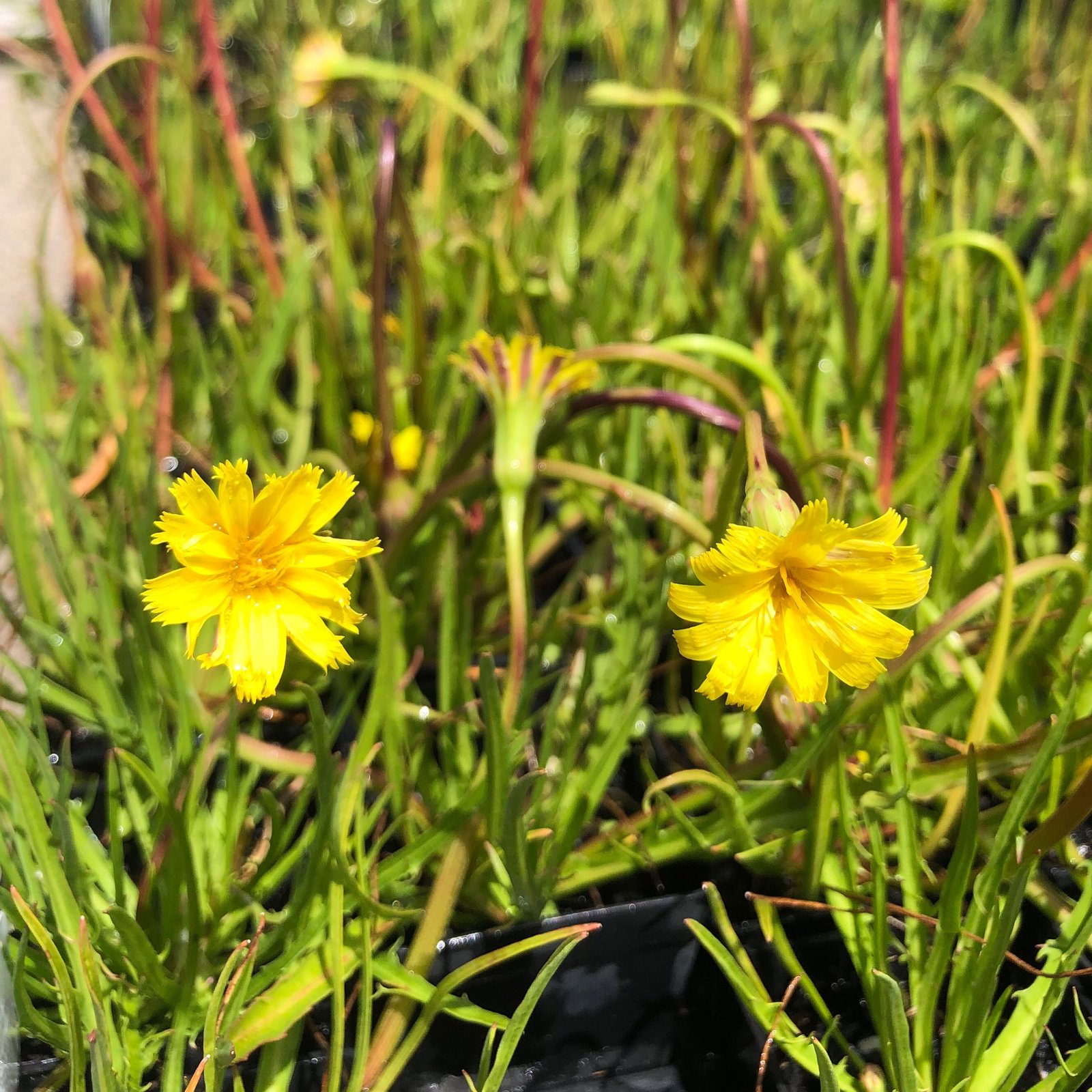
Discover the Edible Wonder: Yam Daisy (Murnong) Plants for Sale
The Australian landscape is a treasure trove of unique flora, many of which possess a rich cultural heritage and surprising culinary potential. Among these native gems, the Yam Daisy, scientifically known as Burchardia umbellata and affectionately referred to as Murnong by Indigenous Australians, stands out as a particularly fascinating and delicious option for gardeners and food enthusiasts alike. Once a staple food source for many Aboriginal communities across southeastern Australia, the Yam Daisy is experiencing a resurgence, and its tubers are now becoming increasingly available for cultivation. This article delves into the captivating world of the Yam Daisy plant, exploring its characteristics, cultivation, culinary uses, and where you can find these remarkable plants for sale.
A Glimpse into the Yam Daisy’s Heritage and Biology
The Yam Daisy is a perennial herbaceous plant belonging to the Colchicaceae family. It’s native to temperate and southern Australia, thriving in a variety of habitats, from sandy coastal heaths to woodlands and grasslands. Its most distinctive feature is its edible underground tuber, which is the primary reason for its historical and contemporary significance.
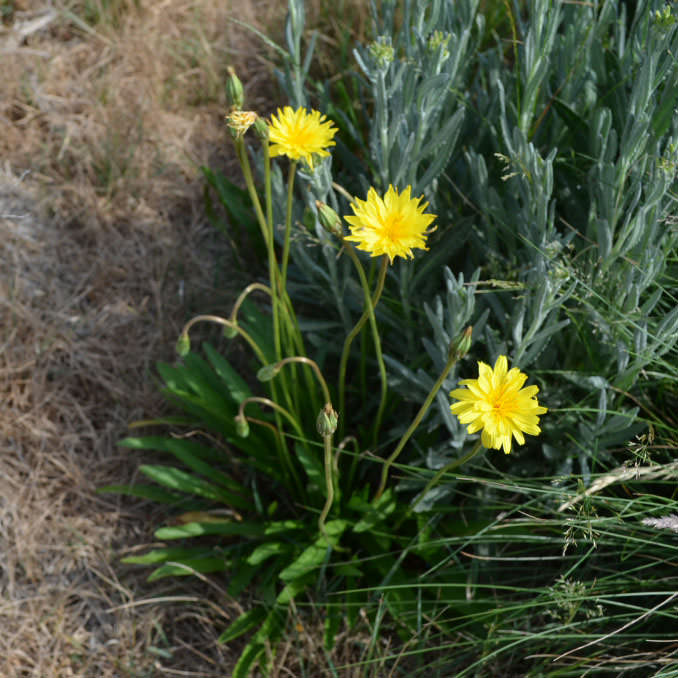
Physically, the Yam Daisy presents a graceful appearance. It typically grows to a height of 30-60 cm, with slender, grass-like leaves that emerge from the base. During spring and early summer, it produces a striking umbel of delicate, star-shaped white flowers, often with a pinkish tinge. These flowers are not only beautiful but also attract beneficial pollinators to your garden.
However, the true magic of the Yam Daisy lies beneath the surface. The tubers are typically oval to elongated, varying in size from that of a small potato to a larger sweet potato. Their texture is starchy and firm, and their flavour is often described as subtly sweet, earthy, and nutty, with a hint of something akin to a parsnip or a sweet potato.
Historically, Murnong was a vital food source for Indigenous Australians for thousands of years. Its cultivation and harvesting were intricate practices, often involving controlled burning to encourage tuber growth and to clear competing vegetation. The tubers were eaten raw, roasted, boiled, or baked in earth ovens. Their versatility and nutritional value made them a cornerstone of many traditional diets.
Why Grow Yam Daisy? The Benefits and Appeal
There are numerous compelling reasons to consider planting Yam Daisy in your garden:
- Edible Delicacy: The most obvious appeal is the delicious and nutritious tuber. Unlike many ornamental plants, the Yam Daisy offers a tangible reward in the form of a unique culinary ingredient.
- Native and Low Maintenance: As a native Australian plant, the Yam Daisy is well-adapted to local conditions. Once established, it requires minimal watering, fertilization, or pest control, making it an excellent choice for eco-conscious gardeners and those seeking low-maintenance options.
- Drought Tolerance: Its ability to survive and thrive with limited water makes it a resilient choice, especially in drier climates.
- Attracts Pollinators: The beautiful flowers not only add aesthetic appeal but also provide a valuable food source for native bees and other beneficial insects, contributing to a healthier garden ecosystem.
- Cultural Significance: Growing Yam Daisy is a way to connect with and honour the rich cultural heritage of Indigenous Australians. It’s an opportunity to learn about traditional food systems and to contribute to the preservation of native Australian food plants.
- Unique Garden Feature: The delicate white flowers and graceful foliage add a touch of natural beauty to any garden setting, whether planted in borders, rockeries, or even pots.
- Sustainable Food Source: By growing your own Yam Daisy, you are contributing to a more sustainable food system, reducing your reliance on commercially produced and often transported ingredients.
Cultivating Your Own Yam Daisy: A Guide to Success
Growing Yam Daisy is a rewarding experience, and with a few key considerations, you can ensure a successful harvest.
1. Sourcing Your Plants:
The most crucial first step is to find reliable sources for Yam Daisy plants for sale. As demand grows, more nurseries specializing in native Australian plants are offering them. Look for:
- Specialist Native Plant Nurseries: These are your best bet for healthy, well-grown Yam Daisy plants. They often have knowledgeable staff who can offer tailored advice.
- Online Native Plant Retailers: Many reputable online nurseries ship across Australia. Ensure they have good reviews and a clear shipping policy.
- Local Aboriginal Land Councils or Cultural Centres: In some regions, these organizations may offer plants or direct you to local growers who are cultivating Murnong.
- Seed vs. Tubers: While seeds can be sown, they can take longer to establish and may have lower germination rates. Purchasing established tubers or young plants from a nursery is generally the easiest and most efficient way to start your Yam Daisy patch.
2. Planting and Location:
- Sunlight: Yam Daisy prefers full sun to partial shade. In hotter climates, a location that receives some afternoon shade can be beneficial.
- Soil: They are adaptable to a range of soil types, but well-draining soil is essential to prevent tuber rot. Sandy loams are ideal. If your soil is heavy clay, amend it with compost and grit to improve drainage.
- Planting Depth: Plant the tubers about 5-10 cm deep, with the growing point (where the shoots emerge) facing upwards.
- Spacing: Space plants about 20-30 cm apart to allow for adequate growth and air circulation.
3. Watering and Fertilizing:
- Watering: Once established, Yam Daisy is quite drought-tolerant. Water regularly during the initial establishment phase and during prolonged dry spells. Avoid overwatering, as this can lead to tuber rot.
- Fertilizing: Yam Daisy generally doesn’t require heavy fertilization. A light application of a native plant-specific fertilizer or compost in spring can be beneficial.
4. Harvesting Your Bounty:
The tubers are typically ready for harvest in late summer to autumn, after the plant has finished flowering and the foliage begins to die back.
- When to Harvest: Look for the leaves to turn yellow and start to wither. This indicates that the plant is entering its dormancy period and the tubers are mature.
- How to Harvest: Carefully dig around the base of the plant with a fork or spade, being mindful not to damage the tubers. Gently unearth them.
- Storage: Freshly harvested tubers can be stored in a cool, dark, and dry place for a few weeks. For longer storage, they can be dried or blanched and frozen.
Culinary Delights: Recipes Featuring Yam Daisy
The mild, sweet, and nutty flavour of Yam Daisy tubers makes them incredibly versatile in the kitchen. Here are a few recipe ideas to get you started:
Recipe 1: Roasted Yam Daisy with Native Herbs
This simple recipe highlights the natural flavour of the Yam Daisy, enhanced by aromatic native herbs.
Yields: 4 servings
Prep time: 15 minutes
Cook time: 30-40 minutes
Ingredients:
- 500g Yam Daisy tubers, scrubbed clean and cut into bite-sized pieces
- 2 tablespoons olive oil
- 1 teaspoon dried native thyme (or regular thyme)
- 1 teaspoon dried native rosemary (or regular rosemary)
- Salt and freshly ground black pepper to taste
- Optional: A sprinkle of quandong powder or lemon myrtle for extra flavour
Instructions:
- Preheat your oven to 200°C (180°C fan-forced).
- In a large bowl, toss the Yam Daisy pieces with olive oil, native thyme, native rosemary, salt, and pepper until evenly coated.
- Spread the coated Yam Daisy pieces in a single layer on a baking tray.
- Roast for 30-40 minutes, or until the tubers are tender and lightly golden brown, turning them halfway through the cooking time.
- If using, sprinkle with quandong powder or lemon myrtle before serving.
- Serve hot as a side dish or as a delicious snack.
Recipe 2: Yam Daisy Mash with Bush Tomato Relish
A comforting and flavourful mash, elevated by the tang of bush tomato relish.
Yields: 4 servings
Prep time: 20 minutes
Cook time: 25-30 minutes
Ingredients:
-
750g Yam Daisy tubers, scrubbed clean and cut into similar-sized chunks
-
50g butter (or native macadamia oil for a dairy-free option)
-
1/4 cup milk (or plant-based milk)
-
Salt and freshly ground black pepper to taste
-
For the Bush Tomato Relish:
- 1/2 cup dried bush tomatoes (or sun-dried tomatoes), rehydrated and chopped
- 1 small red onion, finely diced
- 1 clove garlic, minced
- 1 tablespoon native finger lime pulp (or lime juice)
- 1 teaspoon native honey (or regular honey)
- 1/2 teaspoon chilli flakes (optional)
- Salt to taste
Instructions:
- Prepare the Yam Daisy Mash: Place the Yam Daisy chunks in a pot and cover with cold water. Bring to a boil and cook for 20-25 minutes, or until fork-tender. Drain well.
- Return the drained Yam Daisy to the pot. Add butter (or macadamia oil) and milk (or plant-based milk). Mash until smooth and creamy, seasoning with salt and pepper to taste. Keep warm.
- Prepare the Bush Tomato Relish: While the Yam Daisy is cooking, heat a little oil in a small saucepan over medium heat. Add the diced red onion and cook until softened, about 5 minutes. Add the minced garlic and chilli flakes (if using) and cook for another minute until fragrant.
- Stir in the chopped rehydrated bush tomatoes, finger lime pulp (or lime juice), and honey. Simmer for 5-7 minutes, or until the relish has thickened slightly. Season with salt to taste.
- Serve: Spoon the warm Yam Daisy mash onto plates and top generously with the bush tomato relish.
Recipe 3: Yam Daisy and Kangaroo Sausage Patties
A hearty and uniquely Australian dish, combining the subtle sweetness of Yam Daisy with the lean flavour of kangaroo.
Yields: 4-6 patties
Prep time: 25 minutes
Cook time: 15-20 minutes
Ingredients:
- 250g Yam Daisy tubers, scrubbed clean and finely grated
- 300g ground kangaroo mince
- 1/4 cup finely chopped native saltbush (or parsley)
- 1/4 cup finely chopped native wattle seed (toasted and ground, or omit if unavailable)
- 1 small onion, finely grated
- 1 clove garlic, minced
- 1 egg, lightly beaten
- 1/4 cup breadcrumbs
- Salt and freshly ground black pepper to taste
- Olive oil or native macadamia oil for frying
Instructions:
- In a large bowl, combine the grated Yam Daisy, kangaroo mince, chopped native saltbush, ground wattle seed (if using), grated onion, minced garlic, beaten egg, breadcrumbs, salt, and pepper.
- Gently mix all ingredients until just combined. Be careful not to overmix, as this can result in tough patties.
- Divide the mixture into 4-6 equal portions and shape them into patties.
- Heat a tablespoon of olive oil or macadamia oil in a frying pan over medium heat.
- Cook the patties for 7-10 minutes per side, or until cooked through and nicely browned.
- Serve hot with your favourite accompaniments, such as a fresh salad or a dollop of bush tomato chutney.
Conclusion: Embrace the Edible Heritage
The Yam Daisy is more than just a plant; it’s a living link to Australia’s ancient past, a sustainable food source for the future, and a beautiful addition to any garden. As more people discover its culinary potential and the ease with which it can be grown, the availability of Yam Daisy plants for sale is set to increase. By choosing to cultivate and consume this remarkable native, you are not only enriching your diet and your garden but also actively participating in the preservation and celebration of Australia’s unique edible heritage. So, embark on this delicious journey and bring the wonder of the Yam Daisy into your life.


