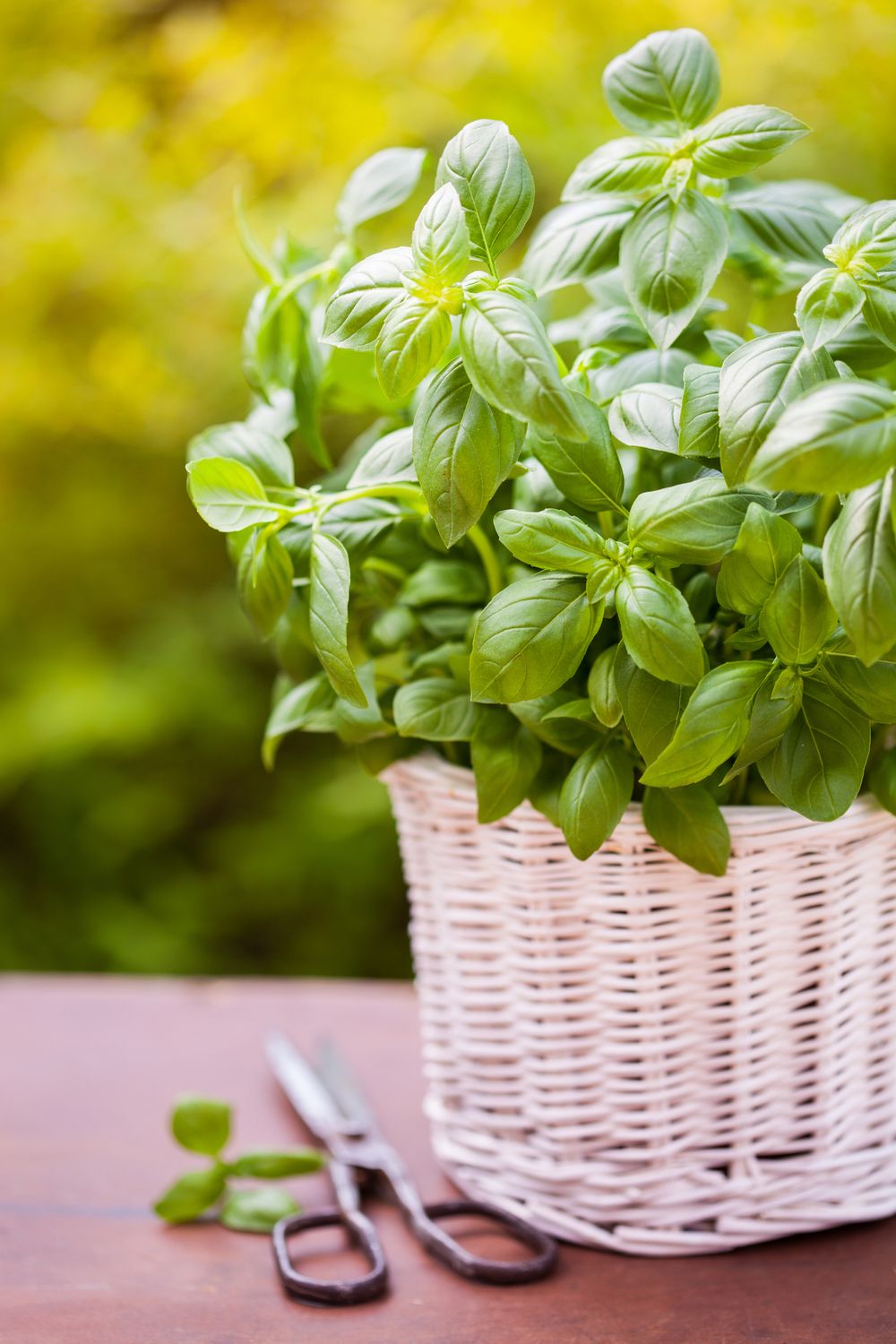

Cultivating the Aromatic Heart of Your Garden: A Comprehensive Guide to Native Basil Plant Care
Native basil plants, often overlooked in favor of their more common Mediterranean cousins, offer a unique and rewarding gardening experience. These indigenous varieties, adapted to local climates and ecosystems, bring distinct flavors, fragrances, and ecological benefits to your garden. From the subtly sweet and peppery notes of Ocimum americanum to the robust, clove-like aroma of certain African basils, understanding their specific needs is key to unlocking their full potential. This comprehensive guide will delve into the world of native basil, providing you with the knowledge and practical advice to cultivate these aromatic treasures successfully.
Why Choose Native Basil?
Before we embark on the journey of care, let’s appreciate the compelling reasons to incorporate native basil into your garden:
- Ecological Harmony: Native plants are intrinsically linked to their local environment. They provide vital food sources and habitats for indigenous pollinators and beneficial insects, contributing to a more balanced and resilient ecosystem.
- Adaptability and Resilience: Having evolved in your region, native basils are generally better equipped to handle local soil conditions, rainfall patterns, and pest pressures. This often translates to less fuss and lower maintenance requirements.
- Unique Flavors and Aromas: Native basils offer a diverse palette of tastes and scents that are often distinct from the commonly found sweet basil. Exploring these varieties can open up new culinary horizons and add a unique twist to your dishes.
- Conservation Efforts: By cultivating native basil, you are indirectly supporting the preservation of these often-endangered species and their genetic diversity.
- Reduced Water and Fertilizer Needs: Due to their adaptation, native basils typically require less supplemental watering and fertilization once established, making them a more sustainable choice.
Understanding Your Native Basil:


The term "native basil" is broad, encompassing a variety of species and cultivars that have evolved in different parts of the world. It’s crucial to identify the specific native basil you are growing to tailor your care practices effectively. Some common examples and their general characteristics include:
- Ocimum americanum (American Basil/Hoary Basil): Native to tropical Africa and Asia, this species often exhibits a camphoraceous or peppery aroma with hints of lemon. It’s a vigorous grower and can tolerate slightly cooler temperatures than some other basils.
- Ocimum basilicum (Sweet Basil) – Native Cultivars: While Ocimum basilicum is widely cultivated globally, there may be specific cultivars that have naturalized or been developed from local populations in certain regions, exhibiting regional flavor nuances.
- Ocimum kilimandscharicum (Camphor Basil): Originating from East Africa, this basil is known for its strong camphor scent and is often used for its medicinal properties or as an insect repellent. It can be quite hardy.
- Ocimum gratissimum (African Basil/Clove Basil): This species, native to tropical Africa, boasts a strong, clove-like aroma and flavor. It’s a taller, bushier plant and can be quite drought-tolerant once established.
Essential Elements of Native Basil Care:
Once you’ve identified your native basil, you can focus on providing the optimal conditions for its growth and health.
1. Sunlight: The Golden Rule
Most native basil varieties thrive in full sun, meaning at least 6-8 hours of direct sunlight per day. Adequate sunlight is crucial for robust growth, vibrant foliage, and the development of essential oils that contribute to their aromatic qualities and flavor.
- Ideal Location: Choose a sunny spot in your garden or on a balcony that receives unobstructed sunlight throughout the day.
- Signs of Insufficient Light: Leggy, pale growth, fewer leaves, and a weaker aroma are indicators that your basil is not receiving enough light.
2. Soil: Drainage is Paramount
Native basils, like most herbs, are susceptible to root rot if their roots sit in waterlogged soil. Therefore, well-draining soil is essential.
- Ideal Soil Mix: A light, sandy loam is generally preferred. You can amend heavier clay soils with organic matter like compost or well-rotted manure to improve drainage and fertility. For container gardening, a good quality potting mix that drains well is recommended.
- pH Level: Most basils prefer a slightly acidic to neutral soil pH, typically between 6.0 and 7.0.
- Avoid Compaction: Ensure the soil is not overly compacted, as this can hinder root development and water penetration.
3. Watering: Finding the Right Balance
The watering needs of native basil can vary depending on the specific species, climate, and soil type. However, the general principle is to keep the soil consistently moist but not soggy.
- Frequency: Water when the top inch of soil feels dry to the touch. This might mean watering daily during hot, dry periods or less frequently in cooler, more humid conditions.
- Watering Technique: Water at the base of the plant, avoiding wetting the leaves. Wet foliage can increase the risk of fungal diseases. Water deeply to encourage strong root growth.
- Container Plants: Basil grown in containers will dry out more quickly than those in the ground and will likely require more frequent watering.
- Signs of Underwatering: Wilting leaves, dry and brittle foliage.
- Signs of Overwatering: Yellowing leaves, wilting even when the soil is moist, and a mushy stem base are indicators of overwatering and potential root rot.
4. Temperature and Humidity: Respecting Their Origins
Native basils are generally warm-season plants and are sensitive to frost. They thrive in temperatures between 65°F and 85°F (18°C and 29°C).
- Frost Protection: If you live in an area with late spring frosts, wait until all danger of frost has passed before planting your basil outdoors. You can also use frost cloths or bring potted plants indoors if a sudden cold snap is predicted.
- Heat Tolerance: Some native varieties, particularly those from drier regions, can tolerate higher temperatures. However, extreme heat can cause them to bolt (flower prematurely) and reduce their leaf production. Providing some afternoon shade during intense heatwaves can be beneficial.
- Humidity: While some native basils can tolerate a range of humidity levels, they generally prefer moderate humidity. Very high humidity combined with poor air circulation can increase the risk of fungal diseases.
5. Fertilizing: Less is Often More
Native basils are not heavy feeders. Over-fertilization can lead to lush, leafy growth at the expense of flavor and aroma, and can also make them more susceptible to pests.
- Initial Soil Preparation: Incorporating compost into the soil before planting provides a good foundation of nutrients.
- Occasional Feeding: If your basil appears to be lacking vigor, you can feed it with a balanced, organic liquid fertilizer diluted to half strength every 4-6 weeks.
- Avoid High Nitrogen Fertilizers: These can promote excessive leaf growth without developing rich flavor.
6. Pruning and Harvesting: Encouraging Bushy Growth and Flavor
Regular pruning and harvesting are crucial for maintaining a healthy, productive, and bushy native basil plant.
- Pinching Off Tops: Once the plant has at least three sets of leaves, begin pinching off the top set of leaves just above a leaf node. This encourages the plant to branch out, resulting in a bushier plant with more leaves.
- Harvesting Leaves: Harvest leaves as needed by snipping them off at the stem. Avoid pulling or tearing leaves, as this can damage the plant.
- Deadheading: If you notice your basil starting to flower (bolt), pinch off the flower stalks immediately. Allowing the plant to flower will signal the end of its leaf production cycle. Removing flowers redirects the plant’s energy back into leaf growth.
- Timing of Harvest: The best time to harvest basil is in the morning after the dew has dried, as this is when the essential oil content is typically at its peak.
7. Pest and Disease Management: Vigilance and Prevention
While native basils are generally more resilient, they can still be susceptible to common garden pests and diseases.
- Common Pests: Aphids, spider mites, and whiteflies can sometimes infest basil plants. Regularly inspect your plants for any signs of these pests.
- Natural Remedies: A strong spray of water can dislodge aphids. For more persistent infestations, use an insecticidal soap or neem oil solution.
- Common Diseases: Fungal diseases like downy mildew and powdery mildew can occur, especially in humid conditions with poor air circulation.
- Prevention: Ensure good air circulation by spacing plants appropriately. Water at the base of the plant and avoid overhead watering. Remove and destroy any affected leaves or plants promptly.
- Companion Planting: Planting basil alongside other vegetables like tomatoes and peppers can help deter some pests.
8. Propagation: Spreading the Aromatic Joy
Native basil can be easily propagated from seeds or cuttings.
- From Seeds: Sow seeds indoors 4-6 weeks before the last frost or directly outdoors after the danger of frost has passed. Basil seeds require warmth and light to germinate.
- From Cuttings: Take cuttings from healthy, non-flowering stems. Remove the lower leaves and place the cuttings in a glass of water in a bright location. Roots should appear within a few weeks, after which they can be planted in soil.
Culinary Uses of Native Basil:
The true reward of growing native basil lies in its culinary applications. Experimenting with the unique flavors of your native varieties can elevate your cooking. Here are some general ideas, keeping in mind that specific flavor profiles will vary:
- Fresh Salads: Chop fresh leaves and add them to green salads, tomato and mozzarella salads, or fruit salads for a surprising aromatic lift.
- Pestos: While classic pesto uses sweet basil, try incorporating your native basil for a new twist. American basil with its peppery notes or African basil with its clove-like undertones can create intriguing pesto variations.
- Sauces and Soups: Stir chopped basil into pasta sauces, tomato soups, or vegetable broths during the last few minutes of cooking to preserve its fresh flavor.
- Marinades: Use basil leaves in marinades for poultry, fish, or vegetables.
- Garnish: A few fresh basil leaves can add a beautiful aroma and visual appeal to any dish.
- Infused Oils and Vinegars: Steep basil leaves in olive oil or vinegar to create flavorful infusions for dressings and cooking.
- Teas and Beverages: Certain native basils, like camphor basil, can be used to make refreshing and aromatic teas.
Native Basil Recipe Ideas:
Here are a few recipe ideas that highlight the potential of native basil. Remember to adjust seasonings based on the specific flavor profile of your chosen native variety.
1. "Wild" Pesto with Native Basil
This recipe is a guideline; feel free to adapt it to your specific native basil’s flavor.
Ingredients:
- 2 cups packed fresh native basil leaves (stems removed)
- 1/2 cup toasted nuts (pine nuts, walnuts, or almonds)
- 1/4 cup grated Parmesan cheese (or nutritional yeast for a vegan option)
- 2-3 cloves garlic, minced
- 1/2 cup extra virgin olive oil (or more, to reach desired consistency)
- Juice of 1/2 lemon
- Salt and freshly ground black pepper to taste
Instructions:
- In a food processor, combine the basil leaves, toasted nuts, Parmesan cheese, and garlic. Pulse until coarsely chopped.
- With the food processor running, slowly drizzle in the olive oil until the pesto reaches your desired consistency. You may need more or less oil.
- Stir in the lemon juice.
- Season with salt and freshly ground black pepper to taste.
- Serve immediately with pasta, as a spread on bread, or with grilled vegetables. Store any leftover pesto in an airtight container in the refrigerator for up to a week, or freeze for longer storage.
2. Spiced African Basil & Lentil Soup
This soup celebrates the robust flavor of African Basil.
Ingredients:
- 1 tablespoon olive oil
- 1 large onion, chopped
- 2 carrots, chopped
- 2 celery stalks, chopped
- 2 cloves garlic, minced
- 1 teaspoon ground cumin
- 1/2 teaspoon ground coriander
- 1/4 teaspoon turmeric powder
- 1 cup brown or green lentils, rinsed
- 6 cups vegetable broth
- 1 cup chopped fresh African basil leaves
- Salt and freshly ground black pepper to taste
- Optional: A dollop of plain yogurt or coconut cream for serving
Instructions:
- Heat olive oil in a large pot or Dutch oven over medium heat. Add the chopped onion, carrots, and celery. Cook until softened, about 8-10 minutes.
- Add the minced garlic, cumin, coriander, and turmeric. Cook for another minute until fragrant.
- Stir in the rinsed lentils and vegetable broth. Bring to a boil, then reduce heat, cover, and simmer for 25-30 minutes, or until the lentils are tender.
- Stir in the chopped African basil leaves. Cook for another 2 minutes to allow the flavors to meld.
- Season generously with salt and freshly ground black pepper.
- Ladle the soup into bowls and serve hot, with an optional dollop of yogurt or coconut cream.
3. Quick American Basil & Tomato Bruschetta
A simple yet flavorful appetizer showcasing American Basil’s peppery zest.
Ingredients:
- 1 baguette, sliced diagonally into 1/2-inch thick pieces
- 2 tablespoons olive oil, plus more for drizzling
- 1 clove garlic, halved
- 2 cups ripe tomatoes, diced
- 1/2 cup chopped fresh American basil leaves
- 1 tablespoon balsamic glaze (optional)
- Salt and freshly ground black pepper to taste
Instructions:
- Preheat your broiler or grill. Arrange the baguette slices on a baking sheet. Brush both sides lightly with olive oil.
- Broil or grill for 1-2 minutes per side, until golden brown and toasted.
- Rub one side of each toasted baguette slice with the cut side of the garlic clove.
- In a medium bowl, gently combine the diced tomatoes, chopped American basil, 2 tablespoons of olive oil, salt, and pepper.
- Spoon the tomato and basil mixture onto the toasted baguette slices.
- Drizzle with a little extra olive oil and balsamic glaze (if using).
- Serve immediately as a refreshing appetizer.
By understanding and catering to the specific needs of your native basil plants, you can cultivate a garden that is not only beautiful and aromatic but also ecologically beneficial and a source of unique culinary inspiration. Embrace the diversity of native basils and discover the rich flavors and fragrances they bring to your table and your life. Happy gardening!


