

Absolutely! Here’s an article about native lemongrass plant care, aiming for around 1200 words, along with a recipe listing.
Thriving with Nature’s Zest: A Comprehensive Guide to Native Lemongrass Plant Care
Lemongrass, with its intoxicating citrusy aroma and vibrant green stalks, is more than just a culinary delight; it’s a resilient and rewarding plant to cultivate, especially when we focus on its native varieties. Native lemongrass, often belonging to species like Cymbopogon citratus or Cymbopogon flexuosus, offers a direct connection to the earth, often adapted to local conditions and requiring less fuss than its exotic counterparts. This guide delves deep into the art and science of caring for these aromatic grasses, empowering you to cultivate a flourishing patch of natural zest in your garden or even on your balcony.
Understanding Your Native Lemongrass
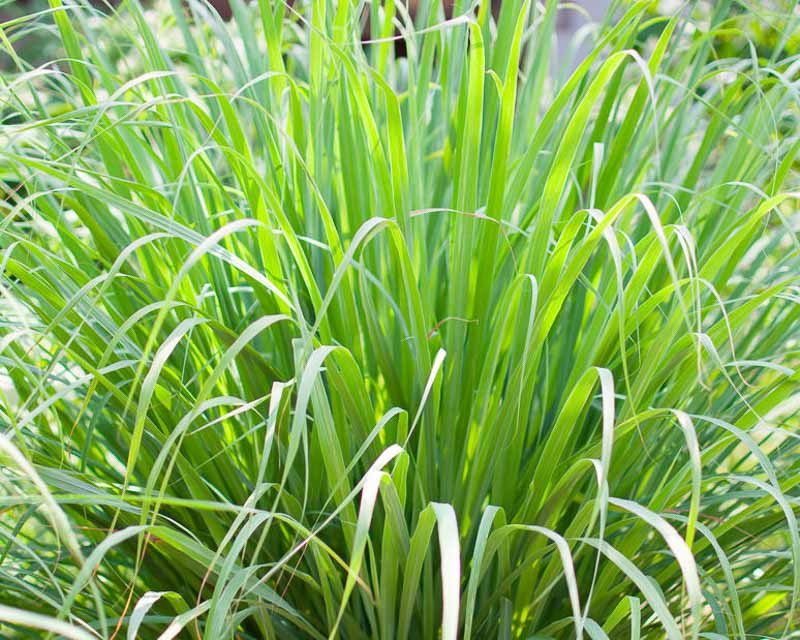

Before we dive into care, it’s crucial to appreciate what makes native lemongrass special. Unlike some ornamental grasses, true lemongrass is prized for its aromatic oils, primarily found in its leaves and the bulbous base. These oils are the source of its characteristic lemon scent and flavor, making it a staple in cuisines worldwide, particularly in Southeast Asia. Native varieties often exhibit greater resilience to local pests and diseases, and their growth habits can be better suited to your specific climate.
Key Characteristics:
- Aromatic Leaves: The defining feature, releasing a strong lemon scent when bruised or cut.
- Clumping Growth Habit: Lemongrass grows in dense clumps, expanding outwards over time.
- Tall, Slender Stalks: The edible and usable part of the plant.
- Rhizomatous Root System: Anchors the plant and allows for vegetative propagation.

The Foundation of Success: Choosing the Right Location and Soil
Just like any plant, lemongrass thrives when its fundamental needs are met. Location and soil are paramount to establishing a healthy and productive plant.
Sunlight: The Golden Rule
Lemongrass is a sun-worshipper. It requires at least 6-8 hours of direct sunlight per day to flourish. In regions with intense summer heat, a little afternoon shade can be beneficial to prevent scorching, but prioritize a location that receives ample morning sun. Insufficient sunlight will result in leggy, weak growth and a diminished aromatic quality.
Soil: Well-Drained is Key
This is arguably the most critical factor. Lemongrass detests soggy roots. It thrives in well-draining, loamy soil. If you have heavy clay soil, you’ll need to amend it to improve drainage. This can be done by incorporating organic matter such as compost, well-rotted manure, or peat moss. Sandy soils, on the other hand, benefit from the addition of organic matter to improve water retention and nutrient content.
Ideal Soil pH: Lemongrass generally prefers a slightly acidic to neutral pH, typically between 6.0 and 7.0. A simple soil testing kit can help you determine your soil’s pH, and amendments like lime (to raise pH) or sulfur (to lower pH) can be used if necessary.
Container Gardening: If you’re growing lemongrass in pots, ensure the container has ample drainage holes. Use a high-quality potting mix specifically formulated for containers, and consider adding perlite or coarse sand to further enhance drainage.
Planting and Propagation: Starting Your Lemongrass Journey
Whether you’re starting from seed, slips, or divisions, planting lemongrass is a straightforward process.
From Seed: Starting from seed can be a bit more challenging and time-consuming, as germination rates can be variable, and it may take longer to establish a robust plant. Sow seeds indoors about 6-8 weeks before the last frost, or directly outdoors after all danger of frost has passed. Keep the soil consistently moist and warm.
From Slips (Store-Bought Stalks): This is a popular and easy method. Purchase fresh lemongrass stalks from your local grocery store. Cut off the top inch or two of the stalk, leaving the bulbous base intact. Place the base in a glass of water, ensuring the bottom is submerged. Position it in a sunny spot and change the water every few days. You should see roots forming within a couple of weeks. Once the roots are a few inches long, you can transplant them into well-draining soil.
From Divisions: This is the most common and effective method for establishing a thriving patch of lemongrass. Mature lemongrass plants form dense clumps and can be divided every few years.
- Timing: The best time to divide lemongrass is in the spring, as new growth emerges.
- Excavation: Carefully dig up the entire clump using a spade or garden fork.
- Separation: Gently pull the clump apart into smaller sections. Each section should have at least one or two healthy shoots and a good root system. You might need to use a sharp spade or knife to help separate stubborn sections.
- Replanting: Replant the divisions immediately in their new locations, ensuring they are planted at the same depth as they were previously. Water them thoroughly.
Planting Depth and Spacing: When planting divisions or slips, ensure the base of the plant is at soil level. Space plants about 18-24 inches apart to allow for their mature size and clump formation.
Watering: Finding the Right Balance
Lemongrass is relatively drought-tolerant once established, but it performs best with consistent moisture.
- Establishment Phase: Newly planted lemongrass will require more frequent watering to help it establish its root system. Water deeply whenever the top inch of soil feels dry.
- Mature Plants: Mature plants can tolerate periods of dryness. Water deeply when the soil begins to dry out, rather than frequent shallow watering. Overwatering is a common pitfall, leading to root rot.
- Signs of Thirst: Wilting leaves are a clear indication that your lemongrass needs water.
- Seasonal Adjustments: During hot, dry periods, you’ll need to water more frequently. In cooler, wetter months, reduce watering accordingly.
Feeding Your Lemongrass: Nourishing for Flavor and Growth
Lemongrass is a moderately heavy feeder, especially if you’re harvesting regularly.
- Compost and Organic Matter: The best way to feed lemongrass is by incorporating plenty of compost and well-rotted manure into the soil annually, preferably in the spring. This provides a slow-release of nutrients and improves soil structure.
- Balanced Fertilizer: You can supplement with a balanced, all-purpose fertilizer (e.g., 10-10-10) a couple of times during the growing season, particularly in spring and mid-summer. Follow the package instructions carefully to avoid over-fertilization.
- Signs of Nutrient Deficiency: Pale green leaves, stunted growth, and reduced aroma can indicate a lack of nutrients.
Pruning and Harvesting: The Key to Abundance
Regular pruning and harvesting are essential for both the health of the plant and the yield of aromatic stalks.
- Harvesting: The best time to harvest is when the stalks are thick and have developed a good bulbous base. This is typically when the plant is at least 6-8 months old.
- Method: Use a sharp knife or pruning shears to cut the stalks at the base, just above the soil line. You can also harvest individual outer stalks as needed.
- Frequency: Harvest as needed throughout the growing season. Regular harvesting encourages the plant to produce new growth.
- Pruning: In late fall or early spring, before new growth appears, it’s beneficial to prune the plant.
- Remove Dead or Damaged Stalks: Trim away any brown, dead, or damaged leaves and stalks.
- Renew the Clump: You can also cut back the entire clump by about one-third to one-half to encourage vigorous new growth. This is especially important in colder climates where the plant may die back to the ground.
Overwintering: Protecting Your Lemongrass in Colder Climates
Lemongrass is a tropical to subtropical perennial. In regions with frost and freezing temperatures, it will need protection to survive the winter.
- In-Ground Plants:
- Mulching: In areas with light frosts, heavily mulch the base of the plant with straw, shredded leaves, or wood chips after the first frost. This insulates the roots.
- Container Planting: The easiest way to overwinter lemongrass in colder climates is to grow it in containers. Bring the pots indoors to a bright, sunny location before the first frost. Reduce watering significantly during the winter months, allowing the soil to dry out between waterings.
- Digging and Storing: In very cold climates, you can dig up the entire plant before the first frost, trim back the foliage, and store the roots in a cool, dry place (like a basement) packed in peat moss or sand. Replant in spring after the danger of frost has passed.
Pests and Diseases: Keeping Your Lemongrass Healthy
Native lemongrass varieties are generally quite robust and resistant to pests and diseases. However, occasional issues can arise.
- Pests:
- Aphids: Small, soft-bodied insects that can cluster on new growth. A strong blast of water or insecticidal soap can usually manage them.
- Spider Mites: Tiny arachnids that thrive in dry conditions. They create fine webbing and cause stippling on leaves. Increase humidity and use insecticidal soap or neem oil.
- Mealybugs: White, cottony masses found in leaf axils. Remove with a cotton swab dipped in rubbing alcohol or use insecticidal soap.
- Diseases:
- Root Rot: This is the most common problem, caused by overwatering and poor drainage. Ensure excellent drainage and avoid waterlogged soil.
- Leaf Spot: Fungal diseases can cause spots on the leaves. Improve air circulation and avoid overhead watering. Remove infected leaves.
Prevention is Key: The best defense against pests and diseases is a healthy, well-cared-for plant. Proper watering, good air circulation, and healthy soil will make your lemongrass less susceptible to problems.
Culinary Uses: Bringing the Zest Indoors
The rewards of growing your own lemongrass extend far beyond a beautiful plant. Its fresh, vibrant flavor can elevate your cooking.
- Flavor Base: Use finely chopped stalks in stir-fries, curries, soups, and marinades.
- Aromatic Teas: Steep bruised stalks in hot water for a refreshing and detoxifying tea.
- Infused Oils and Vinegars: Add stalks to oils or vinegars for a citrusy kick.
- Grilled Meats and Seafood: Bruise stalks and use them to infuse flavor during grilling.
Native Lemongrass Recipe Listing: A Taste of Home
Here are a few simple recipes to get you started with your homegrown lemongrass:
-
Simple Lemongrass Tea:
- Ingredients: 2-3 stalks fresh lemongrass, 4 cups water, honey or sugar to taste.
- Instructions: Wash lemongrass stalks thoroughly. Trim off tough ends and bruise the stalks by pounding them gently with the back of a knife or rolling pin. Cut into 2-3 inch pieces. Bring water to a boil, add lemongrass, and simmer for 10-15 minutes. Strain the tea and sweeten to taste.
-
Lemongrass Marinade for Chicken or Fish:
- Ingredients: 2 stalks lemongrass (bottom 4 inches), 2 cloves garlic, 1-inch ginger, 1 tbsp soy sauce, 1 tbsp lime juice, 1 tsp sesame oil, pinch of chili flakes (optional).
- Instructions: Finely mince or process lemongrass, garlic, and ginger. Combine with soy sauce, lime juice, sesame oil, and chili flakes. Marinate chicken or fish for at least 30 minutes before cooking.
-
Thai-Inspired Lemongrass Coconut Soup (Tom Yum Style):
- Ingredients: 2 stalks lemongrass, 1 inch galangal (or ginger), 2-3 kaffir lime leaves, 1 red chili, 4 cups chicken or vegetable broth, 1 cup coconut milk, 1 tbsp lime juice, 1 tbsp fish sauce (or soy sauce for vegetarian), 1/2 lb shrimp or tofu, cilantro for garnish.
- Instructions: Bruise and slice lemongrass stalks. Slice galangal. Bruise kaffir lime leaves. Finely chop chili. In a pot, combine broth, lemongrass, galangal, and kaffir lime leaves. Bring to a simmer and cook for 10 minutes. Add chili and shrimp/tofu, cook until done. Stir in coconut milk, lime juice, and fish sauce. Garnish with cilantro.
-
Lemongrass Infused Sugar Scrub:
- Ingredients: 1 stalk lemongrass, 1 cup granulated sugar, 1/4 cup coconut oil (melted), 5 drops lemon essential oil (optional).
- Instructions: Finely mince the lemongrass. Combine minced lemongrass, sugar, and melted coconut oil in a bowl. Add essential oil if desired. Mix well. Store in an airtight container. Use as a body scrub.
Conclusion: Embracing the Natural Zest
Cultivating native lemongrass is a journey that rewards you with fragrant beauty, culinary versatility, and a deeper connection to the natural world. By understanding its simple needs for sun, well-drained soil, and consistent care, you can ensure a thriving patch of this zesty grass. From its aromatic leaves that perfume your garden to its vibrant flavor that enriches your meals, native lemongrass is a truly exceptional plant, offering a touch of natural brilliance to your life. So, embrace the zest, get your hands in the soil, and enjoy the bountiful gifts of your homegrown lemongrass.


