
The Golden Gem of the Orchard: Unveiling the Versatile Uses of Native Peach Fruit
The peach, with its velvety skin, blush of sunset colors, and intoxicating aroma, is more than just a summer delight; it’s a testament to nature’s bounty and a fruit steeped in history and culinary versatility. While cultivated varieties grace supermarket shelves worldwide, the story of the peach is deeply rooted in its native origins, where its wild ancestors laid the groundwork for the succulent fruit we cherish today. Exploring the uses of native peach fruit unveils a world of flavor, tradition, and surprising applications that extend far beyond the simple act of biting into its juicy flesh.
A Journey from the East: The Origins of the Peach
The journey of the peach begins in China, where it was first domesticated thousands of years ago. From these ancient orchards, the peach spread along the Silk Road, eventually reaching Persia, the Roman Empire, and finally, Europe and the Americas. While the exact genetic lineage of the "native" peach can be complex due to extensive cultivation and hybridization, understanding its origins provides a valuable perspective on the fundamental qualities and inherent uses of this remarkable fruit. The native peach, in its ancestral form, was likely smaller, perhaps tarter, and with a more pronounced fuzzy texture than its modern descendants. However, these early varieties possessed the same fundamental characteristics: a sweet, aromatic flesh, a large central pit, and a refreshing, hydrating quality. It is this inherent essence that continues to define the peach and its myriad uses.
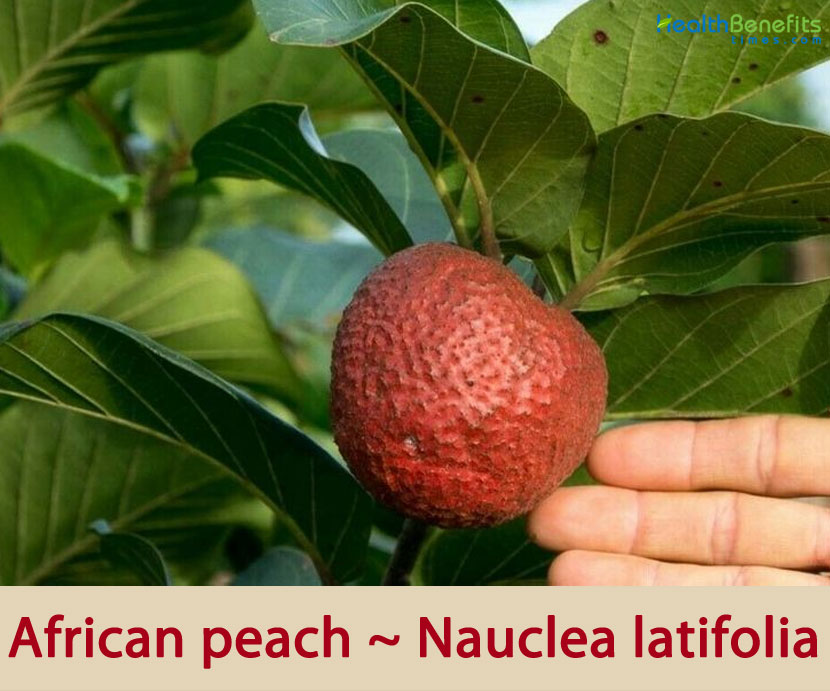
Beyond the Bowl: Culinary Delights of Native Peach Fruit
The primary and most celebrated use of native peach fruit is, undoubtedly, its consumption in its fresh, raw state. The simple act of peeling a ripe peach and savoring its sweet, slightly tart, and incredibly juicy flesh is a quintessential summer experience. This is where the fruit’s natural sugars and vibrant aroma are at their peak, offering an unadulterated taste of sunshine.
However, the versatility of the peach truly shines when we delve into its culinary applications:
-
Preserves and Jams: The high pectin content in peaches makes them ideal for preserving. Native peach fruit, when cooked down with sugar, transforms into luscious jams, jellies, and preserves. These are not only delightful on toast or as a filling for pastries but also serve as a way to capture the fleeting flavors of summer for enjoyment throughout the year. The natural sweetness of the peach reduces the need for excessive added sugar, allowing its authentic flavor to dominate.
-
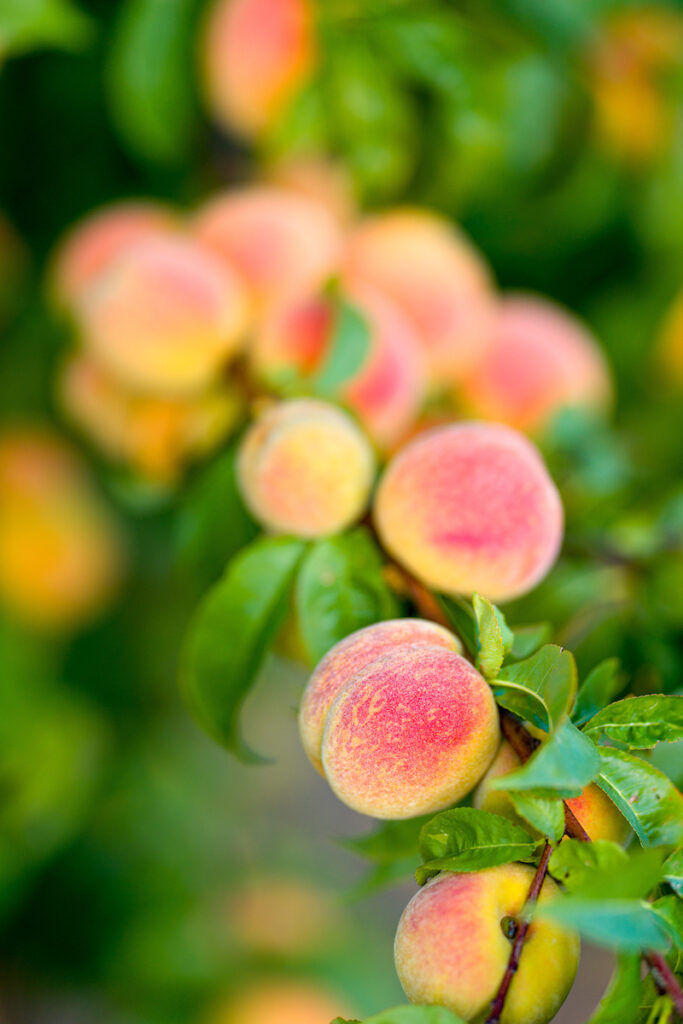
Desserts Extravaganza: Peaches are a cornerstone of countless desserts. Their ability to soften and caramelize when baked or grilled makes them perfect for pies, crumbles, cobblers, and tarts. The heat accentuates their sweetness and releases their fragrant juices, creating a harmonious blend of textures and flavors. Peach ice cream, sorbets, and frozen yogurts offer a refreshing and elegant way to enjoy the fruit’s essence during warmer months. Poached peaches, gently simmered in syrup, wine, or fruit juice, are a sophisticated dessert that highlights their delicate texture and flavor.
-
Savory Pairings: The sweet and slightly acidic profile of peaches makes them an unexpected but welcome addition to savory dishes. Their natural sugars can balance the richness of meats like pork and chicken, while their acidity can cut through fatty flavors. Grilled peaches, with their smoky char, are a fantastic accompaniment to grilled meats, salads, and even cheeses. Peach salsa, a vibrant mix of diced peaches, onions, peppers, and cilantro, offers a sweet and spicy counterpoint to grilled fish, chicken, or tacos. They can also be incorporated into chutneys and relishes, adding a fruity dimension to cheese boards and roasted meats.
-
Beverages and Elixirs: The refreshing juice of the peach lends itself beautifully to beverages. Freshly squeezed peach juice is a delightful and healthy drink on its own. It can also be blended into smoothies, combined with other fruits for a refreshing agua fresca, or used as a base for cocktails and mocktails. Peach iced tea is a classic summer beverage, and peach wine or liqueur offers a more sophisticated way to enjoy the fruit’s character.
-
Baking and Confections: Beyond pies and crumbles, peaches can be incorporated into cakes, muffins, and quick breads, adding moisture and a burst of fruity flavor. Candied peach slices offer a sweet treat, and peach leathers, made by dehydrating pureed peaches, are a chewy and portable snack.
Beyond the Kitchen: Other Uses of Native Peach Fruit
While the culinary world is the most prominent stage for the peach, its uses can extend beyond the realm of food and drink:
-
Traditional Medicine and Folk Remedies: Throughout history, various cultures have attributed medicinal properties to different parts of the peach tree, including the fruit, leaves, and pits. While scientific evidence for many of these traditional uses may be limited, they highlight the historical significance and perceived value of the peach in folk medicine. For example, some traditions have used peach leaves or fruit extracts for their purported soothing or cleansing properties.
-
Cosmetics and Skincare: The natural oils and antioxidants found in peaches have led to their inclusion in some cosmetic and skincare products. Peach extract can be used for its moisturizing and antioxidant properties, contributing to the formulation of lotions, creams, and facial masks. The gentle exfoliation provided by the fine fuzz on the skin can also be leveraged in certain skincare treatments.
-
Animal Feed: In some agricultural settings, windfall peaches or excess fruit that is not suitable for human consumption may be used as animal feed, particularly for livestock. The sweetness and nutritional content can be beneficial for certain animals.
Cultivating and Harvesting the Golden Orb
The success of utilizing native peach fruit relies heavily on proper cultivation and harvesting techniques. Peaches thrive in temperate climates with well-drained soil and ample sunlight. Understanding the specific needs of native varieties, which may differ slightly from cultivated ones, is crucial. Harvesting at the peak of ripeness is paramount to achieving the best flavor and texture. A ripe peach will yield slightly to gentle pressure, its aroma will be pronounced, and its color will be rich and vibrant. Overripe peaches can become mushy, while underripe ones will be hard and tart.
A Legacy of Flavor and Fragrance
The native peach fruit is a true treasure, a symbol of summer abundance and a testament to the enduring power of nature’s gifts. Its journey from ancient China to the orchards of the world is a story of discovery and adaptation. From its raw, unadulterated sweetness to its transformative potential in a myriad of culinary creations, the peach continues to captivate our senses and enrich our lives. Whether enjoyed fresh, preserved, baked, or blended, the golden orb of the orchard offers a taste of tradition, a burst of flavor, and a reminder of the simple yet profound pleasures that nature provides. As we continue to explore and appreciate the diverse uses of native peach fruit, we honor its rich heritage and ensure its legacy as a beloved and versatile fruit for generations to come.
Recipe Ideas Featuring Native Peach Fruit
Here are some recipe ideas that highlight the deliciousness of native peach fruit:
1. Simple Grilled Peaches with Honey and Thyme
This recipe celebrates the natural sweetness of peaches and enhances it with a touch of smoky char and aromatic herbs.
Yields: 4 servings
Prep time: 5 minutes
Cook time: 8-10 minutes
Ingredients:
- 4 ripe native peaches, halved and pitted
- 2 tablespoons honey
- 1 tablespoon olive oil or melted butter
- 1 teaspoon fresh thyme leaves
- Pinch of salt
- Optional: Vanilla ice cream or Greek yogurt for serving
Instructions:
- Preheat your grill to medium-high heat.
- In a small bowl, whisk together the honey, olive oil (or butter), thyme leaves, and a pinch of salt.
- Brush the cut sides of the peach halves with the honey mixture.
- Place the peach halves, cut-side down, on the preheated grill.
- Grill for 4-5 minutes per side, or until tender and slightly caramelized with grill marks.
- Serve warm, either on their own or with a scoop of vanilla ice cream or Greek yogurt.
2. Rustic Peach Crumble
A comforting and easy dessert that showcases the natural sweetness and slight tartness of peaches.
Yields: 6-8 servings
Prep time: 15 minutes
Cook time: 35-45 minutes
Ingredients:
- For the Filling:
- 6-8 ripe native peaches, peeled, pitted, and sliced (about 6 cups)
- 1/4 cup granulated sugar (adjust to sweetness of peaches)
- 2 tablespoons all-purpose flour or cornstarch
- 1 teaspoon lemon juice
- 1/2 teaspoon ground cinnamon
- Pinch of ground nutmeg
- For the Crumble Topping:
- 1 cup all-purpose flour
- 1/2 cup rolled oats
- 1/2 cup packed light brown sugar
- 1/4 teaspoon salt
- 1/2 cup (1 stick) cold unsalted butter, cut into cubes
Instructions:
- Preheat your oven to 375°F (190°C). Lightly grease a 9-inch pie plate or an 8×8 inch baking dish.
- Prepare the Filling: In a large bowl, gently toss the sliced peaches with granulated sugar, flour (or cornstarch), lemon juice, cinnamon, and nutmeg until evenly coated. Pour the filling into the prepared baking dish.
- Prepare the Crumble Topping: In a medium bowl, combine the flour, rolled oats, brown sugar, and salt. Add the cold butter cubes. Using your fingertips or a pastry blender, cut the butter into the dry ingredients until the mixture resembles coarse crumbs.
- Evenly sprinkle the crumble topping over the peach filling.
- Bake for 35-45 minutes, or until the topping is golden brown and the filling is bubbly and tender.
- Let the crumble cool slightly before serving. It’s delicious served warm with vanilla ice cream or whipped cream.
3. Peach and Prosciutto Salad with Balsamic Glaze
A sophisticated salad that balances sweet, salty, and tangy flavors.
Yields: 4 servings
Prep time: 15 minutes
Ingredients:
- 2 ripe native peaches, thinly sliced
- 4 ounces thinly sliced prosciutto
- 4 cups mixed greens (arugula, spinach, or a spring mix)
- 1/4 cup crumbled goat cheese or fresh mozzarella
- 2 tablespoons toasted slivered almonds or pecans
- For the Balsamic Glaze:
- 1/2 cup balsamic vinegar
- 1 tablespoon honey or maple syrup
Instructions:
- Make the Balsamic Glaze: In a small saucepan, combine the balsamic vinegar and honey (or maple syrup). Bring to a simmer over medium heat and cook, stirring occasionally, until the glaze has thickened enough to coat the back of a spoon (about 5-10 minutes). Remove from heat and let cool slightly.
- Assemble the Salad: Arrange the mixed greens on a platter or individual plates.
- Drape the prosciutto slices over the greens.
- Arrange the peach slices artistically over the prosciutto and greens.
- Crumble the goat cheese (or mozzarella) over the salad.
- Sprinkle with toasted nuts.
- Drizzle generously with the balsamic glaze just before serving.
These recipes are just a starting point, and the beauty of native peach fruit lies in its adaptability. Feel free to experiment and discover your own favorite ways to enjoy this golden gem!


