

Absolutely! Here’s a comprehensive article on Pigface plant care, aiming for around 1,200 words, followed by a recipe section.
The Unsung Hero of the Coastal Garden: A Comprehensive Guide to Pigface Plant Care
In the rugged beauty of coastal landscapes, where salty winds whip and the sun beats down relentlessly, a resilient and visually striking plant thrives: the Pigface. With its fleshy, succulent leaves, vibrant daisy-like flowers, and remarkable tolerance for harsh conditions, the Pigface (scientifically known as Carpobrotus species, with Carpobrotus edulis being the most common) is a true survivor and a valuable addition to any garden seeking a low-maintenance, drought-tolerant, and aesthetically pleasing groundcover.


Often overlooked in favour of more conventional garden flora, the Pigface plant boasts a fascinating history and a surprising array of benefits, extending beyond its ornamental appeal. Originating from the coasts of South Africa, these hardy succulents have naturalized in many parts of the world, particularly in Australia and New Zealand, where they have become iconic symbols of coastal resilience. Their ability to spread and form dense mats makes them excellent for erosion control, while their unique appearance adds a touch of the wild and exotic to any setting.
This guide will delve deep into the world of Pigface plant care, providing you with all the knowledge you need to cultivate these fascinating succulents successfully. From understanding their native habitat to mastering their specific needs for sunlight, soil, water, and propagation, we’ll equip you to enjoy the beauty and benefits of Pigface plants in your own garden.
Understanding the Pigface: A Succulent’s Secret Life
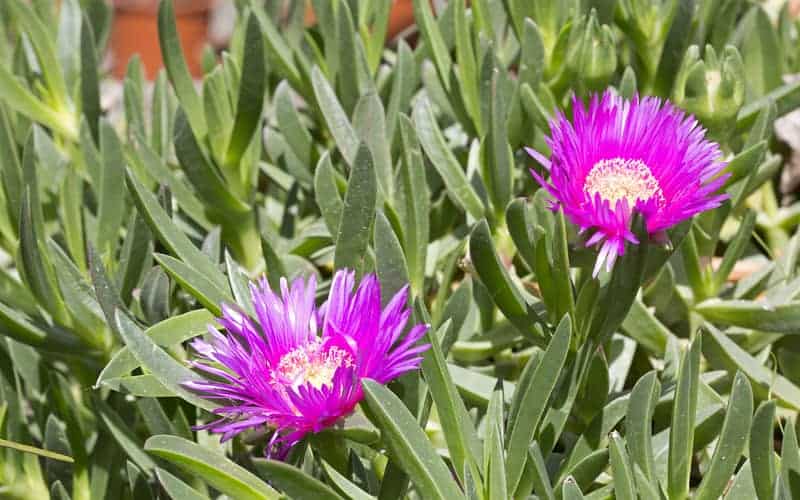
Before diving into care, it’s essential to appreciate the Pigface’s inherent characteristics. The name "Pigface" likely originates from the appearance of its fruit, which, when ripe, splits open to reveal a fleshy interior resembling a pig’s snout. The leaves are thick, fleshy, and triangular, often arranged in a triadic spiral, giving them a distinctive appearance. They are typically green but can develop reddish or purplish hues when exposed to intense sunlight or stress.
The flowers are the true stars of the show, appearing in a riot of colours ranging from bright pink, magenta, yellow, and white. These daisy-like blooms are typically 2-4 inches in diameter and emerge from the centre of the leafy rosettes, often in late spring and summer, attracting pollinators like bees and butterflies.
Pigface plants are xerophytic succulents, meaning they are adapted to survive in arid or semi-arid environments with minimal water. This adaptation is evident in their thick, water-storing leaves and their shallow, spreading root systems, which efficiently capture any available moisture.
The Ideal Environment: Recreating the Pigface’s Native Home
To ensure your Pigface plants flourish, mimicking their natural habitat is key.

-
Sunlight: Pigface plants are sun-worshippers. They thrive in full, direct sunlight for at least six hours a day. In cooler climates, this is rarely an issue. However, in very hot regions, while they tolerate heat, some afternoon shade might prevent their leaves from scorching excessively, especially if they are not yet well-established. Observe your plants; if the leaves develop a bleached or burnt appearance, consider a location with slightly less intense afternoon sun.
-
Soil: This is arguably the most critical factor for Pigface success. These plants absolutely demand excellent drainage. They detest soggy roots, which will lead to rot and eventual death.
- Ideal Mix: A sandy, well-draining soil is paramount. If you have heavy clay soil, you will need to amend it significantly. A good starting point is a mix of coarse sand, gravel, and compost.
- Container Gardening: For potted Pigface plants, use a cactus or succulent potting mix. You can also create your own by combining potting soil with perlite or pumice (roughly 2:1 ratio) to enhance drainage.
- Coastal Gardens: If you’re planting in a coastal garden, the sandy soil is often a natural advantage. Ensure there are no underlying layers of impermeable clay that could trap water.
-
Temperature: Pigface plants are remarkably tolerant of a wide range of temperatures, from hot, dry conditions to light frosts. They are generally hardy in USDA zones 8-11. In regions with very harsh winters, they may need to be brought indoors or protected from prolonged freezing temperatures. However, once established, many varieties can withstand mild frosts.
Watering: The Art of Under-Watering
The golden rule of Pigface care is: less is more when it comes to watering. Overwatering is the quickest way to kill these plants.
- Established Plants: Once your Pigface plants are established and have spread, they are incredibly drought-tolerant. During hot, dry spells, you might water them once every few weeks or even once a month, depending on the heat and humidity. The soil should be allowed to dry out completely between waterings.
- Newly Planted: Newly planted cuttings or seedlings will require more frequent watering initially to help them establish their root systems. Water them when the top inch or two of soil feels dry. As they grow and spread, you can gradually reduce the watering frequency.
- Signs of Underwatering: While resilient, extreme drought can cause the leaves to shrivel and become soft. If this happens, a good watering will usually revive them.
- Signs of Overwatering: Overwatering is indicated by mushy, discoloured leaves, often with a yellowish or brownish tint, and a general wilting or rotting appearance.
Feeding: Minimal Intervention Required
Pigface plants are not heavy feeders. They are adapted to nutrient-poor environments and can thrive on minimal fertilization.
- When to Fertilize: If you choose to fertilize, do so sparingly, perhaps once in the spring during their active growing season.
- Type of Fertilizer: Use a balanced, water-soluble fertilizer diluted to half strength, or a specialized succulent fertilizer. Over-fertilizing can lead to weak, leggy growth and a reduced flowering display.
Pruning and Maintenance: Keeping Things Tidy
Pigface plants are generally low-maintenance, but some occasional pruning can be beneficial.
- Controlling Spread: These plants can spread quite aggressively. If you want to keep them contained or prevent them from overrunning other plants, prune them back as needed. You can simply trim away any unwanted growth.
- Removing Dead Material: Remove any dead or damaged leaves or stems to maintain the plant’s health and appearance.
- Encouraging Bushiness: Pinching back the tips of new growth can encourage a bushier, more compact form.
Propagation: Sharing the Pigface Love
One of the joys of Pigface plants is how easily they propagate, allowing you to expand your collection or share with friends.
-
Stem Cuttings: This is the most common and successful method.
- Take cuttings from healthy, mature plants. Cut sections of stem that are at least 3-4 inches long.
- Allow the cuttings to "callus over" for a few days in a dry, shaded spot. This prevents rot when planted.
- Dip the callused end in rooting hormone (optional but recommended).
- Plant the cuttings in a well-draining potting mix or sandy soil.
- Water lightly and place in a bright location, out of direct, intense sun.
- Roots typically form within a few weeks.
-
Seed Propagation: While possible, growing Pigface from seed is a slower process and can be more challenging. Seeds should be sown in a well-draining mix and kept lightly moist and warm.
Pests and Diseases: Vigilance is Key
Due to their hardy nature and succulent leaves, Pigface plants are generally resistant to many common pests and diseases. However, some issues can arise:
- Root Rot: As mentioned repeatedly, this is the primary threat, caused by overwatering and poor drainage. Ensure your soil drains exceptionally well.
- Mealybugs and Aphids: Occasionally, these sap-sucking insects can infest Pigface plants. They appear as white, cottony masses or small green insects. You can often treat them by wiping them off with a cotton swab dipped in rubbing alcohol or by using insecticidal soap.
- Slugs and Snails: Young, tender growth can sometimes be a target for slugs and snails. Use slug bait or other deterrents if you notice damage.
Pigface in the Garden: More Than Just a Pretty Face
Beyond their ornamental value, Pigface plants offer several practical benefits:
- Erosion Control: Their dense, spreading habit makes them excellent for stabilizing sandy soils on slopes and coastal areas, preventing erosion from wind and rain.
- Groundcover: They create a vibrant, low-maintenance groundcover that suppresses weeds and adds colour and texture to the landscape.
- Drought Tolerance: Their ability to thrive with minimal water makes them ideal for water-wise gardens and regions experiencing drought.
- Attracting Pollinators: Their bright flowers are a magnet for bees and other beneficial insects, contributing to garden biodiversity.
Varieties to Explore
While Carpobrotus edulis is the most widespread, several other Carpobrotus species and cultivars offer unique characteristics:
- Carpobrotus chilensis (Chilean Pigface): Often has smaller leaves and more intensely pink or magenta flowers. It’s also a vigorous spreader.
- Carpobrotus glaucescens (Angular Pigface): Native to Australia, it has more angular leaves and pink to purplish flowers.
- Cultivars: Various cultivars exist with different flower colours and growth habits, offering a wider palette for gardeners.
Conclusion: Embracing the Resilience of the Pigface
The Pigface plant is a testament to nature’s ingenuity and resilience. Its ability to thrive in challenging environments, coupled with its striking beauty and practical benefits, makes it an invaluable asset to any garden, especially those with a coastal influence or a focus on water-wise landscaping. By understanding and implementing the simple care requirements outlined in this guide – particularly the emphasis on excellent drainage and sparing watering – you can unlock the full potential of these fascinating succulents. So, embrace the Pigface, and let this unsung hero of the coastal garden bring a touch of wild beauty and enduring life to your outdoor space.
Pigface Plant: Edible Delights and Simple Recipes
Beyond their ornamental appeal, the fruits and young leaves of certain Pigface species, particularly Carpobrotus edulis, are edible and have been traditionally consumed by indigenous peoples. It’s crucial to positively identify the species before consuming any part of the plant, as not all Carpobrotus species are considered palatable or safe for consumption. Always ensure the plants you harvest from are grown in clean environments, free from pesticides and pollution.
Here are a few simple ways to enjoy the edible parts of the Pigface:
1. Pigface Fruit Jam
The ripe fruit of Carpobrotus edulis has a sweet, slightly tart, and tangy flavour, often compared to a mix of fig and strawberry.
Ingredients:
- 2 cups ripe Pigface fruit (harvested when they have split open and are soft)
- 1 cup sugar (adjust to taste depending on fruit sweetness)
- 1/4 cup lemon juice
- 1/4 cup water
Instructions:
- Prepare the Fruit: Gently wash the harvested Pigface fruits. Carefully open them and scoop out the fleshy interior, discarding the seeds. You should have about 2 cups of fruit pulp.
- Cook the Fruit: In a medium saucepan, combine the fruit pulp, sugar, lemon juice, and water.
- Simmer: Bring the mixture to a gentle boil over medium heat, stirring to dissolve the sugar. Once boiling, reduce the heat to low and simmer for 20-30 minutes, stirring occasionally, until the jam has thickened. It should coat the back of a spoon.
- Test for Set: To test if the jam has set, place a small spoonful on a chilled plate. If it wrinkles when pushed, it’s ready.
- Jar and Store: Ladle the hot jam into sterilized jars. Seal tightly and store in the refrigerator. It will last for several weeks.
Serving Suggestions: Enjoy this unique jam on toast, scones, or as a topping for yogurt or ice cream.
2. Fresh Pigface Fruit Salad
The fresh fruit can add a burst of unique flavour and texture to fruit salads.
Ingredients:
- 1 cup ripe Pigface fruit pulp (as prepared for jam)
- 1 cup mixed berries (strawberries, blueberries, raspberries)
- 1/2 cup diced melon (cantaloupe or honeydew)
- 1 tablespoon fresh mint, finely chopped
- A squeeze of lime juice (optional)
Instructions:
- Combine: Gently combine the Pigface fruit pulp with the mixed berries, diced melon, and chopped mint in a bowl.
- Dress: Add a squeeze of lime juice if desired for extra zest.
- Serve: Serve immediately as a refreshing and unusual fruit salad.
3. Pickled Pigface Leaves
Young, tender leaves can be pickled to add a tangy, slightly salty crunch to salads or as a garnish.
Ingredients:
- 1 cup young, tender Pigface leaves (washed and trimmed)
- 1/2 cup white vinegar
- 1/4 cup water
- 1 tablespoon sugar
- 1/2 teaspoon salt
- Optional: Dill sprigs, garlic cloves, peppercorns for flavour
Instructions:
- Prepare Leaves: Wash the young Pigface leaves thoroughly. If they are very large, you can cut them into bite-sized pieces.
- Make Brine: In a small saucepan, combine the white vinegar, water, sugar, and salt. Heat gently, stirring until the sugar and salt are dissolved.
- Pack Jars: Place the Pigface leaves into clean jars. Add any optional flavourings like dill or garlic.
- Pour Brine: Pour the warm brine over the leaves, ensuring they are fully submerged.
- Cool and Refrigerate: Allow the jars to cool to room temperature, then seal and refrigerate. The leaves will be ready to eat after a few days, and the flavour will continue to develop over time.
Note: Always exercise caution and ensure positive identification of the plant species before consuming. If you are unsure, it’s best to err on the side of caution and enjoy the Pigface plant purely for its ornamental beauty.


