
Absolutely! Here’s an article about Yam Daisy plant care, aiming for around 1200 words, followed by a recipe section.
The Yam Daisy: A Resilient and Rewarding Native Treasure for Your Garden
The world of native Australian plants offers a fascinating array of species, each with its unique adaptations and ecological significance. Among these, the Yam Daisy, scientifically known as Tauchira tubulosa (formerly Microseris lanceolata), stands out as a particularly special and rewarding plant for home gardeners. More than just a pretty face, the Yam Daisy is a culturally significant food source for Indigenous Australians, a resilient performer in various conditions, and a delightful addition to any garden seeking to embrace biodiversity and sustainability.


This article will delve deep into the world of Yam Daisy plant care, equipping you with the knowledge to successfully cultivate this remarkable native. We’ll explore its origins, its unique characteristics, and provide comprehensive guidance on everything from propagation and planting to watering, feeding, pest management, and harvesting. We’ll also touch upon its culinary potential, offering a glimpse into the rich history and delicious possibilities of this often-overlooked edible.
Understanding the Yam Daisy: A Native Gem
The Yam Daisy is a perennial herbaceous plant belonging to the Asteraceae family, which also includes sunflowers and daisies. Its common name, "Yam Daisy," refers to its edible tuberous root, which is starchy and nutritious, resembling a yam in both appearance and culinary use. Indigenous Australians have utilized the Yam Daisy as a staple food source for millennia, showcasing its adaptability and resilience across vast and varied landscapes.
Key Characteristics:
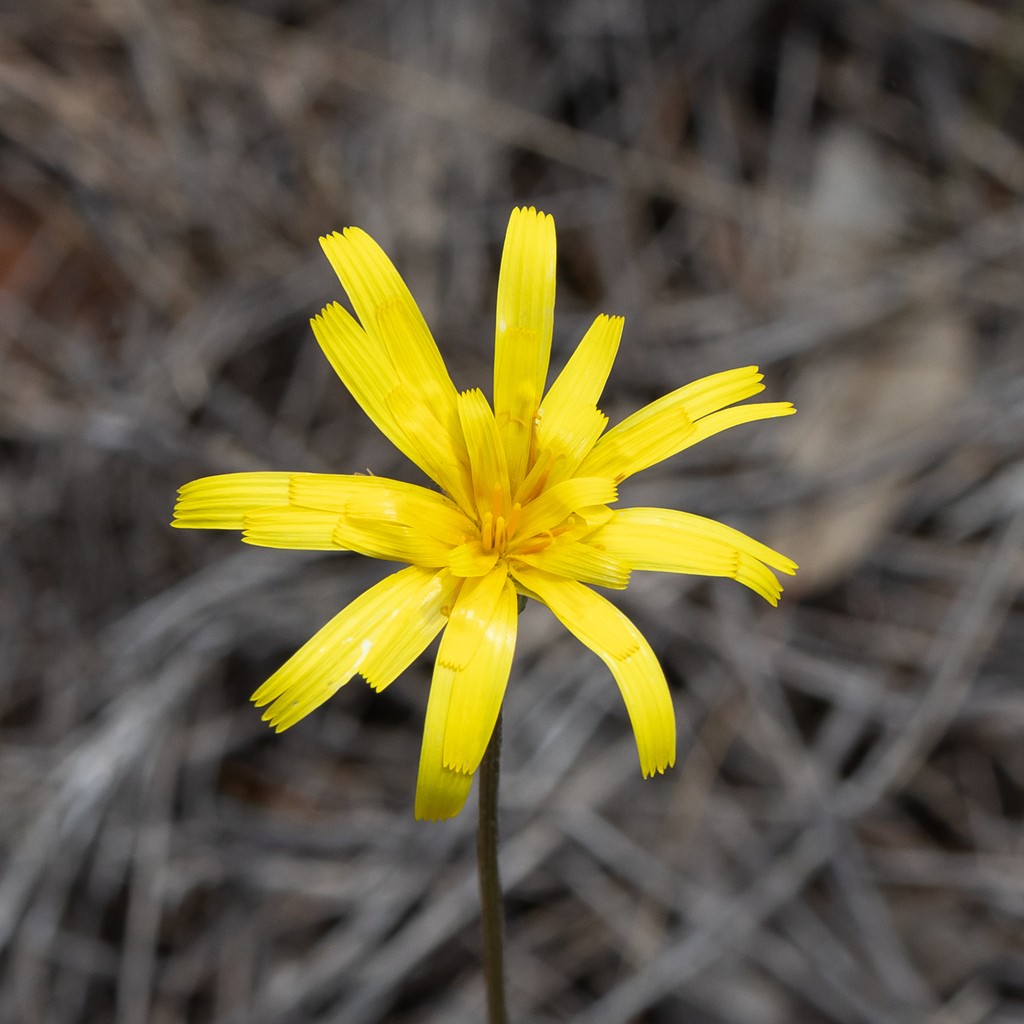
- Appearance: The plant typically grows to a height of 30-60 cm, with attractive, deeply lobed, lance-shaped leaves that can form a basal rosette. Its most striking feature is its bright yellow, daisy-like flower heads, which bloom profusely in spring and summer. The flowers are solitary and borne on long, slender stalks, giving the plant an elegant and airy appearance.
- Tuberous Root: The edible part of the plant is its fleshy, tuberous root, which can grow to be quite substantial. These tubers are a valuable source of carbohydrates and are highly nutritious.
- Adaptability: Yam Daisies are known for their resilience. They can tolerate a range of soil types, from sandy to clay, and are relatively drought-tolerant once established. They thrive in full sun to partial shade.
- Ecological Value: As a native plant, the Yam Daisy plays a vital role in supporting local ecosystems. Its flowers provide nectar for pollinators, and its presence contributes to the biodiversity of the garden.

Cultivating Your Own Yam Daisy: A Comprehensive Guide
Growing Yam Daisies is a rewarding experience that doesn’t demand excessive horticultural expertise. With a little understanding and attention, you can enjoy the beauty and bounty of this native treasure.
1. Propagation: Starting Your Yam Daisy Journey
Yam Daisies can be propagated through two primary methods:
-
From Seed: This is the most common and accessible method for home gardeners.
- Timing: Sow seeds in autumn or early spring when temperatures are moderate.
- Preparation: Use a well-draining seed-raising mix. You can sow directly into pots or trays.
- Sowing: Sow seeds thinly on the surface of the soil and lightly cover them with a fine layer of mix.
- Germination: Seeds typically germinate within 2-4 weeks, depending on temperature and moisture. Keep the soil consistently moist but not waterlogged.
- Transplanting: Once seedlings have developed a few true leaves and are large enough to handle, they can be transplanted into their permanent positions.
-
From Division: Established Yam Daisy plants can be divided to create new plants.
- Timing: The best time for division is in late autumn or early winter, when the plant is dormant.
- Process: Carefully lift the entire plant from the ground. Gently separate the root system into smaller sections, ensuring each section has a healthy root and some shoots.
- Replanting: Replant the divisions immediately into their new locations or into pots to establish. Water thoroughly after replanting.
2. Planting: Giving Your Yam Daisy the Best Start
- Location: Choose a sunny to partially shaded spot in your garden. While Yam Daisies can tolerate some shade, they will flower more profusely in full sun.
- Soil: They are not fussy about soil type but thrive in well-draining conditions. If you have heavy clay soil, amend it with organic matter like compost or well-rotted manure to improve drainage and fertility.
- Spacing: Space plants about 30-45 cm apart to allow for good air circulation and room for the plants to grow.
- Planting Depth: Plant seedlings or divisions at the same depth they were previously growing. Ensure the top of the tuber is covered by about 2-3 cm of soil.
- Watering After Planting: Water thoroughly after planting to settle the soil and encourage root establishment.
3. Watering: Finding the Right Balance
Yam Daisies are remarkably drought-tolerant once established, a testament to their native origins. However, consistent moisture is important, especially during their active growth and flowering periods.
- Establishment Phase: Water regularly during the first few months after planting to help the roots establish.
- Mature Plants: Once established, watering needs will vary depending on your climate and rainfall. During dry spells, provide supplementary watering, especially when the plants are flowering and producing tubers.
- Avoid Overwatering: The most crucial aspect of Yam Daisy watering is to avoid waterlogging. Ensure the soil drains well to prevent root rot.
- Signs of Thirst: Wilting leaves are a clear indicator that your plant needs water.
4. Feeding: Nourishing Your Native
Yam Daisies are not heavy feeders and generally perform well in moderately fertile soils.
- Initial Feeding: Incorporating organic matter into the soil before planting is often sufficient.
- Annual Feeding (Optional): If your soil is poor or you want to encourage more vigorous growth and flowering, you can apply a balanced, slow-release native plant fertilizer in early spring. Avoid fertilizers high in phosphorus, as many Australian native plants are adapted to low-phosphorus soils.
- Compost Top-dressing: A top-dressing of compost around the base of the plant in spring can also provide beneficial nutrients and improve soil structure.
5. Pruning and Maintenance: Keeping it Tidy
Yam Daisies generally require minimal pruning.
- Deadheading: While not essential, you can deadhead spent flowers to encourage further blooming and maintain a tidy appearance.
- Leaf Removal: Remove any yellowing or dead leaves as they appear to prevent potential disease issues.
- Post-Flowering Cutback: After the flowering season has finished, you can cut the plant back to near ground level to encourage new growth in the following season.
6. Pest and Disease Management: A Resilient Plant
Yam Daisies are generally robust and resistant to most common garden pests and diseases, especially when grown in optimal conditions.
- Common Pests: While uncommon, occasional pests like aphids or slugs might appear. These can usually be managed with natural methods such as insecticidal soap or by hand-picking.
- Root Rot: The most significant threat to Yam Daisies is root rot, which is caused by overwatering and poor drainage. Ensuring well-draining soil is the best preventative measure.
- Slugs and Snails: These can sometimes nibble on the leaves, especially when the plants are young. Barriers like copper tape or organic slug baits can be effective.
7. Harvesting: The Delicious Reward
The most exciting part of growing Yam Daisies is the prospect of harvesting their edible tubers.
- When to Harvest: The tubers are typically ready for harvesting in late autumn or winter, after the plant has finished flowering and the foliage begins to die back. Harvesting at this time ensures the tubers have reached their full size and starch content.
- How to Harvest: Carefully dig around the base of the plant with a garden fork or spade, taking care not to damage the tubers. Gently unearth the tubers.
- Storage: Freshly harvested tubers can be stored in a cool, dark, and dry place for several weeks. They can also be dried or frozen for longer storage.
Culinary Uses: A Taste of Tradition
The Yam Daisy tuber is a versatile and nutritious food source. Its flavor is often described as mild and slightly nutty, making it a good substitute for potatoes or yams in many recipes.
- Preparation: Before cooking, the tubers should be washed thoroughly to remove any soil. They can be peeled or cooked with the skin on.
- Cooking Methods:
- Roasting: Roasted Yam Daisy is delicious, bringing out its natural sweetness.
- Boiling/Steaming: Boil or steam them until tender, then mash or serve as a side dish.
- Frying: Thinly sliced and fried, they can make a tasty chip.
- Baking: Incorporate them into pies, gratins, or other baked dishes.
- Historical Significance: It’s important to remember the deep cultural significance of the Yam Daisy. When harvesting, do so sustainably and with respect for its Indigenous heritage.
Yam Daisy Recipes: Simple and Delicious
Here are a few simple recipes to get you started with your harvested Yam Daisies:
1. Simple Roasted Yam Daisy
Ingredients:
- Yam Daisy tubers, scrubbed clean and cut into bite-sized pieces
- Olive oil or native oil (e.g., eucalyptus oil, used sparingly)
- Salt and freshly ground black pepper to taste
- Optional: Fresh rosemary or thyme sprigs
Instructions:
- Preheat your oven to 200°C (400°F).
- In a bowl, toss the Yam Daisy pieces with olive oil, salt, pepper, and any desired herbs.
- Spread the pieces in a single layer on a baking sheet.
- Roast for 25-35 minutes, or until tender and lightly golden brown, turning halfway through.
- Serve hot as a delicious side dish.
2. Creamy Yam Daisy Mash
Ingredients:
- Yam Daisy tubers, peeled and cut into chunks
- Milk or cream (enough to achieve desired consistency)
- Butter (optional)
- Salt and white pepper to taste
Instructions:
- Place the Yam Daisy chunks in a pot and cover with cold water. Bring to a boil and cook until very tender, about 15-20 minutes.
- Drain the Yam Daisies thoroughly.
- Return the drained tubers to the pot and mash them with a potato masher or a fork.
- Gradually add milk or cream, stirring until you reach your desired creamy consistency.
- Stir in butter (if using), salt, and white pepper to taste.
- Serve hot as a comforting side dish.
3. Yam Daisy and Herb Fritters
Ingredients:
- 1 cup grated Yam Daisy tubers
- 1/4 cup finely chopped fresh herbs (e.g., parsley, chives, native mint)
- 1/4 cup all-purpose flour
- 1 egg, lightly beaten
- Salt and pepper to taste
- Vegetable oil for frying
Instructions:
- In a bowl, combine the grated Yam Daisy, chopped herbs, flour, egg, salt, and pepper. Mix well to form a thick batter.
- Heat about 1-2 cm of vegetable oil in a frying pan over medium heat.
- Spoon tablespoons of the batter into the hot oil, flattening them slightly with the back of the spoon.
- Fry for 2-3 minutes per side, or until golden brown and cooked through.
- Drain on paper towels and serve immediately.
Conclusion: Embracing a Native Treasure
The Yam Daisy is more than just a plant; it’s a living link to Australia’s ancient past and a symbol of resilience and sustenance. By understanding and implementing these Yam Daisy plant care tips, you can successfully cultivate this rewarding native in your own garden. Whether you’re drawn to its beautiful daisy-like flowers, its ecological benefits, or its delicious edible tubers, the Yam Daisy offers a unique and enriching gardening experience. Embrace this native treasure, and enjoy the beauty, bounty, and connection to country it brings to your outdoor space.


